
The Toyota RAV4 is known for being reliable, practical, and safe. But even the best vehicles sometimes show warning lights that can confuse drivers. One warning that causes concern is the tire pressure light blinking on your Toyota RAV4’s dashboard. For many, this small indicator creates a big question: is it a minor issue, or a sign of something serious?
This article explains what the blinking tire pressure light means, why it happens, and what you should do about it. We’ll discuss the four common causes behind this warning, how to respond, and tips to prevent future problems. Whether you drive an older RAV4 or the latest hybrid, understanding this warning helps you stay safe and avoid costly mistakes.
Understanding The Tire Pressure Monitoring System (tpms)
Modern vehicles like the Toyota RAV4 use a Tire Pressure Monitoring System (TPMS) to keep you informed about your tire condition. The system’s main job is to alert you when one or more tires are significantly under-inflated, which can be dangerous.
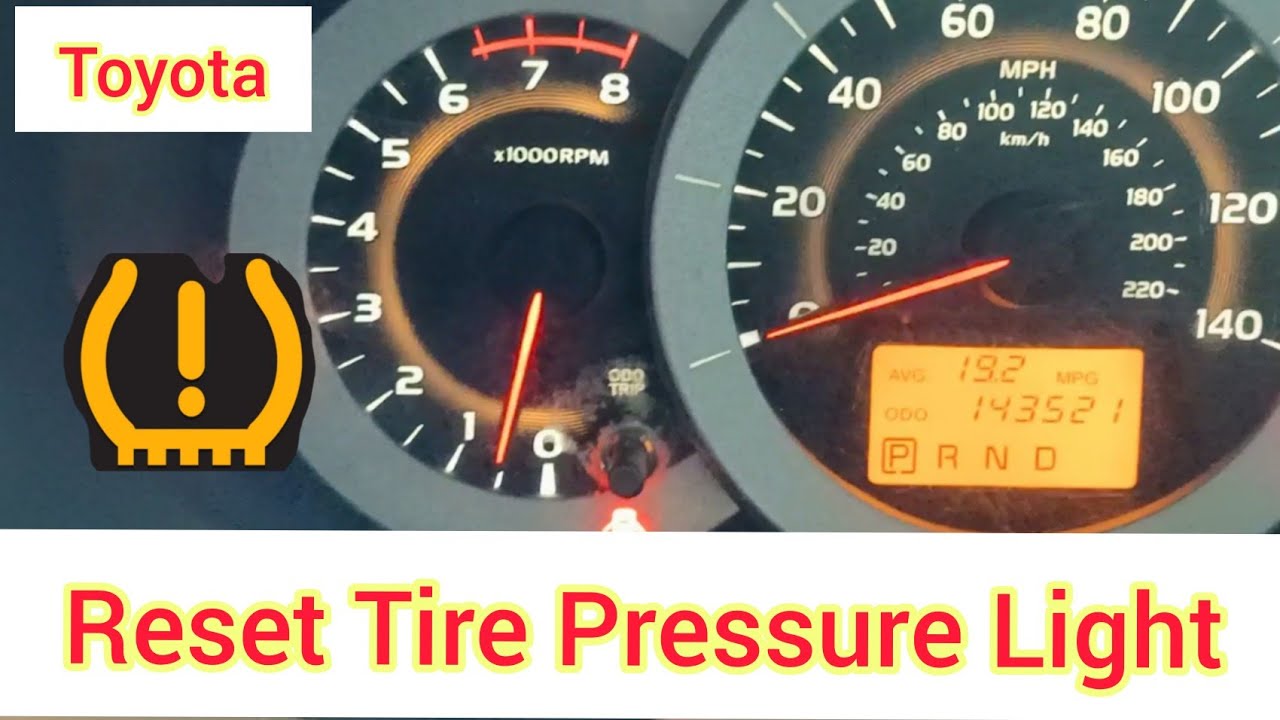
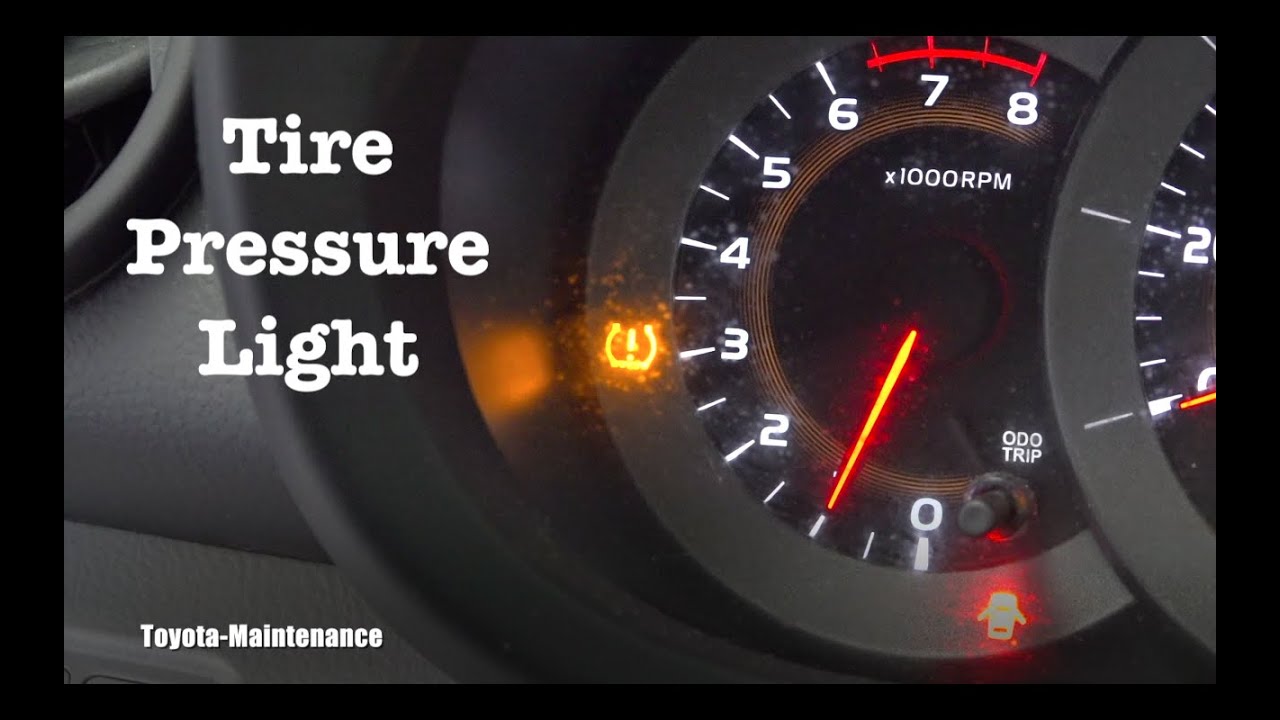
A blinking tire pressure warning light is different from a steady light. While a steady light means at least one tire is low, a blinking tire pressure light often points to a problem with the system itself, not just low air.
How Tpms Works
The Toyota RAV4 uses direct TPMS, which means each wheel has a small sensor inside the tire. This sensor measures air pressure and sends the information to the car’s computer. If the pressure drops below a certain level, the light comes on. If the system detects a problem with the sensor or its communication, the light blinks.
Why The Tpms Matters
Driving with low tire pressure increases the risk of accidents, reduces fuel efficiency, and causes faster tire wear. The TPMS helps you avoid these problems, but only if you understand what its warnings mean. Ignoring a blinking light can be a costly mistake.
Four Main Causes Of A Blinking Tire Pressure Light
When your Toyota RAV4 tire pressure light is blinking, it’s not just telling you to add air. It’s signaling a possible fault with the system. Let’s break down the four main causes, each covered in its own section for clarity.
1. Sensor Battery Failure
Each tire’s TPMS sensor has a built-in battery. These batteries aren’t replaceable; when they die, the whole sensor must be replaced. Most sensor batteries last 5 to 10 years, but factors like extreme temperature or frequent use can shorten their life.
Signs Of Sensor Battery Failure
- The tire pressure light blinks for about 60-90 seconds after you start the car, then stays solid.
- You may notice the system works for some tires, but not all.
- No obvious tire damage or loss of air, but the warning persists.
What To Do
If you suspect a sensor battery failure:
- Check all tires for proper inflation with a manual gauge.
- Visit a Toyota dealer or trusted tire shop. They can use a scan tool to test each sensor.
- Replace the dead sensor(s). It’s common to replace all four if they’re the same age.
Non-obvious Insight
Many drivers don’t realize that changing tires or rotating them doesn’t reset the sensor batteries. They continue to age, even if you don’t drive often.
2. Sensor Damage Or Malfunction
TPMS sensors are electronic devices inside your wheels. They can be damaged by potholes, curbs, or during tire changes. Sometimes, sensors just fail because of water, corrosion, or manufacturing defects.
Common Causes Of Damage
- Hitting a pothole or curb hard enough to bend the wheel.
- Careless handling during tire installation.
- Off-road driving or exposure to harsh chemicals.
How To Identify Sensor Damage
- The blinking light comes on after specific events, like hitting a bump or after a recent tire service.
- The tire shop tells you a sensor isn’t responding to their scan tool.
- You see a “TPMS malfunction” or similar message on the dashboard.
What To Do
- Return to the place where your tires were recently serviced.
- Ask for a TPMS check.
- Replace damaged sensors as needed.
Non-obvious Insight
TPMS sensors can sometimes be damaged by using the wrong tire sealant in a flat. Always check your sealant’s compatibility.
3. Tpms System Communication Error
The TPMS needs to “talk” to your car’s computer. Sometimes, this communication breaks down. This might happen after a battery change, if you install aftermarket wheels, or if electronic interference is present.
Typical Triggers
- Replacing your car battery without following the correct procedure.
- Installing wheels or sensors not designed for Toyota.
- Faults in the wiring or computer systems.
How To Spot Communication Errors
- The blinking light appears after electrical work on your car.
- The system cannot recognize one or more sensors, even if they are new.
What To Do
- Use a scan tool to check for TPMS error codes.
- Try resetting the TPMS (see instructions below).
- If the problem continues, a Toyota dealer may need to reprogram the system or repair wiring.
Non-obvious Insight
Some RAV4 models can only “remember” a certain number of sensor codes. If you use multiple sets of wheels (like winter and summer), make sure your TPMS is programmed correctly for each set.
4. Recently Replaced Or Rotated Tires
If you’ve just changed or rotated your tires, the TPMS may need to relearn the new positions. If this step is skipped, the system may get confused and trigger the blinking light.
What Happens During Tire Rotation
- The sensors move to different corners of the car.
- The system expects each sensor in a certain spot.
- If not reset, the car thinks the sensors are missing or faulty.
When This Is Most Likely
- After visiting a shop that doesn’t specialize in TPMS.
- When swapping to seasonal tires without proper programming.
What To Do
- Ask the shop to reset or retrain the TPMS.
- In some cases, you can do this yourself (see the step-by-step guide below).
- Make sure all sensors are compatible with your RAV4.
Non-obvious Insight
DIY tire rotation at home? The TPMS may not automatically recognize the new positions. Check your manual for reset steps, or visit a dealer.
What To Do When The Tire Pressure Light Blinks
Seeing the blinking TPMS light can be stressful. Here’s a step-by-step approach to handle it with confidence.
1. Check Tire Pressures Manually
Even if the blinking light means a system problem, check all four tires with a reliable gauge. Don’t trust the sensors alone.
2. Inspect Tires For Damage
Look for nails, cuts, or sidewall bulges. A damaged tire can be dangerous, even if the pressure isn’t low.
3. Drive For A Few Miles
Sometimes, the light resets after a short drive if the pressure was recently corrected.
4. Restart The Vehicle
Turn the car off and on again. Occasional electronic glitches can clear themselves.
5. Reset The Tpms
Follow your RAV4’s manual for the reset button location and steps. Usually, it involves holding the button for a few seconds with the car in “ON” mode.
6. Visit A Professional
If the light keeps blinking, go to a Toyota dealer or tire shop for a system scan.
Comparison: Blinking Vs. Solid Tire Pressure Light
Here’s a quick reference to help you understand the difference.
| Status | Meaning | Action Needed |
|---|---|---|
| Blinking Light | System malfunction (sensor, battery, wiring, or communication issue) | Check sensors, reset system, seek professional help |
| Solid Light | One or more tires have low pressure | Inflate tires to recommended level |
Credit: www.youtube.com
How To Reset The Tpms On A Toyota Rav4
Resetting the system can solve minor glitches, especially after tire changes. Here’s how to do it:
- Turn the ignition to “ON” without starting the engine.
- Locate the TPMS reset button (usually under the steering wheel).
- Press and hold the button until the tire pressure light blinks three times, then release.
- Start the car and drive at least 10-20 minutes above 25 mph.
- If the light does not turn off, further diagnosis is needed.
Tip: If you can’t find the button, check your owner’s manual. Not all RAV4 years have it in the same spot.
Preventing Tpms Problems
While some issues are out of your hands, you can avoid many TPMS headaches with good habits.
- Check tire pressure monthly, not just when the light comes on.
- Use a reputable shop for tire changes or rotations.
- Tell the shop if your car has TPMS so they handle sensors carefully.
- Avoid using tire sealants that damage sensors.
- Replace all sensors if one fails and they’re the same age.
Real-world Example: 2020 Toyota Rav4 Owner Experience
Maria, a 2020 RAV4 Hybrid owner, noticed her tire pressure light started blinking after a tire rotation at a local shop. The mechanic forgot to reset the TPMS system. The blinking light didn’t stop even after checking all tires. Maria returned, and the shop used a scan tool to retrain the sensors.
The light stopped blinking, and the system worked normally again.
Lesson: Even professionals sometimes forget about TPMS resets. Always double-check after service.
Data Table: Common Tpms Sensor Lifespans By Brand
Different brands of sensors have different average lifespans. Here’s a look:
| Brand | Average Lifespan | Warranty |
|---|---|---|
| Toyota (OEM) | 7-10 years | 5 years/60,000 miles |
| Aftermarket (Denso, Schrader) | 5-7 years | 2-3 years |
| Low-cost Generics | 2-5 years | 1 year |
When To Seek Professional Help
If you’ve checked your tires, tried resetting the system, and the light still blinks, it’s time for a technician. Ignoring a TPMS malfunction means you won’t know if your tires are dangerously low. This can lead to blowouts or poor handling.
A professional has tools to:
- Read error codes from your RAV4.
- Test each sensor’s signal and battery.
- Reprogram or replace faulty components.
Cost Comparison: Tpms Sensor Replacement
Wondering about the price? Here’s a quick comparison:
| Service | Typical Cost (per sensor) | Notes |
|---|---|---|
| Toyota Dealer Replacement | $120–$180 | Includes programming |
| Independent Tire Shop | $60–$120 | May use aftermarket sensors |
| DIY (if equipped) | $40–$80 | Programming tool required |
Remember, using the wrong sensor or skipping programming can keep the light blinking.
Credit: www.youtube.com
Common Mistakes When Dealing With The Blinking Light
- Ignoring the light: Even if the tires look fine, don’t ignore a blinking warning.
- Relying on visual checks: Tires can be underinflated and still look normal.
- Using incompatible sensors: Not all aftermarket sensors work with Toyota systems.
- Skipping professional help: Some problems require special tools to fix.
- Not resetting after service: Always confirm the TPMS is reset after any tire work.
The Bigger Picture: Why Tpms Matters For Safety
According to the National Highway Traffic Safety Administration (NHTSA), underinflated tires are three times more likely to cause a crash. TPMS reduces these risks, but only when it works properly. A blinking light means you may be driving without full protection.
For more details about TPMS systems, you can check the NHTSA official page.

Credit: www.toyotaofclermont.com
Frequently Asked Questions
Why Does My Toyota Rav4 Tire Pressure Light Blink After Starting The Car?
A blinking tire pressure light usually means the TPMS system has a malfunction, not just low air. It can be caused by a dead sensor battery, a damaged sensor, or a communication error in the system.
Can I Drive My Rav4 With The Tire Pressure Light Blinking?
You can drive short distances, but you should fix the problem as soon as possible. When the light blinks, the system can’t warn you if a tire loses air, which is dangerous.
How Do I Know If A Tpms Sensor Needs To Be Replaced?
If the light blinks and stays on, and you’ve checked your tires are properly inflated, a sensor may be dead or broken. A shop with a scan tool can confirm which sensor is bad.
Will Tire Rotation Cause The Tpms Light To Blink?
Yes, if the system isn’t reset after rotating the tires, the TPMS can get confused and blink. Always ask for a TPMS reset when having tires rotated.
How Much Does It Cost To Fix A Blinking Tpms Light?
Costs range from $60 to $180 per sensor, depending on whether you use a dealer or independent shop. Sometimes, a simple reset is free, but a full system diagnosis may add extra fees.
Conclusion
Getting to know your Toyota RAV4’s tire pressure warning light will help you stay safe on the road. Don’t ignore a blinking light—find the cause and fix it quickly. With the right approach, you can keep your RAV4 running smoothly and avoid bigger repair bills.