
Seeing a blinking check engine light in your Hyundai can feel stressful. For many drivers, it’s one of the most alarming signs your car can show. You might wonder: Is my engine about to fail? Can I still drive safely? What should I do next? This article will guide you through everything you need to know about the blinking check engine light in Hyundai vehicles. You’ll learn what causes it, what actions to take, how to diagnose issues, and how to avoid common mistakes. By the end, you’ll feel confident knowing what your Hyundai is telling you and how to respond.
Why Does The Check Engine Light Blink?
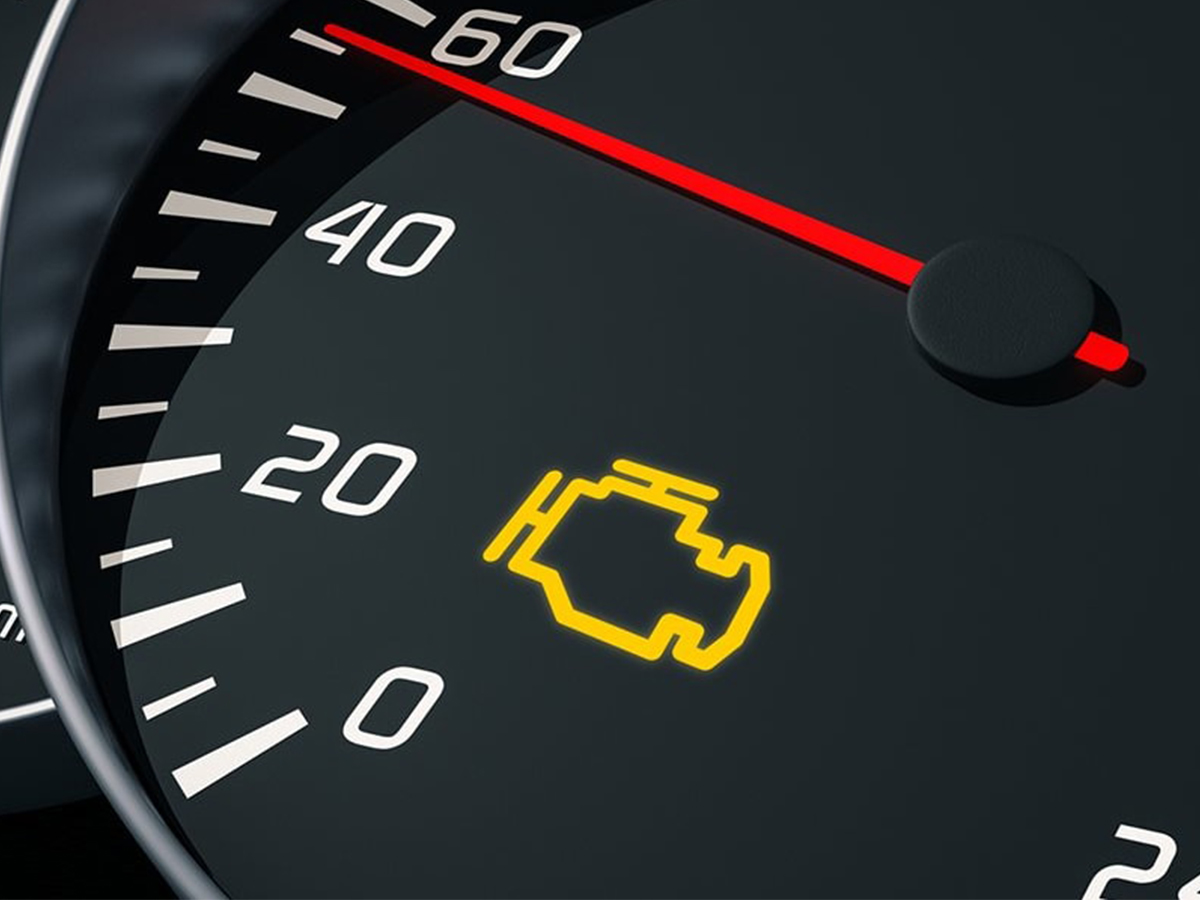
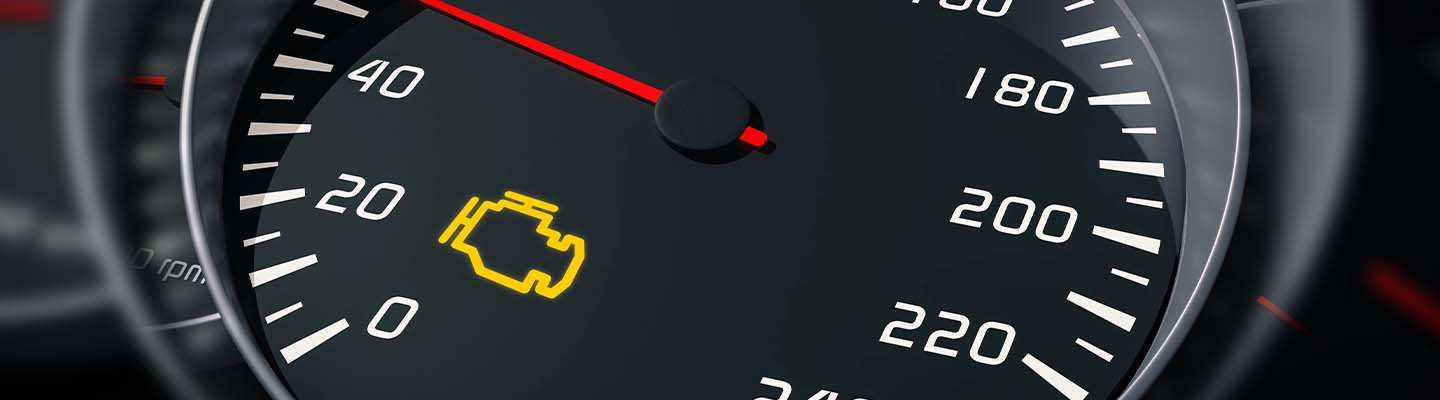
A blinking check engine light is not just a warning—it’s an urgent signal. Unlike a steady check engine light, which suggests a less critical issue, the blinking version means something serious is happening, usually related to engine misfire. Hyundai, like most automakers, uses this light to tell you there’s a risk of damage, especially to your catalytic converter.
When the engine misfires, raw fuel can enter the exhaust system. This can quickly overheat the catalytic converter, causing expensive damage. The blinking light means you should stop driving and fix the issue as soon as possible.
Common Causes Of Blinking Check Engine Light In Hyundai
Several problems can trigger the blinking check engine light. Here are the most frequent causes in Hyundai models:
1. Ignition System Faults
Faulty spark plugs, coils, or wires can cause the engine to misfire.
2. Fuel System Issues
Problems with fuel injectors, fuel pumps, or filters can make the engine run rough.
3. Engine Mechanical Problems
Issues like worn valves, pistons, or timing belts might lead to misfires.
4. Sensor Failures
Malfunctioning sensors (like the oxygen or crankshaft sensor) send bad data to the engine computer.
5. Vacuum Leaks
A leak in the intake system can upset the air/fuel balance, causing misfires.
6. Catalytic Converter Damage
A failing converter may trigger misfires and make the check engine light blink.
7. Wiring Or Connector Problems
Loose or corroded connectors can disrupt engine control signals.
Hyundai vehicles, especially popular models like the Elantra, Sonata, and Santa Fe, commonly experience ignition and fuel system issues. According to Hyundai service data, over 50% of blinking check engine light cases are caused by spark plug or coil faults.
What To Do When Your Hyundai’s Check Engine Light Blinks
If your Hyundai’s check engine light starts blinking, follow these steps immediately:
1. Reduce Speed And Load
Slow down and avoid hard acceleration. High engine loads can worsen the issue.
2. Find A Safe Place To Stop
Pull over as soon as you safely can. Driving further risks engine or catalytic converter damage.
3. Turn Off The Engine
Allow the engine to cool and prevent more damage.
4. Check For Obvious Signs
Look for smoke, strange noises, or smells. These can help identify the problem.
5. Avoid Restarting The Car
Unless you must move for safety, keep the engine off until you know what’s wrong.
6. Arrange For Towing
If you can’t identify or fix the issue, tow the vehicle to a mechanic. Driving with a blinking check engine light can cost you thousands in repairs.
Many Hyundai drivers make the mistake of ignoring a blinking check engine light and continue driving. This often leads to catalytic converter failure, which can cost between $1,000 and $2,500 to replace.
Diagnosing The Blinking Check Engine Light
Diagnosing the cause of a blinking check engine light in your Hyundai requires a careful approach. Here are the steps:
Step 1: Scan For Error Codes
Use an OBD-II scanner to read the error codes from your car’s computer. Most auto parts stores offer free scans. Common codes for Hyundai misfires include:
- P0300 (Random/Multiple Cylinder Misfire)
- P0301–P0304 (Misfire in specific cylinders)
- P0171 (System Too Lean)
- P0420 (Catalytic Converter Efficiency Below Threshold)
Step 2: Inspect The Ignition System
Check the spark plugs, ignition coils, and wires for wear, damage, or corrosion. Replace any parts that look suspect.
Step 3: Examine The Fuel System
Look for clogged fuel filters or malfunctioning injectors. A fuel pressure test can reveal pump issues.
Step 4: Check Sensors And Wiring
Inspect connectors and wires for looseness or corrosion. Test sensors with a multimeter if you have the skill.
Step 5: Look For Vacuum Leaks
Spray carb cleaner around intake areas while the engine idles. If the idle changes, you might have a leak.
Step 6: Assess Engine Mechanical Health
If misfires persist, a compression test can reveal deeper engine issues, like worn valves or piston rings.
Non-obvious insight: Many beginners skip checking the battery voltage. Low voltage can affect engine control systems and trigger misfire codes.
Hyundai Models Most Affected
Some Hyundai models are more prone to check engine light issues. The table below shows the top models and their most common causes:
| Hyundai Model | Year Range | Frequent Cause |
|---|---|---|
| Elantra | 2014–2020 | Ignition coil failure |
| Sonata | 2012–2019 | Spark plug wear |
| Santa Fe | 2013–2021 | Fuel injector issues |
| Tucson | 2015–2022 | Vacuum leaks |
| Accent | 2011–2017 | Sensor malfunction |
Repair Costs For Blinking Check Engine Light Issues
The cost to fix the causes of a blinking check engine light in Hyundai vehicles varies widely. Here’s a comparison of typical repair costs:
| Problem | Estimated Cost | Repair Time |
|---|---|---|
| Spark plug replacement | $100–$250 | 30–60 min |
| Ignition coil replacement | $150–$350 | 45–90 min |
| Fuel injector cleaning/replacement | $200–$600 | 1–2 hours |
| Sensor replacement | $80–$400 | 30–90 min |
| Catalytic converter replacement | $1,000–$2,500 | 2–4 hours |
| Vacuum leak repair | $100–$300 | 1–2 hours |
A key insight: Some Hyundai models have ignition coils under warranty for up to 100,000 miles. Check your warranty before paying for repairs.
Preventing Blinking Check Engine Light Problems
Prevention is always better than expensive repairs. Here’s how to avoid blinking check engine light issues in your Hyundai:
1. Follow Hyundai’s Service Schedule
Change spark plugs, filters, and fluids as recommended.
2. Use Quality Parts
Cheap spark plugs and coils often fail early.
3. Check For Recalls
Hyundai has issued recalls for ignition and fuel system problems. Visit the official Hyundai website to check your VIN.
4. Avoid Overloading The Engine
Don’t drive aggressively or overload your car. This stresses the engine and can cause misfires.
5. Inspect For Rodent Damage
Rodents sometimes chew wiring, causing misfires. Look for chewed wires, especially if your car sits unused.
6. Keep Sensors Clean
Dirty sensors can cause false readings. Clean or replace them as part of routine maintenance.
7. Monitor Battery Health
Weak batteries can cause engine control issues, leading to misfires and blinking lights.
Many beginners miss the importance of regularly checking battery terminals for corrosion. Clean terminals help avoid unexpected misfire codes.
Driving With A Blinking Check Engine Light: Risks And Consequences
Ignoring a blinking check engine light can lead to serious problems:
- Catalytic converter failure
Raw fuel overheats the converter, leading to costly repairs.
- Reduced fuel economy
Misfiring engines burn more fuel.
- Loss of power
Your Hyundai may run rough or stall.
- Emission test failure
A blinking light means your car will not pass emissions tests.
- Engine damage
Continued misfires can damage pistons, valves, and other engine parts.
According to AAA, over 30% of cars with blinking check engine lights suffer catalytic converter damage if driven more than 50 miles after the light appears.
Diy Repairs Vs. Professional Help
Some Hyundai owners try to fix blinking check engine light issues themselves. While simple repairs like spark plug replacement are possible for DIYers, more complex issues require a professional mechanic.
When Diy Is Safe
- Replacing spark plugs
- Swapping ignition coils
- Cleaning battery terminals
When To Call A Professional
- Fuel injector replacement
- Sensor diagnosis
- Engine mechanical repairs
- Catalytic converter replacement
A key mistake is not properly torquing spark plugs. Over-tightening can damage the threads, while under-tightening leads to misfires.
Hyundai Check Engine Light: Steady Vs. Blinking
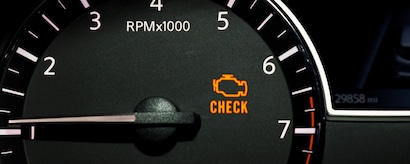
Many drivers confuse the meaning of a steady check engine light with a blinking one. Here’s a quick comparison:
| Light Type | Meaning | Action Needed |
|---|---|---|
| Steady | Minor issue, non-urgent | Schedule service soon |
| Blinking | Severe issue, urgent | Stop driving, seek immediate repair |
Credit: www.autonationhyundainorthrichlandhills.com
Hyundai’s Engine Management System And The Check Engine Light
The engine management system in Hyundai vehicles is designed to protect your engine and emissions system. When it detects a misfire, it triggers the blinking check engine light. This system uses sensors and computers to monitor:
- Ignition timing
- Air/fuel ratio
- Exhaust emissions
- Engine speed
If any reading is outside safe limits, the system warns the driver. This technology is standard in all modern Hyundais.
Hyundai Recalls And Technical Service Bulletins
Hyundai regularly issues recalls and technical service bulletins (TSBs) for problems that can cause blinking check engine lights. For example, a 2017 Hyundai Sonata recall addressed ignition coil failures that caused misfires.
To check for recalls or TSBs for your Hyundai:
- Visit the official Hyundai recall site.
- Enter your VIN (vehicle identification number).
- Review repair options with your dealer.
Sometimes, repairs are covered free of charge if your issue is part of a recall.
How To Communicate With Your Mechanic
When you visit a mechanic, clear communication helps ensure correct diagnosis and repair. Here’s what to say:
- Describe the blinking check engine light
Mention if it started during acceleration or idling.
- Share error codes
Bring results from any OBD-II scans.
- Mention recent repairs
Tell the mechanic about any parts replaced recently.
- Explain driving symptoms
Note any loss of power, rough running, smells, or noises.
Mechanics can quickly identify misfire causes if you provide detailed information. This saves time and money.
Hyundai Owner Experiences
Many Hyundai owners share stories about their blinking check engine light problems. For example, a 2018 Hyundai Elantra owner reported that the light started blinking after the car stalled at a stoplight. A scan showed a P0302 code (cylinder 2 misfire), and a new ignition coil fixed the issue.
Another Santa Fe owner had a blinking light after filling up with low-quality fuel. The mechanic recommended fuel injector cleaning, and the problem was solved.
Credit: www.suntruphyundaisouth.com
Blinking Check Engine Light In Hybrid And Electric Hyundais
Most Hyundai hybrids and electric vehicles have check engine lights, but the causes can differ:
- Hybrids:
Blinking lights often mean engine misfires, just like gasoline models. Battery or hybrid system faults can also trigger warnings.
- Electric vehicles:
These usually don’t have engine misfire issues, but a blinking warning light can mean electrical faults or inverter problems.
Always consult your owner’s manual for specific meanings in hybrid and electric Hyundais.
How Weather And Driving Conditions Affect The Check Engine Light
Extreme weather can play a role in triggering the blinking check engine light. Cold weather may cause battery voltage to drop, leading to misfire codes. Hot weather can stress ignition components.
Driving in heavy rain or through puddles may cause water to enter ignition systems. This is a common cause in Hyundai models with exposed spark plugs or coils.
Using Hyundai’s Blue Link And Mobile Apps
Newer Hyundai models offer Blue Link and other apps that can send alerts about check engine light issues. You can:
- Get notifications about engine problems
- Schedule service from your phone
- Access error codes and maintenance reminders
These tools make it easier to respond quickly to engine problems.
What Not To Do When Your Check Engine Light Blinks
Avoid these common mistakes:
- Ignoring the light
Driving with a blinking check engine light can cause major damage.
- Clearing codes without fixing the issue
Some drivers erase codes hoping the light will disappear. This hides the problem but doesn’t fix it.
- Using cheap replacement parts
Low-quality spark plugs or coils can cause more misfires.
- Delaying repairs
Waiting can turn a $100 fix into a $2,000 repair.
Credit: www.hyundaioffortmyers.com
Environmental Impact Of Driving With A Blinking Check Engine Light
A misfiring engine releases extra pollutants into the air. The blinking light means your Hyundai is emitting more carbon monoxide, hydrocarbons, and nitrogen oxides. This harms the environment and can cause your car to fail emissions tests.
According to the EPA, a misfiring engine can increase emissions by up to 50%. Repairing your Hyundai quickly helps protect the environment.
When To Sell Or Trade-in Your Hyundai
If your Hyundai has frequent blinking check engine light issues, it might be time to consider selling or trading in the vehicle. Chronic misfire problems can lower resale value. Dealers often check for active warning lights, so fixing issues before selling is smart.
Frequently Asked Questions
Why Is My Hyundai’s Check Engine Light Blinking Instead Of Steady?
A blinking check engine light means your engine has a severe problem—usually a misfire. This is urgent because it can damage the catalytic converter. A steady light signals a minor issue. Always stop driving and get immediate help when the light blinks.
Can I Drive My Hyundai With A Blinking Check Engine Light?
It’s not safe to drive with a blinking check engine light. Doing so risks expensive damage to the engine and catalytic converter. Pull over, turn off the engine, and arrange for professional repair.
How Much Does It Cost To Fix A Blinking Check Engine Light In A Hyundai?
Costs vary by problem. Simple fixes like spark plug replacement cost $100–$250. Ignition coil repairs run $150–$350. If the catalytic converter is damaged, repairs can reach $2,500. Always diagnose the issue before estimating repair costs.
Will A Blinking Check Engine Light Go Away On Its Own?
No, a blinking check engine light will not go away unless the cause is fixed. Even if the light stops blinking, the problem may remain. Use an OBD-II scanner or visit a mechanic to identify and repair the issue.
Where Can I Check Hyundai Recalls For Check Engine Light Issues?
You can check for recalls on Hyundai’s official recall site or through the National Highway Traffic Safety Administration (NHTSA). Enter your VIN to see if your vehicle is affected. For more information, visit NHTSA.gov
Conclusion.
Taking action when you see a blinking check engine light in your Hyundai protects your vehicle, your wallet, and the environment. With the right knowledge and quick response, you can avoid major repairs and keep your car running smoothly for years.