
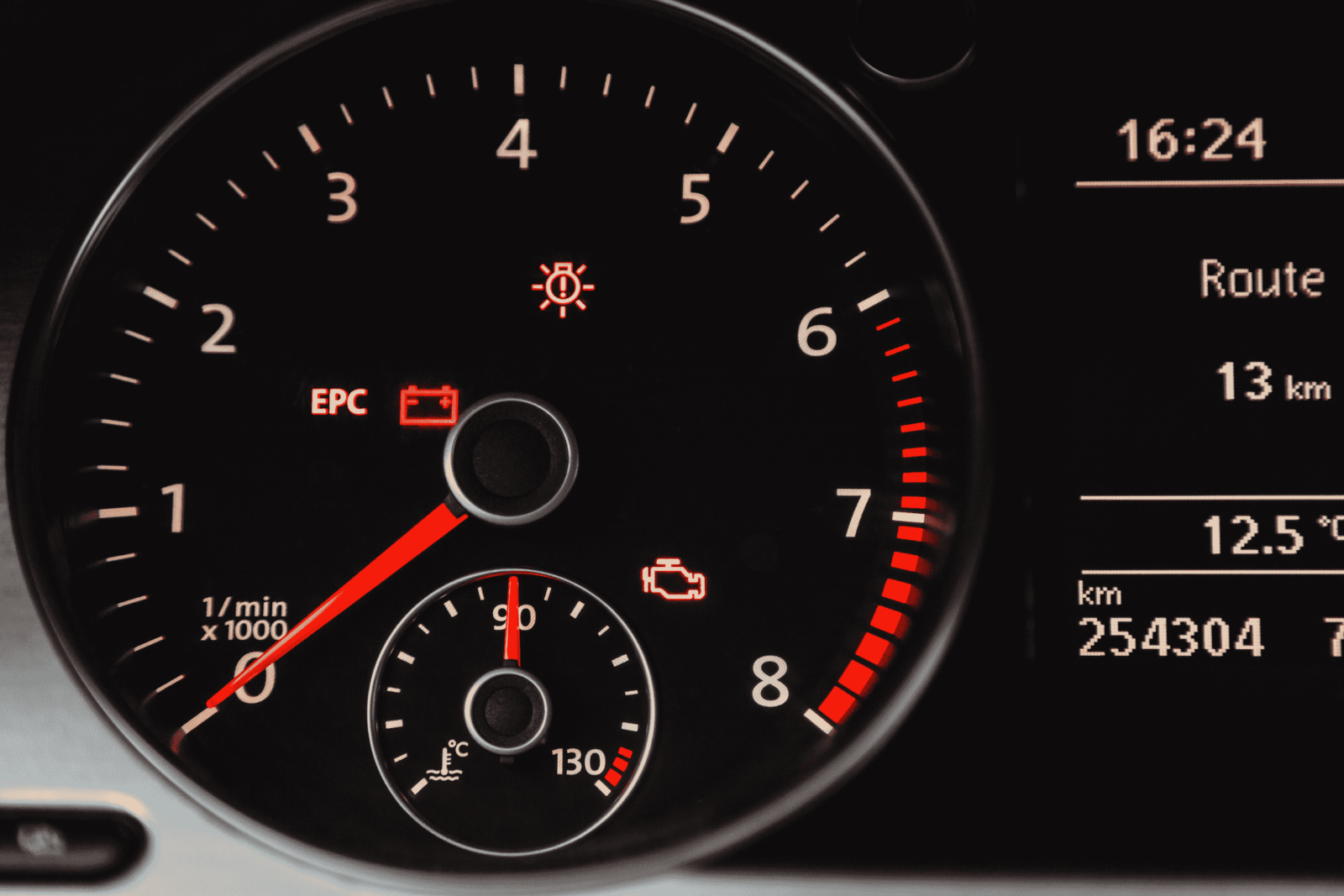
When you see the engine light blinking on your Volkswagen, it’s easy to feel worried. Many drivers know the check engine light means something is wrong, but a blinking light is different from a steady one. It’s not just a warning—it’s a sign of a serious issue that needs quick attention. Ignoring it could damage your engine or lead to expensive repairs. In this article, you’ll learn what causes your Volkswagen’s engine light to blink, how to react, what repairs might cost, and practical steps to prevent future problems. Whether you drive a Jetta, Passat, Golf, Tiguan, or another Volkswagen, you’ll find clear advice, real examples, and non-obvious tips that most new car owners miss.
What Does A Blinking Engine Light Mean?
The engine light, sometimes called the malfunction indicator lamp (MIL) or check engine light, shows up on your dashboard when the car’s computer detects a problem. A solid light means a minor issue or something that’s not urgent. But a blinking or flashing engine light is an emergency signal from your car’s engine control unit (ECU).
When the engine light blinks, it usually means the engine is misfiring. Misfiring happens when the fuel in one or more cylinders doesn’t burn properly. This can cause raw fuel to enter the exhaust, damage the catalytic converter, and even harm the engine. In most Volkswagens, the blinking light is a built-in warning: keep driving, and you risk serious, often expensive, damage.
How Your Volkswagen Detects Problems
Volkswagen cars use a diagnostic system called OBD-II (On-Board Diagnostics II). This system constantly checks sensors throughout the engine, exhaust, and fuel systems. When it finds a problem, it stores a “trouble code” and turns on the engine light. If the problem is severe, such as a misfire that could damage the catalytic converter, the light blinks.
Common Causes Of A Blinking Engine Light In Volkswagens
Several issues can trigger a blinking engine light in your Volkswagen. Some are simple to fix; others need a mechanic’s help. Below are the most frequent causes, with real-world examples and advice for each.
1. Ignition System Problems
A failing spark plug, bad ignition coil, or faulty spark plug wire can cause misfires. For example, if your 2017 Volkswagen Jetta suddenly loses power and the engine light blinks, a bad spark plug may be the reason. Spark plugs ignite the fuel-air mixture in the engine. When they fail, combustion becomes uneven, causing the misfire.
Tip: Volkswagens are sensitive to spark plug type. Using cheap, non-OEM plugs may trigger issues that other cars tolerate.
2. Fuel System Issues
Problems like a clogged fuel injector, weak fuel pump, or dirty fuel filter can cause the engine to run lean (not enough fuel) or rich (too much fuel). Either condition can trigger misfires and a blinking light. For example, a 2018 Golf with a clogged injector may stutter under acceleration and show a flashing engine light.
3. Engine Mechanical Faults
Serious problems like a blown head gasket, worn piston rings, or broken timing belt can trigger misfires. These are less common but far more expensive to repair. For example, a timing belt failure in a 2014 Passat can cause severe engine damage and a blinking light.
4. Sensor Failures
Modern Volkswagens rely on sensors like the crankshaft position sensor, camshaft sensor, and mass airflow sensor. If any of these fail or send bad data, the engine may misfire and the light will blink. For example, a failing camshaft sensor in a 2016 Tiguan may cause rough idling and a flashing check engine light.
5. Catalytic Converter Problems
If unburned fuel reaches the catalytic converter, it can overheat and fail. The engine light blinks to warn you. Replacing a catalytic converter is costly, so it’s vital to address the issue quickly.
6. Vacuum Leaks
A vacuum leak from a cracked hose or gasket lets extra air into the engine, upsetting the fuel-air mix. This can cause rough running and misfires. For example, a Golf with a damaged intake hose may idle poorly and show a blinking light.
7. Egr Or Pcv Valve Malfunctions
The Exhaust Gas Recirculation (EGR) valve or Positive Crankcase Ventilation (PCV) valve controls engine gases. If either fails, it can cause misfires and trigger the engine light.
What To Do When Your Volkswagen Engine Light Blinks
If you see a blinking engine light, stop driving as soon as it’s safe. Continuing to drive may cause severe damage. Here’s a practical step-by-step guide:
- Pull Over Safely: As soon as you notice the blinking, find a safe spot and stop the car.
- Turn Off the Engine: This helps prevent further damage.
- Check for Obvious Issues: Open the hood and look for loose or damaged parts—spark plug wires, hoses, or leaks.
- Listen and Smell: Odd noises, shaking, or a burning smell may signal more serious problems.
- Restart Only If Necessary: If you must move the car to safety, restart and drive gently. Avoid high speeds or heavy acceleration.
- Call for Help: Contact roadside assistance or a trusted mechanic. Do not ignore the problem.
Non-obvious insight: Many drivers think a blinking light means only to check the engine soon. In reality, every minute you keep driving increases the risk of catalytic converter failure, which can cost over $1,200 to fix.
Diagnosing The Problem: Diy And Professional Tools
Using An Obd-ii Scanner
If you own an OBD-II scanner, you can plug it into the port under your dashboard. The scanner will show a trouble code (like P0302, which means “Cylinder 2 Misfire”). This code helps narrow down the problem.
Table: Common Volkswagen Misfire Codes And Their Meaning
| Code | Meaning | Possible Cause |
|---|---|---|
| P0300 | Random/Multiple Misfire | Spark plugs, ignition coil, fuel issues |
| P0301 | Cylinder 1 Misfire | Bad spark plug, injector, compression |
| P0302 | Cylinder 2 Misfire | Ignition coil, spark plug, wiring |
| P0304 | Cylinder 4 Misfire | Fuel injector, plug, coil |
| P0171 | System Too Lean | Vacuum leak, fuel pump, sensor |
Tip: If you don’t have a scanner, many auto parts stores will check the code for free.
When To Call A Mechanic
Some issues—like replacing a spark plug—are simple DIY jobs for handy owners. But many causes of a blinking engine light need special tools or skills. If you’re not sure, it’s safer (and often cheaper) to call a professional.

Credit: www.reddit.com
Repair Costs For Common Volkswagen Engine Light Issues
Volkswagens are known for quality, but their repairs can be more expensive than some brands. Knowing typical costs can help you plan.
Table: Typical Repair Costs For A Blinking Engine Light
| Problem | Estimated Cost (Parts & Labor) | Repair Time |
|---|---|---|
| Spark Plug Replacement | $120–$240 | 1–2 hours |
| Ignition Coil Replacement | $180–$350 | 1–2 hours |
| Fuel Injector Cleaning/Replacement | $150–$600 | 2–3 hours |
| Catalytic Converter Replacement | $1,200–$2,200 | 3–5 hours |
| Vacuum Leak Repair | $100–$250 | 1–3 hours |
Non-obvious insight: Many Volkswagen owners delay small repairs (like spark plugs) to save money, not realizing that a $150 fix now can prevent a $2,000 catalytic converter replacement later.
Volkswagen-specific Issues That Trigger A Blinking Engine Light
While all cars can experience misfires, some Volkswagen models have unique weak points. Understanding these can help you spot and fix problems faster.
Coil Pack Failures
Volkswagen 1.8T and 2.0T engines, especially in models like the Jetta and Passat, are known for ignition coil pack failures. If your engine feels rough, power drops, and the engine light blinks, suspect the coil packs.
High-pressure Fuel Pump (hpfp) Issues
Direct-injection Volkswagens (like the Golf GTI) use a high-pressure fuel pump. If this pump fails, the engine may misfire. Symptoms include hesitation, poor acceleration, and a blinking engine light.
Carbon Build-up
Some TSI and FSI engines are prone to carbon build-up on intake valves. This can cause rough running, misfires, and a blinking light. Cleaning the valves is a specialized job and can be costly.
Timing Chain Tensioner Failures
Certain VW engines (like the 2.0 TSI) have timing chain tensioner problems. If the chain jumps, it causes severe misfires and engine damage. If your engine rattles at startup and the light blinks, stop driving and call for a tow.

Credit: hometowneautorepairandtireofwoodbridge.com
How To Prevent Engine Light Blinking In Your Volkswagen
Prevention saves money and stress. Here’s how to reduce the risk of seeing that blinking light.
- Follow Maintenance Schedules: Use your owner’s manual to change spark plugs, filters, and fluids on time.
- Use Quality Parts: Always use OEM or approved parts. Cheap plugs, coils, or sensors often cause more problems.
- Fuel Quality Matters: Use the fuel grade recommended by Volkswagen. Lower-quality gas can cause misfires.
- Address Small Problems Early: If your engine runs rough or hesitates, get it checked before the light blinks.
- Regular Scans: Some shops offer free annual OBD-II scans during oil changes.
- Clean Intake Valves (for DI engines): If your model is known for carbon build-up, consider cleaning every 40,000–60,000 miles.
Practical tip: If you often drive short trips, the engine may not reach full temperature. This can cause moisture and carbon to build up. Take your car on a longer highway drive once a month to help keep the engine clean.
What Happens If You Ignore A Blinking Engine Light?
Many drivers hope the problem will “go away. ” With a solid engine light, that’s sometimes true. But with a blinking light, ignoring it almost always makes things worse.
- Catalytic Converter Damage: Raw fuel overheats the converter, often ruining it.
- Engine Damage: Severe misfires can harm pistons, valves, and gaskets.
- Lower Fuel Economy: A misfiring engine burns more fuel.
- Failed Emissions Test: You won’t pass state inspections with a blinking light.
- Breakdown Risk: The car may lose power or stall at the worst time.
Real example: A 2015 Volkswagen Golf owner ignored a blinking engine light for two weeks. The misfire destroyed the catalytic converter and damaged a piston. The total repair bill was over $3,000, compared to $180 for a new ignition coil.
Myths And Misunderstandings About The Engine Light
“it’s Just An Emissions Thing”
Some believe the light is only about emissions and not serious. While some codes are minor, a blinking light always means risk of damage.
“it’s Safe If The Car Still Drives”
Your car may run with a blinking light, but you’re risking major repairs. The car’s computer is telling you something urgent is wrong.
“disconnecting The Battery Will Fix It”
Disconnecting the battery may reset the light, but it doesn’t solve the problem. The issue will return, often worse than before.
“any Mechanic Can Fix It”
Volkswagens often need special diagnostic tools and knowledge. Choose a mechanic with Volkswagen experience, or visit a dealer for complex issues.
When To Visit The Dealership Vs. Independent Shops
Volkswagen dealerships have the latest tools and access to technical updates. However, labor rates are usually higher. Independent shops with Volkswagen experience can often do the same repair for less.
Table: Dealership Vs. Independent Shop Comparison
| Factor | Dealership | Independent Shop |
|---|---|---|
| Diagnostic Tools | Factory-level | Varies (some have VW tools) |
| Labor Cost | High ($150+/hr) | Moderate ($80–$120/hr) |
| Parts Quality | OEM only | OEM or aftermarket |
| Warranty Repairs | Yes | No (usually) |
| Knowledge of VW Issues | Expert | Good if VW-specialized |
Non-obvious tip: Always ask if the shop has experience with Volkswagens and the specific engine in your car. Some engines have unique repair needs.
Credit: www.dependablecarcare.com
Real-world Scenarios: Volkswagen Engine Light Blinking
Scenario 1: 2016 Volkswagen Passat
A driver notices the engine light blinking and the car shaking at idle. The OBD-II scanner shows code P0301 (Cylinder 1 Misfire). The shop replaces the ignition coil for $200, and the problem is fixed.
Scenario 2: 2014 Golf Tsi
After a cold start, the engine light blinks and the engine sounds rough. The mechanic finds a vacuum leak and replaces a cracked hose for $140. The issue doesn’t return.
Scenario 3: 2018 Tiguan
Sudden blinking light and engine hesitation. Diagnosis: bad fuel injector. Repair cost: $450. The owner learns the importance of using quality fuel and regular maintenance.
Frequently Asked Questions
Why Is My Volkswagen Engine Light Blinking But The Car Drives Fine?
Even if the car seems to drive okay, a blinking engine light means there’s a misfire or serious problem. The risk is hidden damage to the catalytic converter or other engine parts. Drive gently and get the car checked as soon as possible.
Can I Drive Home With A Blinking Engine Light?
It’s best to stop and call for help. Driving with a blinking engine light can cause expensive damage quickly. If you must move the car, do so slowly and avoid hard acceleration.
How Much Does It Cost To Fix A Blinking Engine Light On A Volkswagen?
Costs vary by the problem. Simple fixes like spark plugs or coils may be $120–$350. Major repairs like catalytic converters can cost $1,200 or more. Early diagnosis saves money.
Will A Blinking Engine Light Go Away On Its Own?
No. A blinking engine light will not fix itself. The underlying issue must be repaired. Ignoring it can make the problem worse and more expensive.
Where Can I Find More Information About Volkswagen Engine Codes?
You can read more about engine codes and what they mean on the Wikipedia OBD-II page.’
Final Thoughts
A blinking engine light is your Volkswagen’s way of shouting for help. Fast action, quality repairs, and regular maintenance keep your car running smoothly and protect your wallet. Don’t ignore the warning—your Volkswagen will thank you with years of reliable service.