
When you blink, your eyelids work like tiny windshield wipers, keeping your eyes clean and comfortable. But what happens when this simple act causes pain in your upper eyelid? For many, this sharp or aching sensation can be worrying. If you feel pain only when blinking, it often means something is irritating the eyelid itself, the inner surface, or the tissues just underneath. While most causes are minor and treatable, sometimes upper eyelid pain signals a more serious eye problem.
Understanding why your upper eyelid hurts when blinking can help you decide if you need home care, a doctor’s visit, or urgent attention. This guide explains the common causes, symptoms to watch for, treatments, and prevention tips. By the end, you’ll be better equipped to protect your eye health and know when to seek expert help.
How The Upper Eyelid Works
Your upper eyelid is more than just a flap of skin. It’s a thin, flexible structure made up of several layers:
- Skin: The outermost layer, very thin and sensitive.
- Muscles: These control blinking and eye closure.
- Tarsal plate: A firm strip that gives shape.
- Meibomian glands: Tiny oil glands that help prevent tears from evaporating.
- Conjunctiva: A clear membrane lining the inside of the lid.
Each part plays a role in keeping the eye moist and protected. When you blink, your upper eyelid spreads tears over the surface, removes dust, and blocks bright light or objects. Because so many tissues are involved, pain can come from injury, infection, dryness, or even problems deeper in the eye socket.
Common Causes Of Upper Eyelid Pain When Blinking
Many things can make your upper eyelid hurt during blinking. Some are harmless, while others need medical care. Here are the most common causes:
1. Stye (hordeolum)
A stye is a red, painful lump usually found near the edge of the eyelid. It happens when bacteria infect an oil gland or eyelash follicle. Styes are the top reason for eyelid pain that worsens when blinking. They usually look like a pimple and may cause swelling, tenderness, and sometimes pus.
2. Chalazion
A chalazion is a painless or mildly painful bump. It forms when an oil gland gets blocked, but not infected. If it grows large, blinking may cause discomfort due to pressure. Chalazia are more common in people with oily skin or frequent eyelid inflammation.
3. Blepharitis
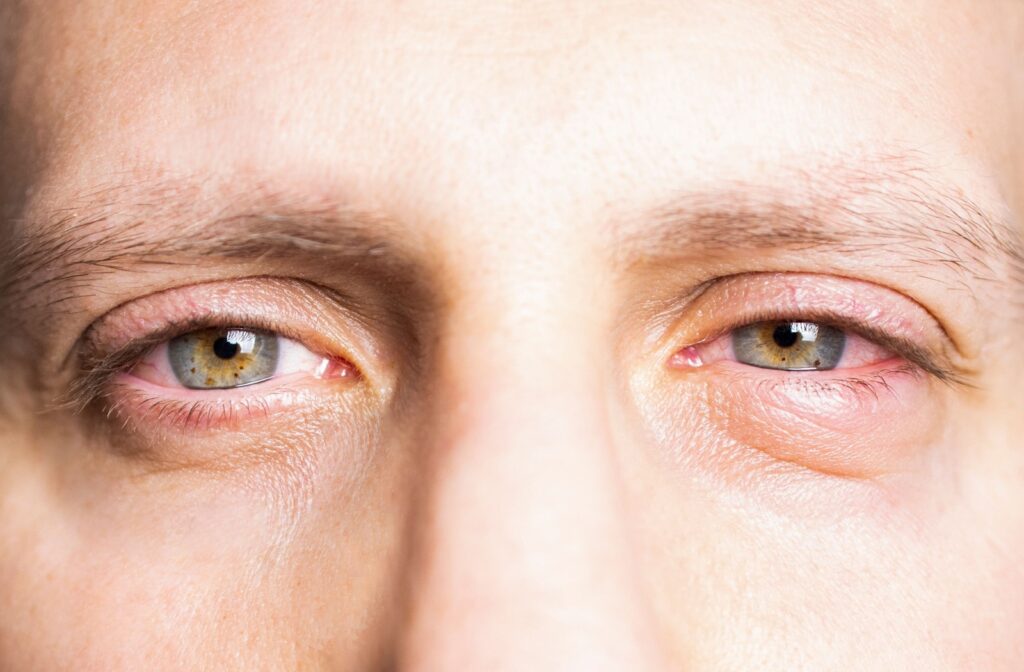
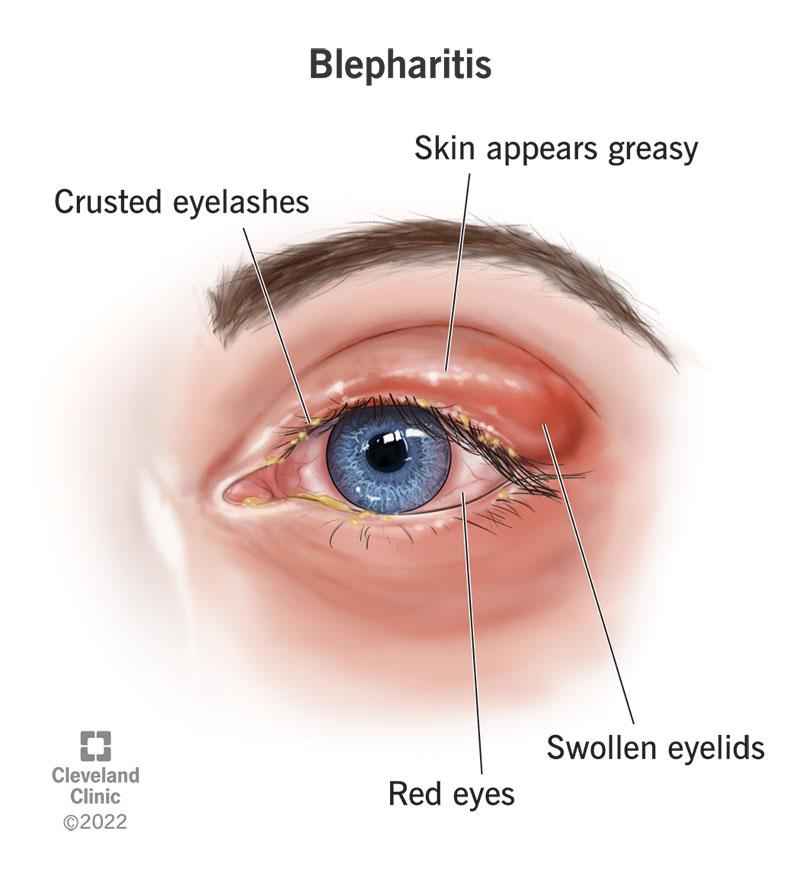
Blepharitis means inflammation of the eyelid edges. It can be caused by bacteria, skin conditions (like dandruff), or blocked glands. Symptoms include redness, itching, burning, and crusty flakes. Blinking often makes the pain worse because the irritated skin rubs against the eye.
4. Conjunctivitis (pink Eye)
This is an infection or allergic reaction of the conjunctiva—the clear tissue lining your eyelid and eye. Redness, watery discharge, and a gritty feeling are common. While pink eye usually causes general eye discomfort, some people notice more pain in the upper eyelid, especially when blinking.
5. Dry Eye Syndrome
When your eyes don’t make enough tears, the surface becomes dry and irritated. This can cause the eyelids to stick or feel sore with each blink. Dry eye is common in people who spend hours on screens, wear contact lenses, or have certain medical conditions.
6. Injury Or Foreign Object
A scratch, poke, or tiny particle (like an eyelash or dust) can get trapped under the upper lid. Every blink then rubs the eyelid against the eye, causing sharp pain. Sometimes, you can’t see the object without flipping the eyelid.
7. Allergies
Seasonal allergies or reactions to makeup, creams, or eye drops can make the upper eyelid swell and hurt. The pain often gets worse with blinking due to swelling and irritation.
8. Eyelid Cellulitis
This is a serious skin infection of the eyelid, usually caused by bacteria. The area becomes red, swollen, hot, and very painful. Blinking can be extremely uncomfortable. Cellulitis needs urgent medical care to prevent the infection from spreading.
9. Meibomian Gland Dysfunction (mgd)
When the tiny oil glands in the eyelids don’t work well, the eyelid margin can become inflamed and sore. This makes each blink uncomfortable and can increase the risk of styes and dry eyes.
10. Shingles (herpes Zoster Ophthalmicus)
If you’ve had chickenpox, the same virus can reactivate later in life, causing shingles. If shingles affects the face, it can cause burning pain, rash, and blisters on the upper eyelid and scalp. Blinking may be very painful.
11. Other Less Common Causes
- Orbital cellulitis (a deeper eye socket infection)
- Tumors or cysts under the eyelid
- Nerve problems (such as trigeminal neuralgia)
- Autoimmune diseases (like lupus or Sjögren’s syndrome)
:max_bytes(150000):strip_icc()/VWH-EVERGREEN-Left-Eye-Pain-Why-It-Hurts-and-How-to-Relieve-It-1-FINAL-TEXT-1-1-f39feb0d4c644f6db182c332c7e922ca.png)
Credit: www.verywellhealth.com
Comparing Causes: Symptoms And Severity
To help you understand the main differences, here’s a comparison of how some causes typically appear:
| Cause | Pain Level | Visible Signs | Other Symptoms | Urgency |
|---|---|---|---|---|
| Stye | Moderate to severe | Red bump, swelling | Tenderness, pus | Usually mild |
| Chalazion | Mild to moderate | Firm lump | Pressure, rare redness | Non-urgent |
| Blepharitis | Mild to moderate | Red edges, flakes | Itching, burning | Non-urgent |
| Cellulitis | Severe | Swollen, hot, red skin | Fever, vision changes | Emergency |
| Allergy | Mild to moderate | Puffy, red skin | Itching, watery eyes | Non-urgent |
When To Worry: Warning Signs
Most eyelid pain is not dangerous. But certain symptoms mean you should see a doctor right away. Watch for:
- Sudden vision loss or blurring
- Severe pain not improving with home care
- Fever, chills, or feeling very sick
- Swelling spreading to your cheek or eyebrow
- Difficulty moving your eye
- Double vision or seeing flashing lights
These signs can mean a serious infection or other urgent eye problem. Never ignore them.
Diagnosing The Problem
A doctor or eye specialist will:
- Ask about your symptoms: When did the pain start? Any injuries? Do you wear contacts?
- Examine your eyelid and eye: They may use a bright light and magnifier.
- Flip the eyelid: To look for hidden foreign objects.
- Check vision: To see if your eyesight is affected.
- Take samples: If infection is suspected, sometimes a swab is needed.
Rarely, blood tests or scans are used for deeper infections or if a tumor is suspected.
Home Remedies: Safe First Steps
If your upper eyelid hurts when blinking but you have no warning signs, you can often start with home care. Here’s what helps most:
Warm Compresses
Soak a clean washcloth in warm (not hot) water, wring it out, and hold it over your closed eye for 5–10 minutes. This helps loosen blocked oils, soothes inflammation, and speeds healing for styes and chalazia.
Gentle Cleaning
Mix a few drops of mild baby shampoo in warm water. Dip a cotton swab or clean cloth and gently wipe your eyelid edge. This removes crusts and bacteria. Avoid harsh rubbing.
Artificial Tears
Over-the-counter artificial tears can help with dryness and irritation. Use them several times a day if your eyes feel gritty or dry.
Avoid Makeup And Contact Lenses
Stop using eye makeup, creams, or contact lenses until the pain is gone. These can worsen irritation or introduce bacteria.
Allergy Relief
If allergies are the cause, use antihistamine eye drops or oral allergy medicine. Avoid rubbing your eyes, as this can increase swelling.
Remove Foreign Objects
If you suspect a tiny object under your lid, rinse your eye with clean water or saline. If it does not come out, see a doctor—never try to dig it out yourself.
Important: If symptoms worsen or last more than a week, get checked by a doctor.
Credit: griffinoptometric.com
Medical Treatments
If home care doesn’t help, your doctor may recommend:
- Antibiotic eye drops or ointment: For bacterial infections (like styes, blepharitis, or cellulitis).
- Steroid drops: To reduce severe inflammation (for allergies or some autoimmune diseases).
- Oral antibiotics: For serious infections or eyelid cellulitis.
- Lancing or draining: A large stye or chalazion may need to be drained by a specialist.
- Antiviral medication: If shingles is the cause.
- Special lid hygiene products: Such as medicated wipes or foam cleansers.
Many doctors use a stepwise approach, starting with the mildest treatment and increasing as needed.
Comparing Home Vs. Medical Treatment
To help clarify when to try home care and when to seek medical help, here’s a simple comparison:
| Situation | Home Care | Doctor Visit Needed |
|---|---|---|
| Mild stye | Yes, warm compress | If no improvement in 1 week |
| Severe pain & swelling | No | Yes, as soon as possible |
| Foreign object (not visible) | Try rinsing | If not removed or pain continues |
| Recurrent eyelid pain | Try home measures | Yes, to check for chronic problems |
| Vision changes | No | Yes, urgently |
Credit: my.clevelandclinic.org
Prevention: Protecting Your Eyelids
Simple habits can reduce your risk of future eyelid pain:
- Wash hands before touching eyes: Prevents infection.
- Remove makeup every night: Stops buildup and irritation.
- Replace old eye makeup: Throw out mascara and liner every 3 months.
- Use clean towels and pillowcases: Reduces bacteria exposure.
- Take screen breaks: Blink often when using computers or phones.
- Treat skin conditions: Control dandruff, rosacea, or eczema.
- Don’t share eye products: Avoid spreading germs.
- Follow contact lens rules: Clean and replace as directed.
A less obvious tip: If you have frequent eyelid pain, ask your eye doctor to check for meibomian gland dysfunction. This is a hidden cause of repeat styes and dry eyes.
Special Considerations
Children
Kids often get styes or pink eye, especially if they rub their eyes with dirty hands. Most cases are mild, but rapid swelling or fever needs a doctor’s visit.
Older Adults
Dry eye and eyelid inflammation are more common with age. Regular eye exams and good eyelid hygiene are especially important.
Contact Lens Users
Contacts increase the risk of eyelid irritation and infection. Remove lenses at the first sign of pain, and never sleep in them unless your doctor says it’s safe.
When Pain Won’t Go Away
If your upper eyelid pain lasts more than 2 weeks, keeps returning, or resists treatment, ask your doctor about other possible causes. Rarely, chronic eyelid pain can be due to:
- Hidden chalazion or cyst
- Rosacea-related inflammation
- Tumor or abnormal growth
- Nerve or autoimmune disease
A specialist may order additional tests or imaging to find the root cause.
Real-world Examples
Consider these situations:
- Case 1: A 28-year-old woman notices a painful red bump on her upper lid. Warm compresses bring relief after 4 days, and the stye disappears.
- Case 2: A 55-year-old man develops severe upper eyelid pain, swelling, and fever. He goes to urgent care and is treated for eyelid cellulitis with antibiotics.
- Case 3: A college student spends 8 hours a day on her laptop. Her upper eyelids feel sore and dry after work. Using artificial tears and taking screen breaks improves her symptoms.
These examples show that causes and treatments can vary widely.
Professional Evaluation: What To Expect
When you see a doctor for upper eyelid pain, here’s what typically happens:
- History: You’ll be asked about recent illness, injuries, allergies, and eye habits.
- Examination: The doctor inspects your eyelid, flips it if needed, and checks your vision.
- Special tests: Sometimes dye is used to look for scratches or infections.
- Treatment plan: You’ll get instructions, prescriptions, or a referral if needed.
It’s helpful to bring a list of symptoms, recent medications, and details about any eye products you use.
How To Choose The Right Eye Specialist
For persistent or severe pain, you may need to see an ophthalmologist (a medical eye doctor). They can treat infections, drain styes, and check for deeper problems. Optometrists can handle milder cases and help with dryness or allergies. Choose a doctor with experience treating eyelid diseases.
The Role Of Lifestyle
Lifestyle plays a big part in eyelid health. Stress, poor sleep, and unhealthy diets can increase inflammation and slow healing. Eating foods rich in omega-3 fatty acids (like salmon or flaxseed) may help improve tear quality and lower eyelid irritation.
Staying hydrated and managing allergies also support healthy eyes.
Two Key Insights Most People Miss
- Eyelid pain isn’t always caused by infection. Many people assume a stye or pink eye is to blame, but dryness, allergies, or blocked oil glands are often the real cause—especially if the pain keeps coming back.
- Chronic eyelid problems often need ongoing care. Simple home remedies may help in the short term, but repeated pain suggests a deeper issue. Don’t ignore symptoms that return again and again—get a professional opinion.
For more in-depth information about eyelid disorders, visit the American Academy of Ophthalmology.
Frequently Asked Questions
Why Does My Upper Eyelid Hurt Only When I Blink, Not At Rest?
Blinking moves both the eyelid and the tissues underneath. Pain only with blinking suggests irritation on the inner surface, a blocked gland, or something rubbing against the eye. At rest, these structures aren’t moving, so pain is less noticeable.
How Long Does It Take For A Stye To Heal?
Most styes improve within 3–7 days with warm compresses. Some may last up to 2 weeks. If a stye doesn’t shrink or keeps growing, see a doctor—it may need draining.
Can I Wear Contact Lenses If My Eyelid Hurts?
No. It’s best to stop wearing contacts if you have eyelid pain, swelling, or redness. Contacts can increase the risk of infection and slow healing. Wear glasses until your eye is better.
What Are Signs That Eyelid Pain Is An Emergency?
Seek immediate care if you have:
- Sudden vision loss or double vision
- Severe swelling and redness spreading beyond the eyelid
- Fever, chills, or confusion
- Trouble moving your eye
These may indicate a serious infection or vision-threatening problem.
Can Eyelid Pain Be A Sign Of A Serious Health Condition?
Rarely, yes. Chronic or severe eyelid pain can be linked to autoimmune diseases, nerve problems, or even tumors. Most cases are harmless, but persistent pain deserves a doctor’s evaluation.
Conclusion
Upper eyelid pain when blinking is usually mild and temporary, but sometimes it signals a deeper issue. If you’re unsure, it’s always safer to check with a healthcare professional. Taking care of your eyelids protects not just your comfort, but your vision and overall eye health.