
The tire pressure light in your Toyota Corolla can be a source of confusion and worry, especially when it starts blinking instead of staying solid. Many drivers notice this warning on their dashboard and wonder what it means, why it’s happening, and how to fix it. This article breaks down everything you need to know about the Toyota Corolla tire pressure light blinking, from the causes and solutions to tips for avoiding problems in the future. You’ll also find practical advice, real examples, comparison tables, and answers to common questions. By the end, you’ll feel confident handling this issue and keeping your vehicle safe.
What Does The Tire Pressure Light Mean?
The tire pressure light (also called TPMS light) is part of your car’s Tire Pressure Monitoring System. It alerts you when one or more tires are not at the recommended pressure. When the light comes on, it means your tires could be underinflated or overinflated, which can affect driving safety, fuel efficiency, and tire lifespan.
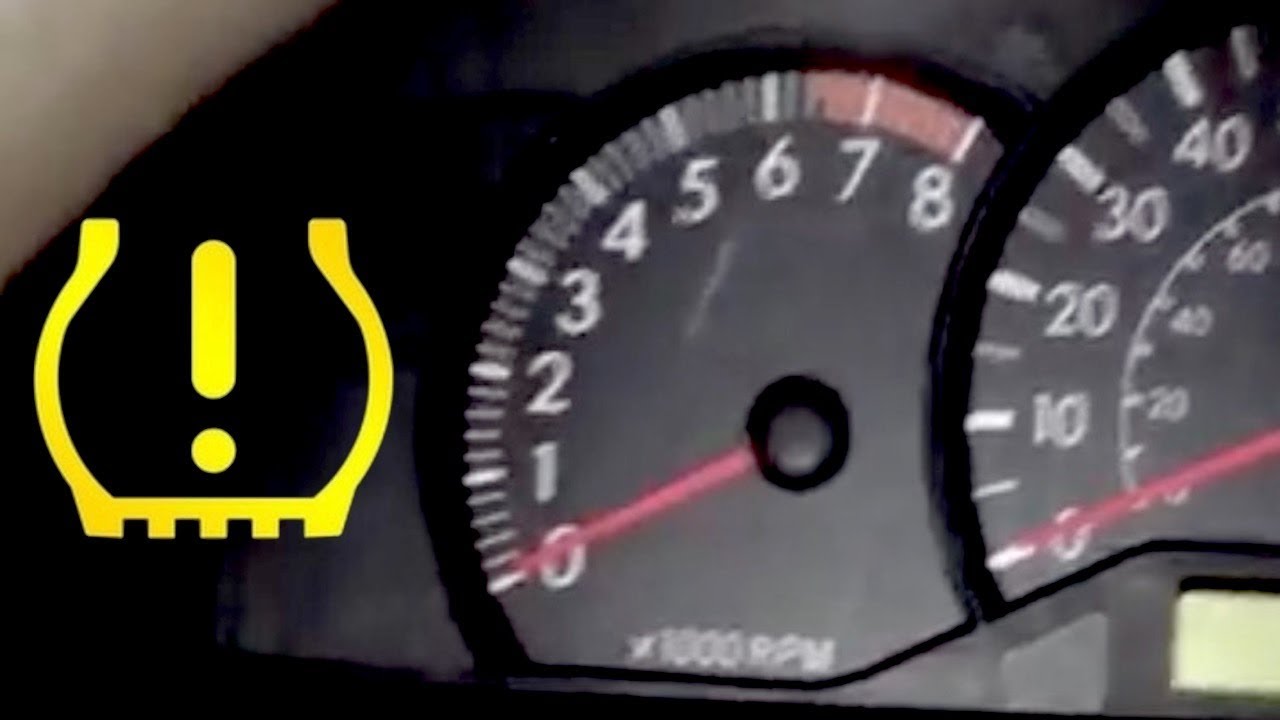
In most cars, including the Toyota Corolla, the light is usually solid when there’s a straightforward tire pressure problem. But when the light starts blinking, it signals a deeper issue with the system itself.
Why Is The Tire Pressure Light Blinking?
A blinking tire pressure light is different from a solid one. Here’s what it typically means:
- TPMS Sensor Fault: The most common reason is a problem with one or more of the sensors inside your tires. These sensors send data to the car’s computer.
- System Communication Error: Sometimes, the car can’t read the sensor information. This could be due to electrical issues or interference.
- Dead Sensor Battery: TPMS sensors have batteries. If a battery dies, the sensor stops working.
- Incorrect Sensor Programming: After changing tires or sensors, the system may not recognize new sensors.
- Aftermarket Wheels or Sensors: If you installed new wheels or sensors, they might not match your car’s system.
When the light blinks for about 60–90 seconds and then stays solid, it means your Toyota’s TPMS needs attention. It’s not just a tire problem—it’s a system problem.
Toyota Corolla Tpms: How It Works
Understanding the Tire Pressure Monitoring System helps you diagnose blinking lights. Toyota Corolla models from 2007 onward use a direct TPMS system. This means each tire has a sensor that directly measures pressure and sends information wirelessly to your car.
| Corolla Model Year | TPMS Type | Sensor Battery Life (approx.) |
|---|---|---|
| 2007–2013 | Direct | 7–10 years |
| 2014–2023 | Direct | 7–10 years |
Direct TPMS is more accurate than indirect systems, but it’s also more sensitive to sensor faults and battery issues.
Common Causes Of Tire Pressure Light Blinking In Toyota Corolla
Let’s explore the most frequent reasons:
- Sensor Battery Depleted: TPMS sensor batteries last about 7–10 years. When they run out, the sensor stops sending information. This is a frequent issue in older Corollas.
- Sensor Damage: Hitting a pothole or curb can damage the sensor inside the wheel.
- Non-Compatible Sensors: Using aftermarket sensors or wheels can cause communication errors.
- Sensor Not Registered: If you change tires or rotate them, the sensors might need re-registration. If not, the system blinks to signal a mismatch.
- Electrical Issues: Faulty wiring or weak connections can interrupt sensor communication.
- Environmental Interference: Sometimes, radio frequency interference from other devices can confuse the system.
A non-obvious insight: TPMS sensors are unique to each wheel’s position. Swapping wheels without reprogramming can trigger the blinking light, even if all tires are fine.
Credit: www.youtube.com
Diagnosing The Problem: Steps To Take
When the tire pressure light blinks, don’t ignore it. Here’s how to diagnose:
1. Check Tire Pressure Manually
Use a digital pressure gauge to confirm all tires are at recommended pressure. Don’t trust the TPMS alone if the light is blinking.
2. Inspect Tires For Damage
Look for punctures, cracks, or bulges. Sometimes, physical damage is the root cause.
3. Reset The Tpms System
In many Corolla models, there is a TPMS reset button under the dashboard or near the steering wheel. Hold it down until the light blinks three times, then release.
4. Check For Sensor Error Codes
Use an OBD-II scanner (available at auto parts stores) to read error codes related to TPMS. This gives you more specific information.
5. Visit A Mechanic Or Tire Shop
If steps 1–4 don’t solve the issue, professional help is needed. Technicians can check sensor batteries, wiring, and compatibility.
A practical tip: If you recently changed tires, ask your shop if they registered the sensors. Many shops overlook this step, causing blinking lights.
Toyota Corolla Tire Pressure Recommendations
Every car model has recommended tire pressures. For the Toyota Corolla, it’s usually:
- Front tires: 32 psi
- Rear tires: 32 psi
This can vary depending on your model year and driving conditions. Check the sticker inside your driver’s door or your owner’s manual for exact numbers.
| Corolla Model Year | Front Tire Pressure (psi) | Rear Tire Pressure (psi) |
|---|---|---|
| 2014–2019 | 32 | 32 |
| 2020–2023 | 32 | 32 |
| Older Models | 30–32 | 30–32 |
Always measure tire pressure when the tires are cold for best accuracy.
How To Fix A Blinking Tire Pressure Light
Here’s a step-by-step guide for resolving the blinking light:
1. Manually Inflate Or Deflate Tires
Bring all tires to the recommended pressure. Sometimes, a small difference triggers the system.
2. Reset The Tpms
Use the reset button. Hold until the light blinks, then drive for 10–20 minutes to let the system recalibrate.
3. Register New Sensors
If you changed tires or sensors, use a TPMS tool to register them. Some mechanics have these devices.
4. Replace Dead Sensors
If batteries are dead, replace the sensor. Sensors cost $50–$150 each, plus labor.
5. Repair Wiring Or Connections
If there’s a communication error, a mechanic can fix wiring or connections.
After fixing the problem, the light should turn off. If it stays blinking, there’s likely a deeper issue.
Preventing Tpms Problems In Your Corolla
You can avoid future blinking lights by following these tips:
1. Check Tire Pressure Monthly
Use a quality gauge and check tires before long trips.
2. Avoid Aftermarket Wheels/sensors
Stick to Toyota-approved parts for best compatibility.
3. Service Tpms Sensors Regularly
Have your mechanic check sensor health during tire rotations.
4. Register Sensors After Tire Changes
Always ask your tire shop to register sensors after replacing or rotating tires.
5. Protect Sensors From Damage
Avoid rough potholes and curbs when driving.
6. Monitor Sensor Battery Life
Keep track of sensor age, especially after 7 years.
A non-obvious insight: TPMS sensors can sometimes be damaged during tire changes, especially by inexperienced technicians. Ask shops to use care when removing or installing tires.
Understanding Tpms Sensor Replacement
Replacing a TPMS sensor is not complicated, but it requires special tools and knowledge. Here’s what happens:
- The technician removes the tire from the wheel.
- The old sensor is unscrewed and replaced with a new one.
- The new sensor is registered to the car’s system using a TPMS tool.
- The tire is remounted and balanced.
It’s smart to replace all sensors at once if they’re old, to avoid repeated trips to the shop.
Cost Comparison: Tpms Sensor Repair Vs. Replacement
Repairing or replacing TPMS sensors can vary in cost. Here’s a simple comparison:
| Service | Approximate Cost (USD) | Time Required |
|---|---|---|
| Sensor Battery Replacement | $70–$120 per sensor | 30–60 minutes |
| Sensor Registration | $30–$50 | 10–20 minutes |
| Full Sensor Replacement | $120–$200 per sensor | 45–90 minutes |
| Wiring/Connection Repair | $80–$150 | 60–120 minutes |
Prices may vary by location and shop. Always ask for estimates before approving repairs.
Real-life Examples: Toyota Corolla Owners’ Experiences
Many Corolla owners have faced blinking TPMS lights. Here are a few examples:
- John, 2012 Corolla: After changing all four tires, his TPMS light blinked. The shop forgot to register new sensors, causing a communication error. Registering fixed it.
- Maria, 2017 Corolla: The light blinked after a cold morning. Checking the tires showed low pressure, but after inflating, the light stayed blinking. A sensor battery had died and needed replacement.
- Raj, 2015 Corolla: Installed aftermarket wheels and sensors. The TPMS light blinked because sensors weren’t compatible. Switching to OEM sensors solved the issue.
These stories show how sensor registration, battery life, and compatibility are key factors.
Long-term Effects Of Ignoring The Blinking Light
Ignoring a blinking tire pressure light can lead to:
- Reduced Safety: If the TPMS isn’t working, you might miss warnings about dangerous tire pressure.
- Decreased Fuel Economy: Underinflated tires use more gas.
- Shorter Tire Life: Tires wear out faster if pressure is incorrect.
- Failed Vehicle Inspection: In some states, TPMS faults can cause inspection failures.
- Costly Repairs: Problems can worsen and lead to more expensive fixes.
If you want to learn more about TPMS systems, visit Wikipedia.

Credit: www.toyotaofclermont.com
The Role Of Weather And Temperature
Temperature changes can affect tire pressure. For every 10°F drop, tire pressure can fall by 1–2 psi. In winter, this often triggers the TPMS light. However, if the light blinks, it’s usually a sensor problem, not just low pressure.
Always check tire pressure during cold weather and expect minor drops. If the light blinks, consider sensor issues.
What Happens After Fixing The Blinking Light?
After you fix the cause, the tire pressure light should turn off during your next drive. If the issue was sensor registration, the system might take a few miles to recalibrate. If the sensor was replaced, the light should go away immediately after programming.
If the light comes back or stays blinking, it’s a sign that the problem wasn’t fully fixed. Double-check your steps or return to the mechanic.

Credit: www.toyotaofnorthcharlotte.com
Frequently Asked Questions
Why Does The Tire Pressure Light Blink And Then Stay Solid?
The blinking tire pressure light means the system found a fault, usually with a sensor or communication. After 60–90 seconds, it stays solid to show a tire pressure issue. The blinking phase points to a system fault, not just low tire pressure.
Can I Drive With The Tpms Light Blinking?
You can drive, but it’s not safe. The system can’t warn you about real tire pressure problems while blinking. It’s best to fix the issue quickly to keep your car safe and avoid further damage.
How Do I Reset The Tire Pressure Light In A Toyota Corolla?
Find the TPMS reset button (under the dash or near the steering wheel). Hold it until the light blinks three times. Release and drive for 10–20 minutes. If the light stays blinking, check for sensor faults or visit a mechanic.
Will Changing Tires Cause The Tpms Light To Blink?
Yes, if sensors aren’t registered or compatible, changing tires can cause the light to blink. Always ask your tire shop to register sensors after any tire change. Using OEM sensors helps avoid problems.
How Much Does It Cost To Fix A Blinking Tpms Light?
Costs vary. Sensor registration is $30–$50, sensor replacement is $70–$200 per sensor, and wiring repairs are $80–$150. It depends on the exact cause. Get an estimate before approving repairs.
Handling the Toyota Corolla tire pressure light blinking doesn’t have to be stressful. By understanding the causes, following practical steps, and learning from other owners, you can fix the problem and prevent it in the future. Regular maintenance and attention to sensors keep your car safe and reliable. If you face persistent issues, don’t hesitate to seek professional help. Your Toyota Corolla will thank you with smooth, worry-free driving.