
If you drive a Nissan and suddenly see your tire pressure light blinking, you might feel worried or confused. This warning is easy to ignore, but it’s important for your safety, fuel economy, and the health of your tires. Many drivers don’t know what a blinking tire pressure light means compared to a steady one. But understanding this small detail can help you avoid bigger problems down the road.
Let’s explore why the tire pressure light blinks on Nissan vehicles, what you should do when it happens, and how you can prevent future issues. By the end, you’ll know exactly how to respond if this light starts blinking on your dashboard.
What Does The Tire Pressure Light Mean?
Most modern cars, including Nissan models, use a Tire Pressure Monitoring System (TPMS). This system checks the air pressure in your tires and alerts you when it’s too low or if there’s a problem with the system itself.
When the system works normally, the light comes on and stays steady if one or more tires are low on pressure. But if the tire pressure light blinks for about 60–90 seconds when you start your car, then stays on steady, it means something different.
Steady Vs. Blinking Tire Pressure Light
| Light Behavior | Meaning | What To Do |
|---|---|---|
| Steady (always on) | Low tire pressure in one or more tires | Check and fill tires to correct pressure |
| Blinks (1-2 min), then steady | TPMS system error or malfunction | Inspect system, possible repair needed |
| Goes off after start | No current tire/TPMS issues | No action needed |
Most drivers only look for low tire pressure. But when your tire pressure light is blinking, it means the system itself can’t do its job—so it might not warn you of a real flat tire.
Common Causes Of A Blinking Tire Pressure Light In Nissan
A blinking tire pressure warning is not just a simple low tire. Let’s look at the most common reasons this happens in Nissan vehicles.
1. Tpms Sensor Battery Failure
Each wheel has a TPMS sensor, powered by a small battery. These batteries usually last 5–10 years. When one dies, the system can’t read tire pressure from that wheel, and the light blinks.
2. Sensor Damage Or Fault
TPMS sensors can break if a tire is changed or hit by debris. Even a rough pothole can damage them. If the sensor sends a wrong signal, the warning light will blink.
3. New Or Replaced Tires Without Sensor Relearning
After changing tires or wheels, the system may not recognize the sensors. Nissan vehicles require a “relearn” process to sync the sensors to the car’s computer.
4. Interference Or Electrical Issues
Radio frequency interference from other electronics, or even a weak car battery, can confuse the TPMS system. This is less common, but it does happen.
5. Aftermarket Wheels Or Sensors
If you install wheels or sensors not made for Nissan, they may not communicate correctly with your car. This causes a system error, shown by the blinking light.
6. System Malfunction
Sometimes, the problem is inside the TPMS control module or wiring. Corrosion, water damage, or software glitches can trigger a blinking light.
Non-obvious Insight: Seasonal Temperature Swings
Many Nissan owners notice the TPMS warning after a cold night. Air pressure drops as temperatures fall, sometimes triggering a warning. Normally, this causes a steady light, but if the sensor is already weak, the cold can make it fail entirely—leading to a blinking light.
Non-obvious Insight: Spare Tire Issues
Some Nissan models have a full-size spare tire with a sensor. If the spare is low or its sensor is dead, it can cause the whole system to blink. Most drivers overlook the spare when checking for problems.
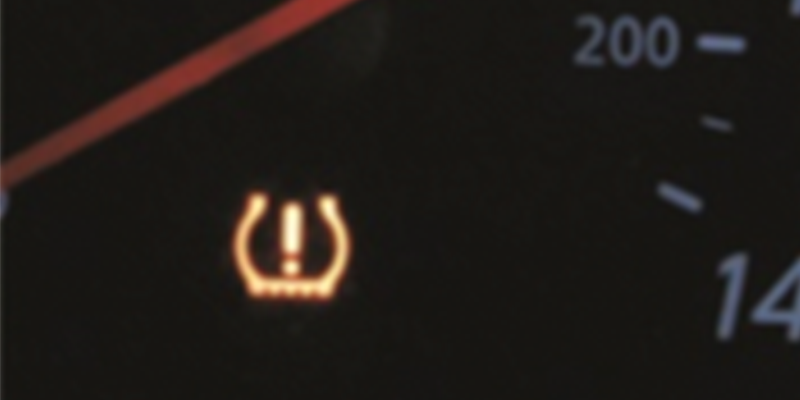
Credit: www.tirereview.com
How The Nissan Tpms System Works
Understanding how the TPMS works helps you diagnose problems. Nissans use a direct TPMS system. Each wheel has a sensor inside, mounted on the valve stem. These sensors send real-time pressure data to the car’s computer via radio waves.
When the system doesn’t receive a signal from any sensor, or if one sends a strange reading, the light blinks. The system checks all four (sometimes five) tires, including the spare on certain models.
Key Features Of Nissan Tpms
| Feature | Direct TPMS | Indirect TPMS |
|---|---|---|
| Sensors in each wheel | Yes | No |
| Measures real air pressure | Yes | No (uses wheel speed) |
| More accurate | Yes | No |
| Sensor battery can fail | Yes | No |
If you own a Nissan, you have the more accurate, direct system. That’s why a blinking light should never be ignored.
What To Do If Your Tire Pressure Light Is Blinking
If your Nissan’s tire pressure warning is blinking, don’t panic. You can follow a simple plan to find out what’s wrong and stay safe.
Step 1: Visually Inspect Your Tires
Walk around your car and check all tires, including the spare if possible. Look for:
- Obvious flats or low tires
- Damaged or cracked valve stems
- Foreign objects (nails, screws, debris)
If you see a flat, add air or put on the spare before driving further.
Step 2: Check Tire Pressure With A Gauge
Even if tires look fine, check the pressure with a reliable gauge. Nissan recommends checking when tires are “cold,” before you drive.
- Find the correct pressure on the sticker inside the driver’s door (usually 32–36 psi for most models)
- Compare each tire’s reading to the recommended pressure
- Fill or release air as needed
If all pressures are good, but the light still blinks, the system itself is likely at fault.
Step 3: Reset The Tpms (if Possible)
Some Nissan models have a TPMS reset button. Others reset automatically after driving for a few minutes with correct pressure. Try:
- Driving at 25+ mph for 10–15 minutes
- Turning the car off and on
If the light keeps blinking, move to the next step.
Step 4: Visit A Repair Shop Or Nissan Dealer
A blinking TPMS light means the system can’t work correctly. Most issues require special tools or a scan tool to read TPMS trouble codes.
A technician can:
- Check each sensor for battery life and signal
- Relearn or reprogram sensors to the car
- Replace dead or damaged sensors
- Test the TPMS module and wiring
Repairs are usually quick. Costs depend on whether a sensor or module needs replacement.
Step 5: Don’t Ignore The Warning
If the system isn’t working, you won’t know if you have a real flat in the future. Driving without a working TPMS means more risk—especially at highway speeds or in bad weather.

Credit: www.ronbouchardsnissan.com
How To Prevent Tpms Issues In Your Nissan
You can avoid many problems with good habits and regular checks. Here’s what helps:
1. Check Tire Pressure Monthly
Don’t wait for the warning light. Use a gauge once a month, and before long trips.
2. Service Sensors When Changing Tires
If you’re getting new tires, ask the shop to check TPMS sensors. Replacing the sensor seal and battery can prevent future problems.
3. Use Compatible Parts
Only use wheels, tires, and sensors meant for your Nissan. Aftermarket parts can cause errors.
4. Avoid Damaging Sensors
Tell tire shops to be careful around the valve stems. Most damage happens during tire changes.
5. Replace Sensors Every 5–10 Years
Even if they work, sensor batteries die over time. Prevent surprises by changing them with your tires.
6. Check The Spare Tire
If your spare has a sensor, check its pressure and condition. Many forget this step.
Real-world Example: 2015 Nissan Altima Tpms Issue
Let’s look at a common scenario. A driver owns a 2015 Nissan Altima. One cold morning, the tire pressure light starts blinking after turning on the car. The driver checks all four tires—they look fine, but the light keeps blinking.
At the repair shop, the technician finds one rear sensor’s battery is dead. The sensor is seven years old, which is a normal lifespan. After replacing the sensor and “relearning” the system, the light goes off.
This case shows how a blinking TPMS light often means a sensor issue, not just low pressure.
How Much Does It Cost To Fix A Blinking Tire Pressure Light?
Cost depends on the problem. Here’s a rough guide:
| Problem | Estimated Cost (USD) | Notes |
|---|---|---|
| TPMS Sensor Replacement (per wheel) | $50–$120 | Includes parts and labor |
| TPMS Relearn/Programming | $30–$70 | May be included with sensor install |
| TPMS Module Replacement | $200–$400 | Rare, only if module fails |
| Tire Pressure Check/Adjustment | Usually free | Most shops include with tire service |
Most repairs are affordable, especially compared to the cost of a flat tire or accident. Many Nissan dealers and tire shops offer free TPMS diagnostics during a tire service.
How Driving With A Blinking Tire Pressure Light Affects You
Ignoring this warning can lead to:
- Hidden tire leaks: You won’t know if a tire is slowly losing air.
- Poor fuel economy: Low pressure increases rolling resistance.
- Uneven tire wear: Shortens tire life and affects handling.
- Higher risk of blowout: At highway speeds, a flat tire is dangerous.
- Failed state inspection: Many states require working TPMS for safety checks.
A working TPMS keeps you and your family safer, and can save you money over time.
Blinking Tire Pressure Light: Not Just A Nissan Problem
While this article focuses on Nissan, the blinking TPMS warning is common in all brands using direct TPMS. The steps and solutions apply to most cars made after 2007.
If you want more details on the technology behind TPMS, the Wikipedia TPMS page has in-depth technical information.
Tips For Winter And Extreme Weather
Many Nissan owners see tire warnings during winter or heat waves. Here’s how to manage:
- Check tires after big temperature changes. Pressure drops 1 psi for every 10°F the air cools.
- Don’t overfill to “fix” the light. Too much air is also unsafe.
- Check after hitting potholes. Winter roads can damage sensors and tires.
If you travel between warm and cold climates, re-check your tire pressures when you arrive.
When You Should Reset Or Relearn Tpms
You may need to reset or “relearn” the system if:
- You change or rotate tires
- You replace a TPMS sensor
- The system still blinks after fixing a flat
Some newer Nissans do this automatically, but others need a special tool or a dealer visit. Always ask your mechanic if a relearn is needed after service.
Frequently Asked Questions
Why Is My Nissan Tire Pressure Light Blinking Instead Of Steady?
A blinking light means a TPMS system error or sensor malfunction, not just low tire pressure. The system can’t read tire data, so it’s warning you of a bigger issue.
Can I Still Drive With The Tire Pressure Light Blinking?
You can drive short distances, but it’s not safe long-term. The TPMS won’t warn you of a real flat or leak. Fix the problem as soon as possible.
How Do I Know Which Tire Sensor Is Bad?
A repair shop can scan your Nissan’s TPMS to see which sensor isn’t working. Most drivers can’t tell without special tools. Some advanced scan tools let you check at home.
Will A Blinking Tire Pressure Light Pass Inspection?
In many states, a blinking or lit TPMS light will fail a safety inspection. The system must be working for your car to pass.
How Long Do Nissan Tpms Sensors Last?
Most TPMS sensors last 5–10 years, depending on driving habits and climate. Battery life is the main limit, not the sensor itself.
Conclusion
If you see your tire pressure light blinking on your Nissan, don’t ignore it. Addressing the warning quickly can prevent bigger problems and keep your drives safe and smooth. Always check your tire pressures regularly and get the system checked at a trusted shop if the light blinks for more than a few minutes. Knowing what the blinking light means can save you time, money, and stress on the road.

Credit: www.youtube.com