
Feeling pain on your upper eyelid when blinking can be worrying. It may seem minor, but this symptom often signals an underlying issue with your eye or eyelid. Whether the pain is sharp, dull, or just uncomfortable, understanding why it happens is important for your eye health. Many people ignore mild eyelid pain, hoping it will go away. However, knowing the causes, symptoms, and treatments can help you decide when to seek medical help and how to ease discomfort at home.
Common Causes Of Upper Eyelid Pain When Blinking
Several things can trigger pain in the upper eyelid, especially during blinking. Here are the most frequent causes:
- Stye (Hordeolum): This is a red, swollen bump caused by a bacterial infection in the eyelid’s oil gland. It often feels tender and hurts when you blink.
- Chalazion: Unlike a stye, a chalazion is a painless lump, but sometimes it can hurt if it grows large and presses on nerves.
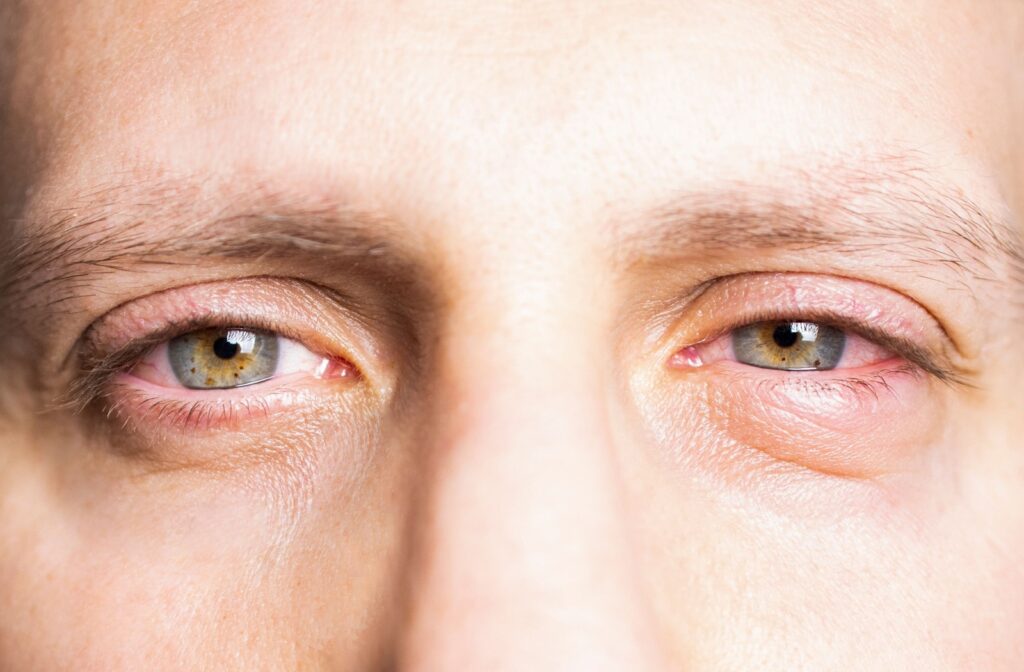
- Blepharitis: Inflammation of the eyelid margins, usually from bacteria or skin conditions, causes soreness and irritation.
- Allergic Reactions: Allergies to pollen, dust, or makeup can lead to swelling, itching, and pain when blinking.
- Dry Eyes: Lack of moisture in the eyes can make blinking painful, especially if the eyelids are irritated.
- Injury or Trauma: A scratch, blow, or rubbing can cause pain and swelling.
- Contact Lens Issues: Improper use or dirty lenses can irritate the eyelid.
- Infections: Bacterial or viral infections, such as conjunctivitis, sometimes affect the upper eyelid.
- Meibomian Gland Dysfunction: Blocked oil glands can lead to discomfort and pain.
Some people miss that eye strain or even sinus infections can cause eyelid pain. Sinus pressure may push upward, making your eyelid sensitive, especially when blinking.
Symptoms To Watch For
Besides pain, you might notice other symptoms. Recognizing these helps identify the cause:
- Redness and swelling
- Tenderness when touched
- A visible lump or bump
- Discharge or crusting
- Itching or burning
- Sensitivity to light
- Blurred vision
- Eyelid twitching
If you have a fever, severe vision changes, or cannot open your eye, seek urgent medical attention. These signs can mean a more serious infection or injury.
:max_bytes(150000):strip_icc()/VWH-EVERGREEN-Left-Eye-Pain-Why-It-Hurts-and-How-to-Relieve-It-1-FINAL-TEXT-1-1-f39feb0d4c644f6db182c332c7e922ca.png)
Credit: www.verywellhealth.com
How Does Blinking Cause Eyelid Pain?
Blinking is a natural process that keeps your eyes moist and clean. The eyelids move up and down about 15-20 times per minute. If the eyelid tissue is inflamed, injured, or infected, every blink can trigger pain. The upper eyelid is more involved in blinking, so problems here often hurt more.
Non-obvious insight: Many people think only external causes lead to eyelid pain, but sometimes the issue is internal, like a blocked gland or nerve. Also, repeated blinking (such as from dryness or irritation) can make pain worse, creating a cycle that delays healing.
Risk Factors For Eyelid Pain
Some groups are more likely to experience pain when blinking:
- Contact lens users
- People with allergies
- Those with skin conditions (like eczema or rosacea)
- Individuals who use eye makeup
- People exposed to dusty or polluted environments
- Diabetics (higher risk of infections)
Children and older adults may have weaker immune defenses, making them prone to eyelid infections.
Diagnosing The Cause
A doctor will examine your eye and ask questions about your symptoms. Sometimes tests are needed, such as:
- Swabbing for bacteria or viruses
- Checking tear production
- Using a magnifying light to look for blocked glands
In rare cases, imaging (like an ultrasound or CT scan) might be required if the pain is severe or doesn’t improve.
Comparison Of Common Causes
To help you understand the differences, here’s a comparison of three frequent causes:
| Condition | Appearance | Pain Level | Other Symptoms |
|---|---|---|---|
| Stye | Red, swollen bump | Moderate to severe | Tenderness, discharge |
| Chalazion | Painless lump, can become painful | Mild to moderate | Swelling, sometimes blurred vision |
| Blepharitis | Redness, crusts at eyelid edge | Mild to moderate | Burning, itching |
Treatment Options
Most eyelid pain can be managed at home, but some cases need professional care. Here are common treatments:
Home Remedies
- Warm compresses: Hold a clean, warm cloth on your eyelid for 5-10 minutes, 2-3 times daily. This helps open blocked glands and reduce pain.
- Gentle cleaning: Use diluted baby shampoo on a cotton pad to clean the eyelid margins.
- Avoid makeup and contact lenses: Stop using these until the pain improves.
- Artificial tears: If dryness is a cause, lubricating eye drops can help.
- Cool compresses: For allergic reactions, a cool cloth may reduce swelling.
Medical Treatments
If home remedies don’t work, a doctor may suggest:
- Antibiotic ointments or drops: For bacterial infections.
- Steroid drops: To reduce inflammation (used under supervision).
- Oral antibiotics: For severe or spreading infections.
- Surgical drainage: Rare, only for large or persistent lumps.
Comparison Of Treatment Approaches
Here’s a simple table to compare home and medical treatments:
| Treatment Type | When Used | Effectiveness | Risks |
|---|---|---|---|
| Warm Compress | Mild cases, blocked glands | High for simple styes | Minimal |
| Antibiotics | Infections, severe pain | Very high | Allergy, resistance |
| Surgery | Persistent lumps, serious cases | High | Scarring, infection |
Prevention Tips
Keeping your eyelids healthy can prevent pain when blinking. Here are some practical steps:
- Wash hands before touching eyes.
- Remove makeup before sleeping.
- Clean contact lenses properly.
- Use allergy medication as needed.
- Avoid rubbing your eyes.
- Replace old eye makeup regularly.
- Stay hydrated; dry eyes can increase risk.
- Protect eyes in dusty or polluted areas.
Non-obvious insight: Many people skip cleaning eyelids, but gentle daily cleaning reduces bacterial buildup and lowers risk of stye and blepharitis.
When To See A Doctor
If your pain lasts more than 48 hours, gets worse, or is joined by serious symptoms like vision changes or fever, see an eye specialist. Early treatment prevents complications and preserves vision.
Complications From Untreated Eyelid Pain
Ignoring persistent eyelid pain can lead to problems like:
- Spread of infection: Untreated styes or blepharitis can affect deeper tissues.
- Scarring: Surgical drainage or repeated infections may leave scars.
- Vision loss: Rare, but possible if infections reach the eye.
- Chronic discomfort: Ongoing pain affects daily life and sleep.
Data On Eyelid Pain Incidence
According to the American Academy of Ophthalmology, styes and blepharitis are among the most common eyelid conditions, affecting up to 10% of people yearly. Contact lens users have a higher risk—studies show up to 15% experience eyelid pain at least once a year.
Credit: www.medicalnewstoday.com
Real-life Examples
Sarah, a contact lens user, developed pain and swelling on her upper eyelid after wearing her lenses overnight. Warm compresses helped, but the pain returned. Her eye doctor found a blocked gland and prescribed antibiotics. Sarah learned to clean her eyelids daily and never sleep in contacts.
In another case, Tom, a landscaper, experienced eyelid pain after working in dusty conditions. He used cool compresses and artificial tears, and the pain faded within a day. He now wears protective glasses and washes his hands often.
Comparing Eyelid Pain And Eye Pain
Some confuse eyelid pain with eye pain. Here’s a quick comparison:
| Feature | Eyelid Pain | Eye Pain |
|---|---|---|
| Location | Upper or lower eyelid | Inside the eye or eye surface |
| Common Causes | Stye, blepharitis, injury | Infection, glaucoma, dry eyes |
| Symptoms | Swelling, redness, tenderness | Sharp pain, vision changes |
| Treatment | Compresses, cleaning, antibiotics | Depends on cause; often urgent |
Credit: griffinoptometric.com
Frequently Asked Questions
Why Does My Upper Eyelid Hurt Only When I Blink?
When you blink, the eyelid moves over the eye’s surface. If the eyelid is swollen, infected, or injured, this movement causes pain. Styes and blepharitis are common reasons.
Can Allergies Cause Pain In My Upper Eyelid?
Yes, allergies can make your eyelid swollen, itchy, and tender. Blinking may make the pain worse. Avoid allergens and use cool compresses to reduce symptoms.
Is It Safe To Use Makeup If My Eyelid Hurts?
No, it’s best to avoid makeup until the pain is gone. Makeup can irritate the eyelid and make the problem worse. Clean your eyelid gently and let it heal.
Should I Stop Wearing Contact Lenses If My Eyelid Hurts?
Yes, stop wearing contacts until your eyelid feels better. Clean your lenses well before using them again. If pain continues, talk to your eye doctor.
When Should I Worry About Eyelid Pain?
If pain lasts more than two days, is severe, or affects your vision, see a doctor. Sudden swelling with fever or inability to open your eye needs urgent attention.
Maintaining good eyelid hygiene and seeking medical help when symptoms persist can keep your eyes comfortable and healthy. If you want to learn more about eye health, check out the American Academy of Ophthalmology for trusted information.
Pain on the upper eyelid when blinking is common, but often manageable. Knowing the causes and treatments lets you take control of your eye health. Don’t ignore persistent pain—your eyes deserve care and attention.