
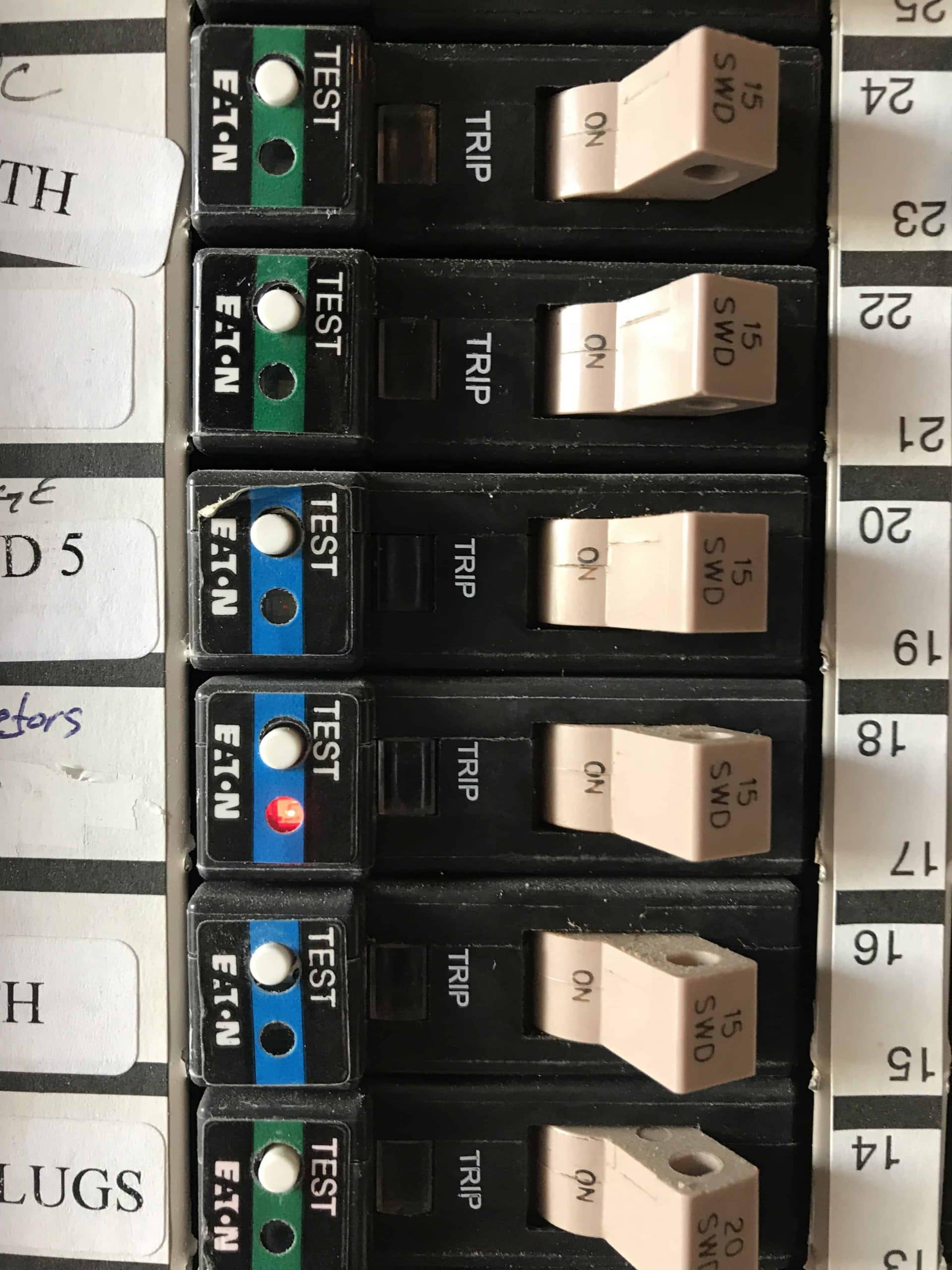
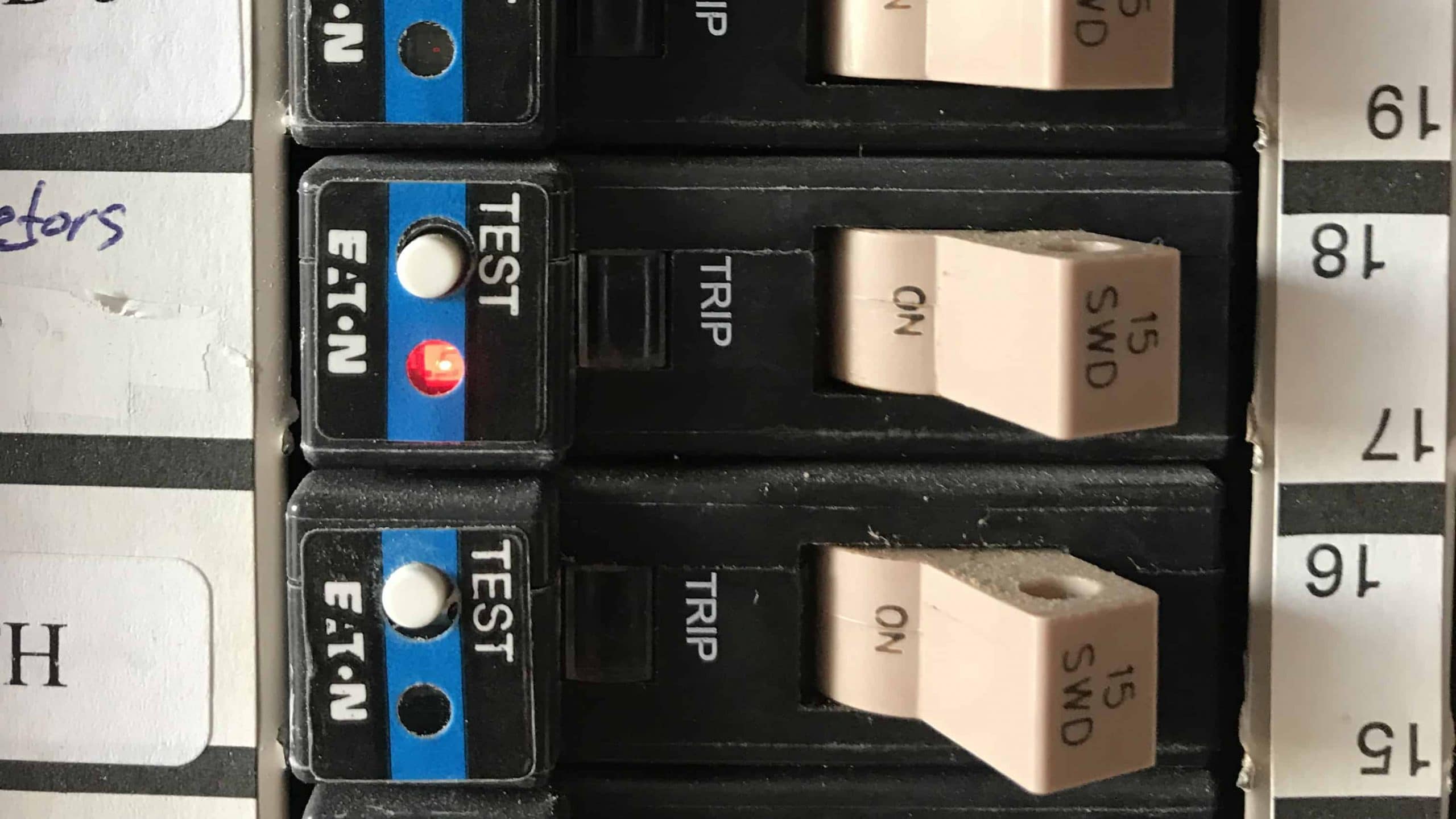
When your Eaton breaker starts blinking red six times, it’s easy to feel anxious. Is it a small glitch, or a sign of a bigger electrical problem? For many homeowners and facility managers, this flashing code is confusing and sometimes alarming.
But understanding what it means—and what you should do next—can keep your home or business safe and running smoothly.
Eaton breakers are designed with smart technology that helps detect and signal issues quickly. The red light is not just a warning; it’s a coded message. Six blinks in particular point to a specific set of potential problems. This article will break down what the six-blink pattern means, step by step, and guide you through troubleshooting, repairs, and prevention.
You’ll also find practical tips, examples, and data to help you make the right decisions.
Understanding Eaton Breaker Indicators
Modern circuit breakers, like those made by Eaton, use LED lights to signal their status. This makes troubleshooting faster and more accurate. Typically, a green light means normal operation, while a red blinking light means the breaker has detected an issue.
The number of blinks is important. For Eaton breakers, each unique pattern matches a specific error. Six red blinks is a standardized signal in many models, especially in their AFCI (Arc Fault Circuit Interrupter) and GFCI (Ground Fault Circuit Interrupter) lines.
Knowing how to interpret these signals is essential for safety and efficiency.
What Does “6 Times Blinking Red” Mean?
When your Eaton breaker blinks red six times, it’s alerting you to a ground fault or related issue. This is different from a simple overload or short circuit. A ground fault happens when electricity escapes its intended path and finds a shortcut to the ground. This can cause electric shock or even fire if not addressed.
But “six blinks” can also signal related problems that fall under the ground fault umbrella. Here are the six main reasons for this error code:
- Ground fault detected
- Neutral-to-ground connection issue
- Shared neutral wiring problem
- Moisture intrusion
- Damaged breaker or wiring
- Incorrect installation or retrofit
Let’s dive into each one, so you can pinpoint the real cause in your situation.
1. Ground Fault Detected
A ground fault is when electrical current leaves its intended path and flows to the ground through an unintended route. This can be very dangerous, especially in wet areas like kitchens, bathrooms, and outdoors.
Ground faults often happen because of:
- Damaged insulation on wires
- Water exposure or leaks
- Faulty appliances
- Loose connections
If your Eaton breaker blinks red six times, the most common cause is a real ground fault. The breaker senses a difference in current between the “hot” and “neutral” wires, and trips to prevent harm.
What to do:
Unplug all devices on the affected circuit. Reset the breaker. If the blinking stops, plug devices in one by one to find the faulty item. If the blinking returns immediately, the wiring itself may be damaged.
Example
Imagine a kitchen with an old toaster. If its cord is frayed and touches a metal sink, a ground fault occurs. The breaker’s six-blink code quickly alerts you before a shock or fire happens.
2. Neutral-to-ground Connection Issue
Electric circuits have a neutral wire and a ground wire, each with a specific job. The neutral carries current back to the panel, while the ground is for safety, carrying stray current away during a fault.
If these wires are accidentally connected together anywhere except at the main panel, you get a neutral-to-ground bond. This confuses the breaker’s sensors, causing it to blink red six times, even if no actual ground fault exists.
This problem is common in older homes or after DIY electrical work.
What to do:
Check outlets, junction boxes, and subpanels for incorrect wiring. A licensed electrician can use a tester to find hidden bonds. Correcting these connections usually solves the blinking issue.
Data Snapshot
According to the Electrical Safety Foundation International (ESFI), neutral-to-ground wiring errors are involved in roughly 15% of home electrical fires caused by circuit faults.
3. Shared Neutral Wiring Problem
Some circuits use a shared neutral—one neutral wire serving two or more circuits. While this can be safe and code-compliant, it can confuse AFCI or GFCI breakers if not wired carefully.
If current flows through one breaker but returns through a shared neutral linked to another breaker, the Eaton breaker will sense an imbalance and blink red six times.
What to do:
Check your panel for shared neutral setups. Electricians often label these circuits. If the wiring is not clear, a professional can trace and separate the neutrals for each breaker.
Non-obvious Insight
Many people don’t realize that replacing a standard breaker with an AFCI or GFCI model requires changes to shared neutral wiring. Simply swapping breakers can trigger the six-blink error unless the wiring is updated.
4. Moisture Intrusion
Moisture is a common but often overlooked cause of ground faults. Water conducts electricity, so even small leaks or condensation can create a path from live wires to ground.
Moisture problems often happen in:
- Bathrooms
- Kitchens
- Basements
- Outdoor outlets
If your breaker starts blinking after heavy rain or a plumbing leak, moisture is likely the culprit.
What to do:
Inspect outlets, covers, and wiring for signs of water. Dry the area completely. If the blinking stops after drying, address the source of the moisture to prevent future problems.
Experience-based Tip
Sometimes, condensation inside outdoor outlet covers causes ground faults without any visible water. Replacing covers with weatherproof models can prevent repeat issues.
5. Damaged Breaker Or Wiring
Not all six-blink codes mean a problem with your appliances or wiring. Sometimes, the breaker itself is faulty. Years of use, power surges, or manufacturing defects can damage internal sensors, causing false ground fault signals.
Likewise, damaged wiring—such as from rodents, nails, or heat—can cause intermittent faults. These may not trip the breaker every time but can still lead to the six-blink warning.
What to do:
If you’ve checked appliances, outlets, and wiring and found nothing wrong, try replacing the breaker with a new, identical model. If the problem remains, call a licensed electrician to inspect hidden wiring.
Data Table: Breaker Vs. Wiring Faults
Here’s a quick comparison to help you decide which is more likely:
| Symptom | Damaged Breaker | Damaged Wiring |
|---|---|---|
| Six-blink code appears after years of use | Common | Possible |
| Blinking stops with new breaker | Yes | No |
| Visible rodent or nail damage | No | Yes |
| Other circuits affected | No | Possible |
6. Incorrect Installation Or Retrofit
Finally, the six-blink code can appear after incorrect installation of the breaker itself. This is a frequent issue when upgrading from standard to AFCI or GFCI breakers, or during renovations.
Common mistakes include:
- Not connecting the coiled neutral pigtail on the breaker to the neutral bar
- Miswiring the line and load terminals
- Using the wrong breaker type for the panel
Even experienced electricians sometimes overlook these details, especially when retrofitting old panels.
What to do:
Review the breaker’s manual and wiring diagram. Make sure the white neutral wire from the circuit connects to the breaker, and the breaker’s pigtail connects to the panel’s neutral bar. Double-check all terminal connections.
Example
A homeowner replaces an old breaker with a new Eaton AFCI. They forget to attach the white pigtail. The breaker blinks red six times, even though nothing else is wrong.
Credit: www.thegeekpub.com
Step-by-step Troubleshooting Guide
When you see the six-blink code, use this process:
- Unplug all devices on the affected circuit.
- Reset the breaker and watch for the blinking pattern.
- If blinking continues, inspect outlets and wiring for damage or moisture.
- Check for shared neutrals or neutral-to-ground connections.
- Replace the breaker if all else fails.
- Call a licensed electrician for in-depth testing if the issue remains.
Common Mistakes To Avoid
- Ignoring the blinking and continuing to use the circuit
- Swapping breakers without fixing wiring problems
- Overlooking hidden water leaks or condensation
- Failing to update wiring when adding AFCI/GFCI protection
Preventing Future Six-blink Errors
Preventing ground faults and related issues is often easier than fixing them. Here’s how you can keep your Eaton breakers working reliably:
- Use weatherproof covers for all outdoor outlets
- Inspect wiring yearly, especially in older homes
- Avoid overloading circuits with too many devices
- Hire professionals for any panel or wiring upgrades
- Replace appliances or cords that show signs of wear
Table: Common Areas With High Ground Fault Risk
| Area | Risk Factors | Prevention Tips |
|---|---|---|
| Kitchen | Water, appliances | Use GFCI outlets, check cords |
| Bathroom | Humidity, water splashes | Seal outlets, use fans |
| Basement | Flooding, leaks | Elevate wiring, install sump pump |
| Outdoor | Rain, dew | Weatherproof covers, GFCI outlets |
When To Call An Electrician
Some ground fault and wiring issues are easy to spot and fix. But if the six-blink code returns after your checks, it’s time to call a licensed electrician. Electrical codes are strict for a reason: incorrect repairs can cause fires, shocks, or code violations.
Electricians use advanced tools like circuit analyzers and insulation testers to find hidden faults. In many states, only licensed professionals can legally work on certain parts of your electrical system.
Comparison: Eaton Breakers Vs. Other Brands
If you’re considering replacing your breaker, you might wonder how Eaton compares to other brands. Here’s a quick overview:
| Feature | Eaton | Square D | Siemens |
|---|---|---|---|
| LED diagnostics | Yes | Limited | Yes |
| AFCI/GFCI options | Wide range | Good | Good |
| Compatibility | Requires Eaton panel | Requires Square D panel | Requires Siemens panel |
| Price | Mid-high | Mid | Mid |
| Warranty | 10 years | Lifetime (select models) | 10 years |
Eaton’s LED diagnostics, including the six-blink code, are considered among the most user-friendly for quick troubleshooting.
Real-world Example: Six Blinks Saves A Family
In 2022, a family in Ohio noticed their kitchen breaker blinking red. After checking, they found a leaky pipe had soaked the outlet behind their refrigerator. The six-blink code warned them before anyone got shocked or a fire started. Their electrician praised the Eaton breaker’s diagnostics for preventing a disaster.
This is a reminder that these codes are not just technical details—they protect lives and property.
Safety Tips For Handling Breaker Issues
Always follow safety best practices when dealing with electrical panels:
- Turn off the main breaker before touching any wiring
- Use insulated tools
- Never work alone when troubleshooting live circuits
- Label breakers clearly for future reference
- Wear rubber-soled shoes and avoid standing in water
If you’re unsure about any step, don’t risk it—call a professional. Electricity is unforgiving.

Credit: www.youtube.com
Additional Resources
For more information about ground faults, home wiring, and breaker diagnostics, visit the official Eaton FAQ page. This site offers detailed guides, wiring diagrams, and safety tips from the manufacturer.
Frequently Asked Questions
What Does It Mean When My Eaton Breaker Blinks Red Six Times?
It means the breaker has detected a ground fault or a related wiring issue. This could be caused by damaged appliances, bad wiring, moisture, or incorrect installation. The breaker is warning you to check for problems before using the circuit again.
Can I Fix A Six-blink Error Myself, Or Do I Need An Electrician?
You can try basic steps like unplugging devices, resetting the breaker, and inspecting for moisture or visible damage. But if the blinking continues, or if you suspect wiring issues, it’s safest to call a licensed electrician.
Will Replacing The Breaker Stop The Blinking?
Sometimes, yes. If the breaker itself is faulty, a new one will fix the issue. But if the problem is in your wiring or appliances, the new breaker will also blink red. Always check wiring before replacing breakers.
Is A Six-blink Code Dangerous?
It can be. A ground fault can lead to electric shock or fire if ignored. The breaker is designed to protect you by shutting off the circuit and alerting you with the blinking code.
How Can I Prevent Future Ground Faults And Six-blink Errors?
Keep wiring dry, use GFCI outlets in wet areas, inspect cords and outlets regularly, and hire professionals for upgrades. Avoid overloading circuits and fix water leaks quickly.
Final Thoughts
Staying alert to your breaker’s signals—and acting quickly—can keep your home and family safe. Eaton’s diagnostic codes, especially the six-blink warning, are there for your protection. Understanding and responding to these signals is one of the smartest things you can do as a homeowner or facility manager.
Credit: www.thegeekpub.com