
the exhaust system, which quickly overheats and destroys the catalytic converter. This single part can cost over $2,000 to replace on many VW models. But that’s not the only risk. Continuing to drive can also:
- Cause permanent damage to pistons and valves
- Lead to melted or damaged oxygen sensors
- Damage your engine’s computer or wiring harness
- Result in your car stalling in dangerous situations
It’s tempting to hope the problem will go away, especially if the car seems to run “okay. ” But the engine is under stress when the light is blinking. Even a short trip can turn a cheap fix (like a $10 spark plug) into a major repair.
For example, a small misfire left unchecked can cause enough heat to melt the inside of your exhaust system, leading to a full exhaust replacement.
Real experience: Some VW owners on forums have shared stories where a blinking engine light was ignored for just a few days, turning a $250 repair into a $3,000 nightmare. The car ran worse and worse, until it finally couldn’t be driven at all.
How Mechanics Fix A Blinking Vw Engine Light
A professional mechanic will follow a step-by-step process to diagnose and fix the problem. Here’s what usually happens:
- Code Reading: The mechanic starts by connecting an OBD-II scanner to read all stored and pending codes. This gives a starting point for diagnosis.
- Visual Inspection: Next, the mechanic checks for obvious signs—loose wires, damaged hoses, or leaking fluids.
- Component Testing: Parts like spark plugs, ignition coils, and injectors are tested for correct operation. Sometimes, these parts are swapped between cylinders to see if the misfire “moves.”
- System Checks: The mechanic may do a compression test to check engine internals, or a smoke test to find vacuum leaks.
- Repair and Retest: Once the faulty part is found, it’s replaced or repaired. The car is then retested to make sure the engine light does not return and the engine runs smoothly.
Example: A VW Tiguan came in with a flashing engine light and a P0303 code (misfire cylinder 3). The mechanic swapped the ignition coil from cylinder 3 to cylinder 1. The code moved to P0301, confirming the coil was bad. Replacing just that coil solved the problem.
Pro tip: Always ask for old parts back and a printout of the diagnostic codes. This keeps your mechanic accountable and helps you learn more about your car.
How To Communicate With Your Mechanic
If you’re not familiar with car repairs, talking to a mechanic can be intimidating. Here are some simple ways to make the process easier and avoid misunderstandings:
- Describe Symptoms Clearly: Share exactly what you heard, smelled, or saw when the engine light started blinking. Mention if you noticed loss of power, unusual noises, or changes in fuel economy.
- Mention Recent Repairs: Sometimes, a new part or recent service can be related to the problem.
- Ask for the Codes: Request a printout or photo of the OBD-II error codes. This helps you understand the issue and get a second opinion if needed.
- Get a Written Estimate: Always ask for a full quote before agreeing to repairs. Make sure it lists parts, labor, and any diagnostic fees.
- Request an Explanation: If you don’t understand a repair, ask the mechanic to explain in simple language. A good shop will be happy to help.
Non-obvious advice: If you feel rushed or pressured, it’s okay to get a second opinion—especially if the repair is expensive. Many reputable shops will check your car and codes for free or a small fee.

Credit: www.volkswagen.co.uk
What To Do After The Repair
Once your VW is fixed and the blinking engine light is gone, there are a few steps to keep your car healthy:
- Test Drive: Take a short drive and listen for any new or unusual sounds. Make sure the engine runs smoothly and the light stays off.
- Monitor Fuel Economy: If your mileage drops suddenly, there may still be a hidden problem.
- Check for Recurrence: If the engine light blinks again, return to the mechanic as soon as possible. Sometimes, a related part can fail soon after a repair.
- Keep Records: Save all repair invoices and code printouts. This can help with future diagnostics and is useful if you ever sell your car.
- Continue Regular Maintenance: Stick to VW’s service schedule. This helps prevent future engine problems and keeps your warranty valid.
Extra tip: Some drivers notice a “burning smell” after a repair, especially if oil or coolant was spilled. This usually goes away after a few drives, but if it gets worse, have it checked.
How Modern Vw Technology Helps (and Sometimes Hurts)
Volkswagen uses advanced technology in their engines, which can help with early warning but also makes repairs more complex. Features like direct fuel injection and turbocharging mean more sensors and electronic parts.
Benefit: Problems are often detected earlier, before major damage. The OBD-II system can pick up tiny misfires or sensor issues fast, giving you more time to fix them.
Downside: Diagnosis may require specialized tools or VW-specific scanners. Some error codes can be “false alarms” caused by minor sensor glitches, but most blinking engine lights are real problems.
Example: A 2020 VW Passat showed a blinking engine light due to a software bug in the engine control module. The dealer fixed it by updating the software for free under warranty. Always check for open recalls or software updates if your VW is newer.

Credit: hometowneautorepairandtireofwoodbridge.com
Resources For Vw Owners
Learning more about your Volkswagen can help you feel confident when problems happen. Here are some trusted resources:
- VW Owner’s Manual: Check the dashboard warning lights section for your specific model.
- Volkswagen’s Official Website: Offers maintenance tips, recall info, and service reminders ([Volkswagen.com](https://www.vw.com/owners/)).
- Online Forums: Websites like VWVortex and Volkswagen Owners Club have real-world advice from other VW drivers.
- YouTube Tutorials: Many mechanics post step-by-step videos for common VW repairs.
If you’re interested in learning more about OBD-II codes and diagnostics, the [U.S. Environmental Protection Agency](https://www.epa.gov/vehicle-and-engine-certification/obd-obd-ii-implementation-and-certification-epa) offers a good overview.
Final Thoughts
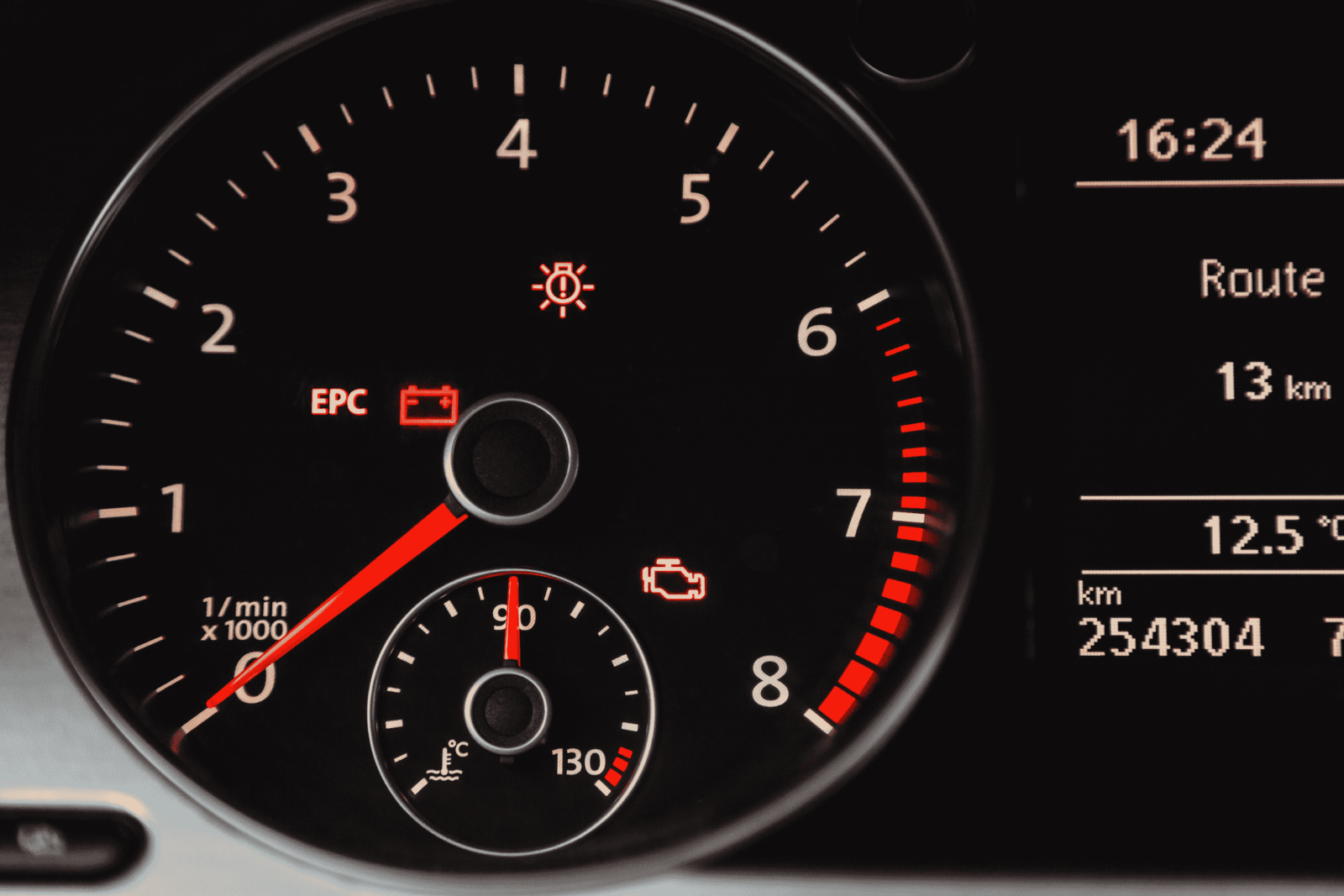
A blinking engine light in your Volkswagen is never something to ignore. It’s your car’s way of telling you that something serious is wrong—usually an engine misfire. Acting quickly can save you from expensive repairs, keep your car running longer, and protect your safety on the road.
Remember, even if you’re not a car expert, you can take smart steps: slow down, pull over, check for danger, and get help from a trusted mechanic. Investing a little time and attention now can prevent a lot of trouble later. And the more you learn about your VW, the better prepared you’ll be next time that little orange light starts to blink.
Credit: www.dependablecarcare.com