
When you see a blinking glow plug light on your VW dashboard, it’s hard not to worry. Is your car about to break down? Is it safe to drive? Many Volkswagen drivers have faced this blinking light, but few know exactly what it means or what to do next. The truth is, this warning is more than just a sign of a bad glow plug. It can point to many different problems—some minor, some serious.
For people who don’t speak English as their first language, understanding car warnings can be even more confusing. This guide will help you understand why the VW blinking glow plug light appears, what it could mean for your car, and how you can solve the problem.
You’ll also learn how to avoid common mistakes, and what steps to take before visiting a mechanic. By the end, you’ll feel more confident about handling this important warning.
What Is The Glow Plug Light?
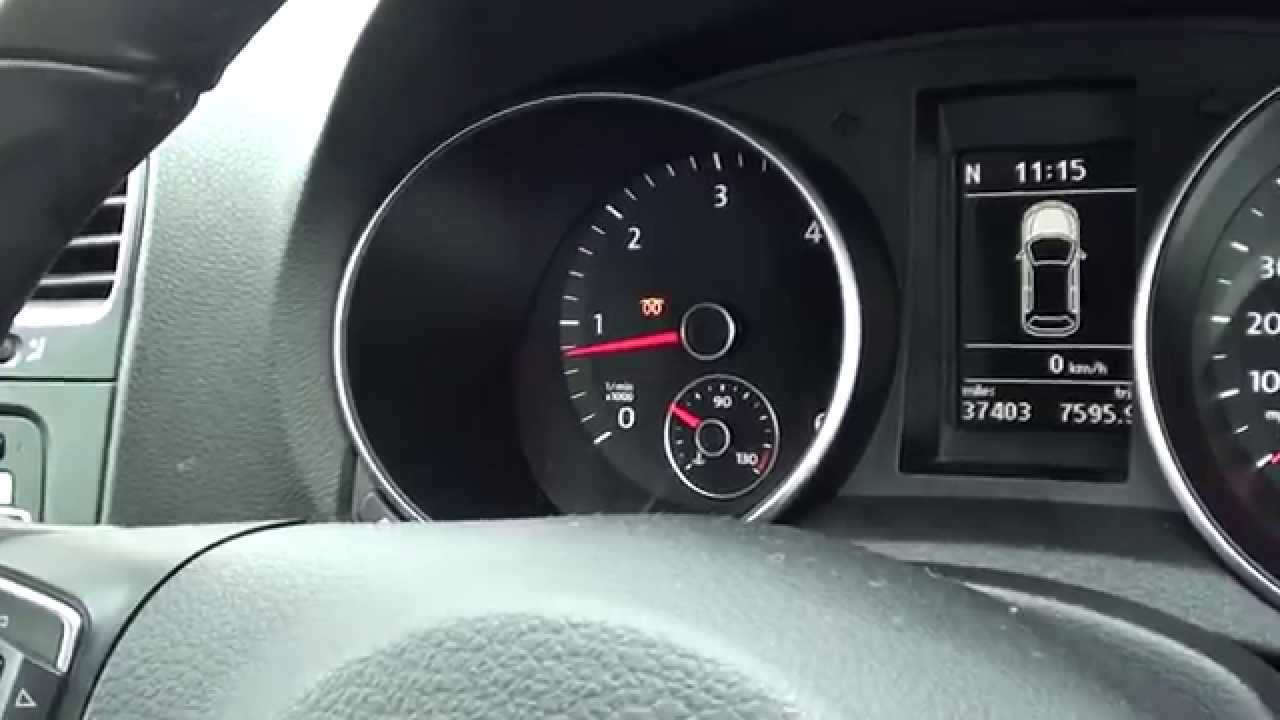
The glow plug light is a small symbol that looks like a coil or a spring. It usually appears on the dashboard of Volkswagen diesel vehicles. Its main job is to show the status of the glow plugs, which are special heaters that help your car start in cold weather.
When you turn the ignition, the glow plug light will come on for a few seconds. This is normal—it means the system is warming up. If your engine starts smoothly, the light goes off, and you can drive as usual. However, if the glow plug light starts blinking, it means there’s a problem.
Glow Plug Light Vs. Check Engine Light
Many drivers confuse the glow plug light with the check engine light. While both are warning lights, they mean different things. The check engine light is for general engine problems—anything from loose gas caps to serious engine damage. The glow plug light, however, is mostly related to the diesel engine system and its electronic controls.
Why Does The Glow Plug Light Blink?
A blinking glow plug light is a warning. It usually points to a fault in your car’s engine management system, not just the glow plugs. This can mean problems with sensors, the fuel system, emissions, or even the brakes.
Some common reasons for a blinking glow plug light in Volkswagen cars include:
- Faulty brake light switch: Surprisingly, a common reason for a blinking light is a broken brake light switch.
- EGR valve issues: Problems with the Exhaust Gas Recirculation valve can trigger the light.
- Faulty engine sensors: Mass airflow sensor or crankshaft sensor issues can cause the warning.
- Glow plug or relay failure: The most obvious cause—one or more glow plugs or the relay has failed.
- Wiring problems: Broken or corroded wires can interrupt signals.
- Diesel particulate filter (DPF) issues: Blocked or malfunctioning filters can cause blinking.
- Fuel injection problems: Bad injectors or pumps also trigger the warning.
- ECU (engine computer) errors: Sometimes, the main computer itself has a fault.
Notably, the glow plug light is not always about the glow plugs themselves. It’s a general fault warning for the engine’s electronics in diesel VWs.
Credit: www.reddit.com
How Does The Glow Plug System Work?
Glow plugs are small heaters in each cylinder of a diesel engine. Diesel needs high temperature to ignite, especially when the engine is cold. The glow plug heats up the air and fuel mixture, making it easier for the engine to start.
Here’s a simplified overview of the system:
- Glow plug relay: Sends power to the glow plugs.
- Engine control unit (ECU): Decides when to activate the glow plugs, based on temperature and other sensors.
- Sensors: Monitor engine temperature, fuel, and air flow.
- Glow plugs: Heat up to help the engine start.
If any part of this system fails, you might get a blinking glow plug light.
What Should You Do If The Glow Plug Light Is Blinking?
If you see a blinking glow plug light while driving, don’t panic. Follow these steps:
- Check your brake lights: In many VW models, a broken brake light switch is a common cause. Ask someone to check if your brake lights work when you press the pedal.
- Drive carefully: If the car still drives normally, you can continue, but avoid long trips or high speeds until the issue is fixed.
- Read the fault codes: Use an OBD-II scanner to read error codes from the car’s ECU. Many auto parts stores will do this for free.
- Check for other warnings: If the check engine light or other warnings appear, the problem might be more serious.
- Turn off and restart the engine: Sometimes, a simple restart will clear a temporary error. If the light comes back, the problem is real.
- Call a mechanic: If you can’t find the problem or if the car drives poorly, get professional help.
Ignoring a blinking glow plug light can lead to bigger problems. For example, a faulty sensor could cause your car to run poorly, waste fuel, or even damage the engine over time.
Common Causes And How To Diagnose Them
Let’s look at the most frequent reasons for a blinking glow plug light in Volkswagens, along with tips on diagnosing each one.
Brake Light Switch Failure
This small switch sits near the brake pedal. If it breaks, your brake lights won’t work, and the glow plug light will blink.
- How to check: Press the brake pedal and watch the brake lights. If they don’t light up, the switch is likely bad.
- Fix: Replacement is simple and cheap. Many people can do it themselves.
Faulty Egr Valve
The EGR (Exhaust Gas Recirculation) valve reduces emissions by sending some exhaust gas back into the engine. If it fails, it can cause the warning light.
- Symptoms: Rough idle, loss of power, more smoke from the exhaust.
- How to check: A mechanic can scan the ECU for EGR-related error codes.
Glow Plug Or Relay Problems
If a glow plug or the relay fails, starting becomes hard, especially when cold.
- Symptoms: Hard starting, rough running after startup.
- How to check: A mechanic can test the glow plugs with a meter. Relays are harder to test but are a common failure point.
Sensor Issues
Sensors like the mass airflow sensor or crankshaft position sensor are essential for engine function.
- Symptoms: Poor acceleration, stalling, rough idle.
- How to check: Scan for error codes. Visual checks for dirty or damaged sensors help too.
Wiring Faults
Wires can break, corrode, or become loose, especially in older cars.
- Symptoms: Intermittent issues, sometimes the warning light blinks only when hitting bumps.
- How to check: Visual inspection for damaged wires, especially near the engine and sensors.
Diesel Particulate Filter (dpf) Problems
The DPF traps soot from diesel exhaust. If it blocks, you may see a blinking glow plug light.
- Symptoms: Loss of power, increased fuel use, more smoke.
- How to check: Check for DPF-related error codes. Sometimes, a forced regeneration is needed.
Fuel System Problems
Bad injectors or fuel pumps can cause engine trouble and warnings.
- Symptoms: Misfire, poor performance, hard starting.
- How to check: Listen for odd noises, scan for codes, or have a professional test the system.
Ecu Issues
Rarely, the car’s computer (ECU) fails.
- Symptoms: Multiple warning lights, unpredictable behavior.
- How to check: Only a professional can confirm this.
The table below compares some of the most common causes and their symptoms:
| Cause | Common Symptoms | DIY Fix? |
|---|---|---|
| Brake Light Switch | No brake lights, blinking glow plug light | Yes |
| EGR Valve | Rough idle, smoke, loss of power | No |
| Glow Plug / Relay | Hard starting, rough running | Yes / No |
| Sensors | Poor acceleration, rough idle | Sometimes |
| Wiring | Intermittent warning, odd behavior | Sometimes |
| DPF | Loss of power, increased fuel use | No |
How To Read Fault Codes (obd-ii)
Modern Volkswagens have an OBD-II (On-Board Diagnostics) port. With a simple scanner, you can read trouble codes and get clues about what’s wrong.
- Find the OBD-II port: Usually under the dashboard, near the driver’s seat.
- Plug in the scanner: You can buy a basic scanner for under $30.
- Turn the key to “On”: Don’t start the engine.
- Read the codes: The scanner will display codes like P0671 (glow plug circuit) or P0401 (EGR flow).
- Look up the codes: Use the scanner’s manual or search online for the meaning.
Knowing the codes can save you money. You’ll have a better idea of what needs fixing and avoid paying for unnecessary repairs.
Can You Drive With A Blinking Glow Plug Light?
It depends on the cause. If the car drives normally and there are no other warnings, you can usually drive for a short time. However, if you notice any of these, stop driving and get help:
- Loss of power
- Excessive smoke
- Engine shaking or stalling
- Other warning lights (like engine or oil pressure)
Remember, ignoring the blinking light could lead to expensive repairs. For example, a small electrical fault could cause the engine to run badly, damaging the DPF or injectors.
How To Prevent Glow Plug Light Problems
You can reduce your chances of seeing the blinking glow plug light by following some simple steps:
- Regular maintenance: Change oil, filters, and fuel on schedule.
- Use good quality diesel: Poor fuel can clog injectors and filters.
- Fix small problems quickly: Don’t wait if you notice odd smells, noises, or performance drops.
- Inspect wiring: Look for cracked or damaged wires.
- Update software: Sometimes, a dealer update can fix ECU problems.
- Drive long enough to regenerate DPF: Short trips can block the filter.
Many drivers miss that electrical issues—not just mechanical failures—are a major cause of the blinking light. Another insight: even something unrelated, like a brake light switch, can trigger the warning.
Diy Fixes For Common Causes
Some problems that trigger the blinking glow plug light are easy to fix at home. Here are a few examples:
Replacing The Brake Light Switch
- Time needed: 15-30 minutes
- Tools needed: Screwdriver, maybe a wrench
- Steps:
- Find the switch near the top of the brake pedal.
- Unplug the connector and remove the switch (often a twist or small screws).
- Install the new switch and reconnect.
- Test the brake lights.
Changing A Glow Plug
- Time needed: 30-60 minutes
- Tools needed: Socket set, possibly a torque wrench
- Steps:
- Remove the engine cover.
- Disconnect the electrical connector from the glow plug.
- Unscrew and remove the old plug.
- Install the new plug, using the correct torque.
- Reconnect and test.
Cleaning The Mass Airflow Sensor
- Time needed: 20 minutes
- Tools needed: Screwdriver, mass airflow sensor cleaner
- Steps:
- Disconnect the battery.
- Remove the sensor from the air intake.
- Spray with cleaner, let dry, and reinstall.
These fixes can solve many common issues, but if the problem is deeper—like a bad EGR valve or wiring—you’ll need professional help.
Cost Of Repairs
Repair costs vary based on the cause. Here’s a rough guide for common fixes:
| Repair | Estimated Cost (USD) | DIY Possible? |
|---|---|---|
| Brake Light Switch | $20-$60 | Yes |
| Glow Plug | $50-$120 per plug | Yes |
| Glow Plug Relay | $80-$180 | Maybe |
| EGR Valve | $300-$900 | No |
| Mass Airflow Sensor | $150-$350 | Yes |
| DPF Regeneration | $150-$400 | No |
Always get a quote before agreeing to repairs. Prices can change based on your location and VW model.

Credit: forums.tdiclub.com
When To See A Mechanic
Some situations need a professional, even if you like DIY repairs:
- Multiple warning lights: More than one light could mean a complex fault.
- Car won’t start: Beyond a dead battery or obvious issue.
- Smoke or strange smells: Could be a sign of engine or electrical problems.
- Repeated blinking after fixes: If the warning returns after you fix something, the problem may be deeper.
A good mechanic will check the codes, diagnose the fault, and fix the problem safely.
What If The Problem Returns?
If you fix the issue but the glow plug light blinks again, check these possibilities:
- Faulty replacement part: Cheap or low-quality parts often fail quickly.
- Missed problem: Sometimes, fixing one issue hides another.
- Software update needed: Dealers sometimes update the ECU software to fix bugs.
If you keep seeing the blinking light, ask a VW specialist for help. Some complex issues need special tools or knowledge.
How Volkswagen Has Improved The System
Volkswagen has updated its electronics and engine management in recent years. Newer models use advanced sensors and better software to reduce false warnings.
- Improved glow plugs: Last longer and fail less often.
- Better wiring and connectors: Reduced corrosion problems.
- Advanced diagnostics: Easier for mechanics to find real faults.
However, even the newest models can still show the blinking glow plug light for a variety of reasons. Regular maintenance remains important.
Comparison: Vw Vs. Other Brands
How does Volkswagen’s system compare to other brands? Here’s a quick look:
| Brand | Glow Plug Light Used? | Common Causes of Blinking |
|---|---|---|
| Volkswagen | Yes | Brake switch, EGR, sensors, DPF |
| Audi | Yes (similar system) | Brake switch, EGR, sensors |
| BMW | No (uses check engine light) | Sensors, DPF, injectors |
| Ford (diesel) | Yes | Sensors, glow plugs, fuel |
| Toyota (diesel) | No (engine light) | Glow plugs, sensors |
Volkswagen’s system is more likely to use the blinking glow plug light for a wide range of faults, not just glow plug problems.
Credit: www.youtube.com
Tips For Non-native English Drivers
If English is not your first language, car warnings can be hard to understand. Here are some tips:
- Learn the dashboard symbols: A quick Google search can show you each symbol’s meaning.
- Ask for error codes: Mechanics can give you the code numbers, which you can search for translations online.
- Use translation apps: These can help you understand repair bills or instructions.
- Join online forums: Places like VW forums often have answers in multiple languages.
For more information about dashboard warning lights and their meanings, see Wikipedia’s article on check engine lights.
Frequently Asked Questions
What Does The Blinking Glow Plug Light Mean On My Vw?
It’s a warning from your car’s electronic system, not just the glow plugs. It often means there’s a problem with the engine sensors, emissions, or even the brake light switch.
Is It Safe To Drive With The Glow Plug Light Blinking?
If the car drives normally and there are no other warnings, you can drive short distances. But get the problem checked soon—serious problems can develop if ignored.
Can I Fix The Blinking Glow Plug Light Myself?
Some causes, like a broken brake light switch or a bad glow plug, are easy to fix at home. More complex issues, like EGR or wiring problems, need a mechanic.
How Do I Reset The Glow Plug Light?
Fix the underlying problem first. The light will usually turn off after repairs and a few drive cycles. If not, a mechanic can reset it with a scanner.
Does A Blinking Glow Plug Light Mean My Car Will Fail Inspection?
It can. Many places won’t pass a car with warning lights on, especially emissions-related faults. Always fix the problem before a vehicle inspection.
Conclusion
The VW blinking glow plug light is more than a simple warning. It’s your car’s way of telling you something needs attention—sometimes urgent, sometimes minor. By understanding what the light means, how to diagnose the cause, and what to do next, you can avoid bigger problems, save money, and drive with confidence.
Whether you’re a new driver or have owned Volkswagens for years, staying informed is the best way to keep your car running smoothly.