
For many Toyota Sienna owners, seeing the tire pressure light blinking is confusing and sometimes worrying. This warning can appear while driving, or just after starting the car. Unlike a solid tire pressure light—often meaning one or more tires are under-inflated—a blinking light signals a different problem. It’s not always about air pressure. Sometimes, it points to a system malfunction. Understanding what this means, and how to respond, can save you money and prevent unsafe driving. This article explores the reasons behind a blinking tire pressure light on Toyota Sienna, how to diagnose the issue, solutions, and tips to avoid future problems. You’ll also find practical examples, expert advice, and answers to the most common questions.
What Does The Blinking Tire Pressure Light Mean?
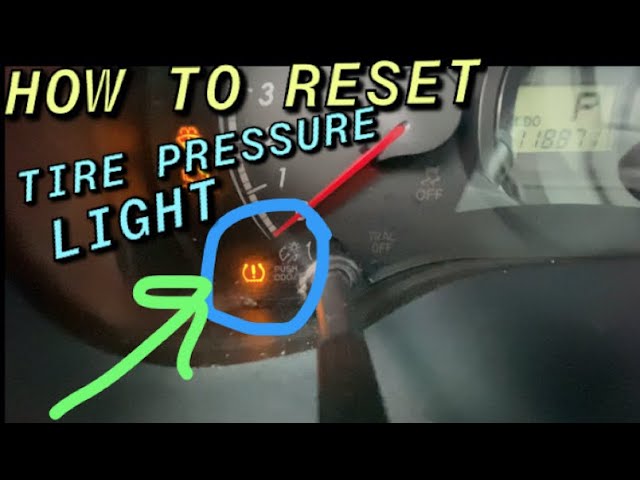
The tire pressure light is part of the TPMS (Tire Pressure Monitoring System) in your Toyota Sienna. It checks the air pressure in each tire and alerts you if one or more tires are low. When the light is solid, it’s usually simple: check your tires and add air.
A blinking tire pressure light is different. It usually means the system itself is not working right. The TPMS is trying to tell you: “I can’t read your tire pressures correctly.” This can happen for several reasons:
- One or more sensors are broken or missing
- The sensors’ batteries are dead
- There’s interference or wiring issues
- TPMS module itself has a fault
After blinking for about a minute, the light may stay on solid. This means the system needs attention. Many drivers confuse a blinking light with a regular low-pressure warning, but the blinking light is about the system, not the tires.
Common Causes Of A Blinking Tire Pressure Light
Let’s look at the most frequent reasons your Toyota Sienna’s tire pressure light blinks. Each cause has its own symptoms and solutions.
1. Dead Or Weak Tpms Sensor Battery
TPMS sensors are inside each wheel, usually connected to the valve stem. They have a small battery that lasts 5–10 years, depending on the sensor. When the battery gets weak or dies, the sensor can’t send data. Your Sienna’s TPMS system notices this and starts blinking the warning light.
Signs:
- Light blinks, then stays on solid
- No pressure reading for the affected tire
Solution:
- Replace the sensor in the affected wheel. Each sensor costs $40–$100 plus installation.
2. Damaged Or Missing Tpms Sensor
If you recently changed tires, got new wheels, or had tire repairs, sometimes the sensor gets damaged or is not installed correctly. The system can’t read from the missing sensor, so it blinks the warning light.
Signs:
- Light blinks after tire work
- TPMS can’t read one or more tires
Solution:
- Check all four wheels for sensors
- If missing, install new sensor
3. Tpms System Malfunction
Sometimes, the issue is deeper. The TPMS control module or wiring can fail. This is rare, but it happens as your Sienna gets older or if there’s water damage, corrosion, or electrical faults.
Signs:
- Light blinks even after sensors are checked
- All sensors seem fine, but system still blinks
Solution:
- Diagnose with a scan tool
- Repair or replace TPMS module
4. Interference Or Signal Issues
Other electronics, nearby radio signals, or even weather can sometimes block sensor signals. This is uncommon, but some Sienna drivers notice the light blinking in certain areas (near power lines, airports, etc. ).
Signs:
- Light blinks only in specific places
- Returns to normal elsewhere
Solution:
- Usually resolves by itself
- If persistent, check for sensor damage
5. Incorrect Tire Or Wheel Installation
After changing tires or wheels, some shops forget to re-program sensors. If sensors are not paired to your Sienna, the TPMS can’t read them, and the light blinks.
Signs:
- Blinking light after tire/wheel changes
- TPMS doesn’t recognize sensor IDs
Solution:
- Re-program TPMS sensors with a scan tool
6. Low Tire Pressure (rare For Blinking Light)
While low pressure usually causes a solid light, in rare cases, a blinking light can appear if the system is confused—especially with new sensors or after battery reset.
Signs:
- Tire looks low, light blinks
Solution:
- Check and inflate tires to recommended pressure

Credit: www.samlemantoyotabloomington.com
How Toyota Sienna’s Tpms Works
Understanding the system helps you solve problems faster. The Toyota Sienna uses a direct TPMS. Sensors inside each tire measure air pressure and send data wirelessly to the car’s computer. The system checks:
- Air pressure in each tire
- Sensor battery health
- Sensor signal strength
If anything is wrong, the warning light appears on the dashboard. The system is designed for safety—low pressure can lead to poor braking, bad handling, and even tire blowouts.
Tpms Sensor Location And Type
Most Siennas (2011 and newer) use valve stem sensors. Older models may use band-type sensors attached inside the wheel. Both types send real-time data.
Tpms System Comparison
Here’s how Toyota Sienna’s TPMS compares to other systems:
| System Type | Sensor Location | Reads Real Pressure? | Common Issues |
|---|---|---|---|
| Direct TPMS (Sienna) | Inside each wheel | Yes | Sensor battery, sensor damage |
| Indirect TPMS | ABS wheel speed sensor | No (estimates) | Calibration errors, inaccurate readings |
| Hybrid TPMS | Combination | Sometimes | Complex setup, false alarms |
Direct TPMS is more accurate but can have sensor battery issues, leading to blinking lights.
Diagnosing The Blinking Tire Pressure Light
If the tire pressure light blinks in your Toyota Sienna, you can do some checks before heading to a mechanic.
Step 1: Check Tire Pressure
Start with the basics. Use a gauge to check all four tires. Toyota recommends:
- Front tires: 35 psi
- Rear tires: 35 psi
If any tire is low, fill it. If the light turns solid, the issue was just low pressure.
Step 2: Inspect Tpms Sensors
Look at each wheel’s valve stem. If the stem is metal and thick, it’s likely a TPMS sensor. If you recently changed tires, check for missing or broken sensors.
Step 3: Scan For Error Codes
Many auto parts stores offer free scan tool checks. These tools read codes from the TPMS system. Common codes include:
- C2121–C2124: Sensor battery low or no signal
- C2179: TPMS module fault
Write down the codes and compare with Toyota’s service guide.
Step 4: Check Sensor Ids
Each sensor has a unique ID. If you changed wheels or got new sensors, the car may not recognize them. You can check this with a TPMS scan tool.
Step 5: Look For Interference
Ask yourself: Does the light blink only in certain places? If so, interference might be the problem. Wait or drive elsewhere to see if the issue resolves.
Diy Vs. Professional Diagnosis
Some issues are easy to spot and fix—like low air. Others, like sensor battery or module faults, require tools and knowledge. Many Sienna owners can check tire pressure, but for sensor replacement or programming, it’s best to visit a tire shop or dealer.

Credit: www.reddit.com
How To Fix A Blinking Tire Pressure Light
After diagnosing, you can choose the best solution.
Replacing Tpms Sensors
If a sensor battery is dead or the sensor is broken, replace it. Most shops can do this in 30–60 minutes. You’ll need:
- The correct sensor (OEM or compatible)
- TPMS scan tool for programming
Cost: $40–$100 per sensor, plus labor ($20–$40 per wheel).
Re-programming Sensors
If you installed new sensors or changed wheels, the system needs to “learn” the new sensor IDs. Most shops or dealers have the tool to do this.
Steps:
- Connect scan tool to OBD-II port
- Enter sensor IDs
- System recognizes new sensors
This solves the blinking light if sensors are not paired.
Repairing Tpms Module
If the module itself is faulty, it may need repair or replacement. This is rare and expensive—$300–$600 parts and labor.
Resetting The System
After fixing, you may need to reset the system. For many Sienna models:
- Turn ignition ON (not start)
- Press and hold the TPMS reset button (under dashboard) until the light blinks three times
- Start the car and drive for a few miles
This helps the system re-learn sensor signals.
When To See A Mechanic
If you’ve checked air pressure, inspected sensors, and tried resetting—but the light still blinks—it’s time for a professional diagnosis. Dealers have special tools for deeper problems.
Preventing Tpms Problems In Toyota Sienna
A few simple habits can help you avoid blinking tire pressure lights:
- Check tire pressure monthly — Use a reliable gauge.
- Replace sensors every 5–7 years — Batteries don’t last forever.
- Use OEM sensors — Avoid cheap aftermarket sensors that may not work well.
- Tell your tire shop about TPMS — Remind them to handle sensors carefully.
- Avoid water and salt damage — Clean wheels regularly, especially in winter.
Tpms Sensor Lifespan Table
Here’s how sensor battery life compares by model year:
| Model Year | Sensor Type | Average Battery Life | Replacement Cost |
|---|---|---|---|
| 2011–2015 | Valve stem | 7–10 years | $60 per sensor |
| 2016–2020 | Valve stem | 5–8 years | $80 per sensor |
| 2021–present | Valve stem | 5–7 years | $100 per sensor |
Replacing sensors before battery dies prevents blinking lights and system errors.
Real-life Examples And Insights
Many Sienna owners share stories online. Here are a few cases:
- 2017 Sienna: Light started blinking after a tire rotation. The shop forgot to re-program sensors. After a quick re-learn, the light stopped blinking.
- 2014 Sienna: Owner noticed blinking light after winter. Sensor battery died in one tire. Replacing that sensor solved the issue.
- 2020 Sienna: Light blinked only near a local airport. After leaving the area, the light stopped. Interference from radio signals was the cause.
Non-obvious Insights
- TPMS sensors are not always included with aftermarket wheels. If you buy new wheels, check if sensors are installed, or you’ll face blinking lights.
- Temperature changes can affect sensor readings. Cold weather lowers tire pressure, and sometimes sensors struggle to send signals, leading to blinking lights.
Safety Risks Of Ignoring A Blinking Tire Pressure Light
Driving with a blinking TPMS light is risky. The system can’t warn you about low tire pressure, so you may not notice a flat or low tire. This can lead to:
- Poor handling: Harder to steer, especially in rain or snow
- Longer stopping distance: Brakes work less well
- Tire blowouts: Sudden loss of air can cause accidents
- Premature tire wear: Uneven tires wear faster
It’s best to fix the system quickly. You don’t want to rely only on visual checks—some tires lose air slowly, and you won’t notice until it’s too late.
Credit: www.youtube.com
Cost Comparison: Fixing Vs. Ignoring
Let’s look at the costs:
| Fixing TPMS | Ignoring TPMS |
|---|---|
| $40–$100 per sensor | Risk of tire blowout ($200–$500 per tire) |
| $20–$40 labor per wheel | Poor fuel economy (extra $50–$100/year) |
| $300–$600 for module repair | Unsafe driving, higher accident risk |
Fixing the blinking light is cheaper and safer in the long run.
When Should You Replace Tpms Sensors?
Most experts recommend replacing sensors every 5–7 years, even if the light hasn’t blinked yet. Here’s why:
- Battery life is limited, even if the sensor works fine now
- Older sensors may give false readings
- New sensors are more reliable and accurate
If you’re unsure of your sensor’s age, ask your tire shop to check. They can scan sensor IDs and see battery status.
Can You Drive With A Blinking Tire Pressure Light?
You can drive, but it’s not safe. The system won’t warn you about real tire problems. If you must drive, check tire pressure manually every few days. Schedule a repair soon.
Diy Tips: Resetting And Troubleshooting
Some Sienna owners try these steps:
- TPMS reset button: Hold for 3–5 seconds, watch for blinking
- Drive at 30+ mph for 10–15 minutes: Helps sensors re-sync
- Disconnect battery for a minute: Resets car’s computer
If these steps don’t work, the sensor or module likely needs repair.
High-authority Resource
If you want to read more about TPMS systems and their warning lights, visit the official National Highway Traffic Safety Administration (NHTSA) site for detailed safety information.
Frequently Asked Questions
Why Is My Toyota Sienna Tire Pressure Light Blinking After New Tires?
Most likely, the TPMS sensors were not re-programmed or installed correctly. Tire shops sometimes forget to pair new sensors with your car’s computer. Ask your shop to re-learn sensor IDs using a scan tool.
Can I Drive Safely With The Blinking Tire Pressure Light?
It’s not recommended. The TPMS won’t alert you to real tire problems. Always check air manually if you must drive, but fix the system soon for safe driving.
How Much Does It Cost To Fix The Blinking Tire Pressure Light?
Replacing a TPMS sensor costs $40–$100, plus labor. Re-programming sensors is $20–$40 per wheel. Module repairs are much more expensive, $300–$600. DIY resets are free but don’t always solve the issue.
How Do I Reset The Tpms System In My Toyota Sienna?
Turn the ignition ON, press and hold the TPMS reset button (usually below the dashboard) for about 3 seconds until the light blinks. Then drive for a few miles. If the problem persists, a scan tool is needed.
Is The Blinking Tire Pressure Light Always A Sensor Problem?
Most of the time, yes. Blinking means the TPMS can’t read sensor data. Sometimes, interference or module faults are the cause. Check sensors first, then get a scan if needed.
Seeing the tire pressure light blinking in your Toyota Sienna doesn’t need to ruin your day. With a little knowledge and the right steps, you can diagnose and fix the issue. Proper tire care and regular sensor checks keep your Sienna safe and reliable. Don’t ignore the warning—your tires and safety depend on it.