
SolarEdge Green Light Blinking: What It Means and What to Do
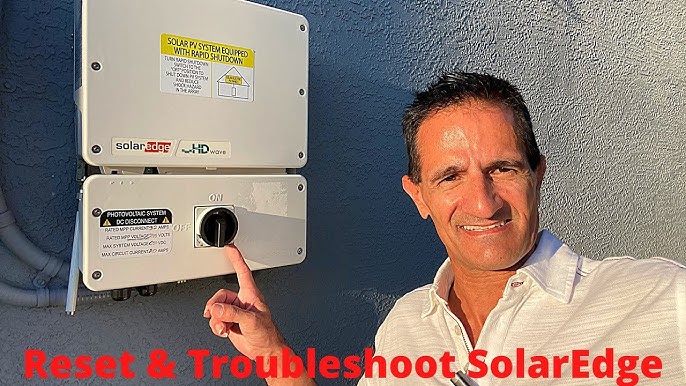
Solar energy is changing how homes and businesses use power. One of the most popular brands in this field is SolarEdge, known for its smart inverters and monitoring solutions. If you own a SolarEdge inverter, you may have seen a green light blinking on the unit. For many, this blinking is confusing or worrying. Is your system working? Is there a problem? Understanding the meaning of the SolarEdge green light blinking can help you keep your system running smoothly and avoid unnecessary stress.
In this article, you’ll learn what the green light actually means, why it blinks, when it signals normal operation versus a fault, and what steps you can take if you notice unusual blinking patterns. We’ll also look at real-world examples, data, and troubleshooting tips.
This guide is especially useful for non-native English speakers, as it uses simple words and clear explanations.
What Does The Solaredge Green Light Indicate?
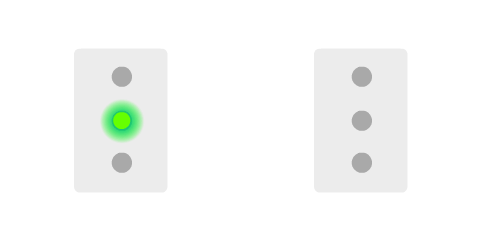
Let’s start with the basics. The green light on a SolarEdge inverter is a status indicator. It gives you information about the system’s current state.
- Solid green light means the inverter is working and producing power.
- Blinking green light can mean several things, depending on the pattern and context.
SolarEdge uses LED lights to make it easy to check the inverter’s health. The green light is the most important for owners because it tells you if the system is running as expected.
Common Patterns For The Green Light
The green light can be:
- Solid (always on)
- Blinking slowly
- Blinking quickly
- Off
Each pattern has a different meaning. For most users, seeing the green light blink is normal, but sometimes it signals an issue.
Why Does The Green Light Blink?
The blinking green light is a form of communication. It tells you what the inverter is doing at that moment.
Normal Operation
Most often, a blinking green light means the inverter is communicating with the SolarEdge monitoring platform. This is a good sign. The inverter is sending data about your solar system’s performance.
Slow blinking (about once every second) usually means:
- The inverter is connected to the grid
- It’s communicating with the monitoring server
- Power production is normal
Fast blinking (several times per second) can mean:
- The inverter is trying to connect to the monitoring server
- It’s in the process of starting up
Startup And Shutdown
When the inverter starts up in the morning, the green light may blink as it connects to the grid and monitoring system. If the inverter shuts down at night or during cloudy weather, the green light may also blink or turn off.
Communication Issues
If the green light blinks in unusual patterns, it could mean a problem with communication:
- No internet connection
- Server not responding
- Firmware update in progress
Credit: www.youtube.com
Decoding Blink Patterns: What Each Type Means
Understanding the blink pattern is important. Here is a simple breakdown:
| Green Light Pattern | Meaning | Action Required |
|---|---|---|
| Solid green | Normal operation | None |
| Slow blink | Connected, sending data | None |
| Fast blink | Connecting or updating | Wait, check later |
| Off | No power or fault | Check system |
The most common pattern is the slow blink. If your inverter shows this, it’s usually fine.
Real-life Example: Homeowner’s Experience
Imagine you have a SolarEdge inverter installed in your home. You notice the green light blinking every second. You check your monitoring app, and everything looks normal. This means your system is working and sending data.
Now, suppose the green light starts blinking quickly. You notice the system isn’t reporting data online. This could mean the internet connection is lost, or the inverter is updating its software.
In rare cases, the green light goes off completely. This is a warning sign. It might mean the inverter isn’t receiving power, or there’s a fault.
Comparing Solaredge Blink Patterns To Other Brands
SolarEdge is not the only company using LED indicators. How does its system compare?
| Brand | Green Light Function | Blink Patterns | Ease of Understanding |
|---|---|---|---|
| SolarEdge | Status & Communication | Solid, slow blink, fast blink | Clear for most users |
| Enphase | Status & Error | Solid, blink, color changes | Can be confusing |
| Fronius | Status & Fault | Solid, blink, off | Simple but less detail |
SolarEdge’s blinking patterns are designed to be easy to read, but many users still find them unclear. That’s why knowing the meanings is important.
How To Respond To A Blinking Green Light
Not all blinking is bad. Here are steps to take if you notice your SolarEdge green light blinking:
- Check the monitoring app: Use SolarEdge’s online platform or mobile app to see if your system is producing power.
- Observe the blink pattern: Is it slow or fast? Is the light turning off or changing color?
- Look for error messages: SolarEdge inverters will show errors on their screen or in the app.
- Check your internet connection: If the inverter can’t connect, the green light may blink faster.
- Wait a few minutes: Sometimes, the inverter is updating or restarting.
If all else fails, contact your installer or SolarEdge support.
Common Mistakes When Checking Inverter Lights
Many homeowners make errors when reading their inverter’s LED lights. Here are some common mistakes:
- Thinking any blinking means a fault: Most blinking is normal, especially during communication.
- Ignoring the blink speed: Slow and fast blinks mean different things.
- Not checking the monitoring app: The app gives more detail than the LED light.
- Resetting the inverter unnecessarily: Only reset if you see a clear error message.
Troubleshooting Steps For Unusual Blinking
If your green light is blinking in a way you don’t recognize, follow these steps:
- Check power supply: Make sure the inverter is getting electricity.
- Restart the inverter: Turn it off, wait 1 minute, then turn it back on.
- Check internet/router: If the inverter is not connected, fix your Wi-Fi.
- Review SolarEdge app: Look for alerts or error codes.
- Contact support: If you see error codes or no improvement, reach out to SolarEdge.
Example Troubleshooting Scenario
Suppose your inverter’s green light blinks quickly all day. You check the app and see “No communication with server. ” You restart the router, and the blinking slows. The app now shows normal data. The issue was a lost internet connection.
Technical Details: How The Inverter Uses Leds
SolarEdge inverters use LEDs to show their operational status. The green LED is connected to the inverter’s internal software. When the inverter starts up, it checks for:
- Grid connection
- Communication with monitoring server
- Firmware status
Depending on these checks, the green light will blink at different speeds.
Data On Inverter Communication
SolarEdge reports that over 95% of their inverters send daily data to the monitoring platform. If communication drops, the green LED will blink fast to signal a problem.
Firmware Updates And The Green Light
Sometimes, the inverter updates its software (firmware). During this process:
- The green light may blink quickly
- The inverter may restart automatically
- Power production may pause for a few minutes
This is normal and usually finishes in less than 10 minutes. You do not need to do anything unless the blinking continues for hours.
Safety Precautions When Troubleshooting
While most issues are minor, safety is important. Never touch electrical components unless you are trained. If you need to reset the inverter:
- Always turn off the main power first
- Wait for the inverter to stop completely
- Turn it back on after one minute
If you see sparks, smoke, or a burning smell, turn off the system and call a professional.
Differences In Green Light Behavior: Residential Vs Commercial
SolarEdge makes inverters for homes and businesses. The green light may behave slightly differently in larger systems.
| System Type | Green Light Pattern | Typical Communication Issues |
|---|---|---|
| Residential | Slow blink, fast blink | Wi-Fi or cellular drop |
| Commercial | Slow blink, fast blink, additional colors | Server overload, network errors |
Commercial systems may have extra lights for more detailed information.
Credit: www.solaredge.com
How To Improve Monitoring Reliability
If you want your system to always report data:
- Use a wired internet connection (Ethernet) instead of Wi-Fi
- Check your router regularly
- Update your inverter firmware when prompted
- Place the inverter in a cool, dry location
SolarEdge recommends checking your system monthly using their app.
Non-obvious Insights For Beginners
Many new users miss these important points:
- The green light blinking does NOT mean a power fault. Most blinking is just communication.
- Blinking patterns can change during firmware updates. Wait at least 10 minutes before taking action.
- If the green light is off, check for grid outages. Sometimes the inverter loses power because the grid is down, not because the inverter is faulty.
- Wi-Fi signal strength affects blinking. If your inverter is far from the router, it may blink quickly due to weak connection.
When Should You Call A Professional?
You do not need to call an expert for most blinking patterns. However, contact a professional if:
- The green light is off for more than 1 hour during daytime
- You see error messages like “Grid Fault” or “Over Temperature”
- The inverter smells burnt or shows physical damage
- The system is not producing any power for several days
Professionals can diagnose deeper issues and may use special tools to check the inverter’s internal logs.
Solaredge Monitoring App: Features And Benefits
The SolarEdge monitoring app lets you:
- See real-time power production
- Check inverter status remotely
- Receive alerts for faults or errors
- Track your system’s performance over time
Using the app can help you understand what the green light means without guessing. The app is available for iOS and Android.
Data: Solaredge System Reliability
According to SolarEdge, their inverters have a failure rate of less than 0.5% per year. Most blinking lights are not faults but normal communication signals. SolarEdge’s monitoring platform is used by over 1.2 million systems worldwide.
Comparing Communication Methods: Wi-fi Vs Ethernet Vs Cellular
Different communication methods affect how often the green light blinks.
| Method | Reliability | Common Blink Pattern | Best Use Case |
|---|---|---|---|
| Wi-Fi | Medium | Fast blink during drops | Home systems |
| Ethernet | High | Slow blink | Commercial/critical systems |
| Cellular | Medium | Fast blink if signal weak | Remote locations |
If your green light blinks quickly, consider switching to Ethernet for better reliability.
Credit: www.solaredge.com
How To Read Other Lights On The Inverter
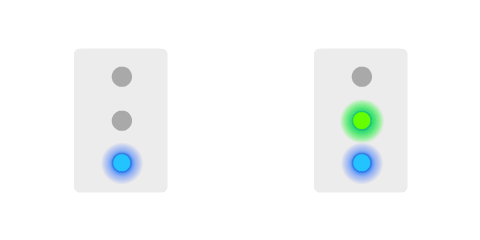
Besides the green light, SolarEdge inverters may have:
- Red light: Fault or error
- Blue light: Communication (Wi-Fi/Bluetooth)
- Yellow light: Warning or specific alert
Always check the combination of lights for a full picture.
Why Solaredge Uses Blinking Lights
SolarEdge chose blinking lights because:
- It’s easy for users to see status without opening the inverter
- It allows fast troubleshooting
- It works even if the monitoring app is offline
Blinking is a simple but effective way to communicate with homeowners.
Upgrading Your System: When Is It Needed?
If your inverter’s green light blinks often due to communication issues, you may need to upgrade:
- Wi-Fi extender: Improves signal for the inverter
- Firmware update: Fixes bugs and improves reliability
- New communication module: For older systems, adding Ethernet or cellular can help
Ask your installer if upgrades are available.
Official Resources And Support
SolarEdge provides manuals, troubleshooting guides, and customer support. For detailed technical information, visit the official SolarEdge website.
Frequently Asked Questions
Why Is My Solaredge Green Light Blinking?
A blinking green light usually means the inverter is communicating with the monitoring platform. Slow blinking is normal, but fast blinking can mean a lost internet connection or a firmware update.
What Should I Do If The Green Light Turns Off?
If the green light is off, check if your inverter is receiving power. Look for grid outages, blown fuses, or system faults. If you cannot find the cause, contact a professional.
Is Blinking Green Light A Sign Of A Fault?
No, most blinking is normal. Only if the blinking is fast and lasts a long time, or if the light turns off, should you worry.
How Can I Improve My Inverter’s Communication?
Use a wired Ethernet connection if possible. Place your inverter near the router, keep firmware updated, and check for Wi-Fi drops monthly.
Does The Green Light Pattern Change During Software Updates?
Yes, during firmware updates, the green light may blink quickly. It usually returns to normal after 10 minutes. If it stays fast for hours, contact support.
SolarEdge’s green light blinking is a helpful signal, not a warning. By learning the patterns and using monitoring tools, you can keep your solar system running smoothly. If you ever feel unsure, check the app, review the blink pattern, and reach out to experts.
Solar energy is reliable, and knowing what your inverter’s lights mean makes it even easier to manage.