
When you start your car and see the seatbelt light blinking, it grabs your attention right away. Most drivers know it means someone is not wearing their seatbelt, but the real story behind this warning is more complex. Modern cars use these alerts to help keep you and your passengers safe. Ignoring a blinking seatbelt light can lead to more than just an annoying beep—it could mean missing a real safety problem. In this article, you’ll learn what causes this light to blink, how to respond, and why it’s important for both safety and the law. Whether you drive daily or only sometimes, understanding this warning can help you avoid trouble and stay safe on the road.
What Does The Seatbelt Light Blinking Mean?
The seatbelt warning light is a small icon, usually showing a person with a belt across their chest. When it blinks, the car’s system is trying to tell you something urgent. The most common reason is simple: a seatbelt is not fastened when the car is moving or the engine is on. But there are other, less obvious reasons, too.
Common Causes
- Unfastened seatbelt: The driver or a passenger has not clicked their seatbelt into place.
- Faulty seatbelt buckle: Sometimes, the buckle sensor is damaged or dirty and doesn’t detect the belt even when fastened.
- Seat occupancy sensor issues: Some cars have sensors in the seat that detect if someone is sitting. If these are faulty, the light may blink even when the seat is empty.
- Electrical problems: Loose wiring, blown fuses, or a weak battery can cause the warning light to blink.
- Heavy objects on seats: Placing a bag or heavy item on a passenger seat can trick the sensor into thinking someone is sitting without a belt.
How The System Works
Modern cars use a seatbelt reminder system linked to the airbags and safety modules. The system checks if seats are occupied and if seatbelts are fastened. If the car moves or starts and a belt is unfastened, the light blinks and usually a sound plays. In some vehicles, the alert becomes more urgent if you ignore it.
Why The Seatbelt Light Matters
Ignoring a blinking seatbelt light can have real consequences. This warning is not just about following rules—it’s about your safety.
Safety Risks
- Unprotected in a crash: Seatbelts reduce the risk of death for front seat passengers by 45% and serious injury by 50%, according to the National Highway Traffic Safety Administration (NHTSA).
- Airbag effectiveness: Airbags are designed to work with seatbelts. Without a belt, airbags can cause injury instead of preventing it.
- False sense of security: If the system is malfunctioning and you ignore it, you may not know when real danger appears.
Legal Implications
Most US states have seatbelt laws. If the warning system is working and you ignore it, you could get a ticket. In some places, police can stop you just for a seatbelt violation. Fines range from $10 to over $100, and in some states, it adds points to your license.
Insurance Issues
If you’re in an accident and not wearing a seatbelt, some insurance companies may reduce your payout. They may argue that you made your injuries worse by not using the belt.

Credit: www.gofar.co
Troubleshooting The Seatbelt Light Blinking
When your seatbelt light blinks and you’re sure you’re buckled in, it’s time to check for other problems. Use these steps to find the cause.
Step 1: Check All Belts
Make sure every seatbelt is clicked in, even if nobody is sitting there. Sometimes, rear seats are not fully latched after folding them down.
Step 2: Look For Objects On Seats
Remove bags, boxes, or child seats that are not properly secured. These can trigger the seat sensor.
Step 3: Inspect The Buckle
Check for dirt, debris, or damage inside the buckle. Try fastening and unfastening the belt a few times.
Step 4: Restart The Car
Turn the car off, wait 30 seconds, then restart. Sometimes, the system resets.
Step 5: Check Fuses And Wiring
If you feel comfortable, check your car’s fuse box for any blown fuses related to the seatbelt system. Look under the seats for loose wires.
If the light stays on or keeps blinking, schedule a visit with your mechanic. It may need professional diagnosis.
Common Problems And Fixes
Some issues are more common than others. Here’s a look at what usually goes wrong and how to solve it.
| Problem | Possible Cause | What to Do |
|---|---|---|
| Blinking with belt fastened | Dirty or faulty buckle sensor | Clean or replace the buckle |
| Blinking with empty seat | Seat occupancy sensor issue | Reset or replace sensor |
| Blinking after car wash | Moisture in connectors | Let dry, check wiring |
| Intermittent blinking | Loose wiring | Secure connections |
Seatbelt Reminder Systems: How They Differ By Car
Not all cars use the same reminder system. Older cars may have only a simple light. Newer ones use sounds, dashboard messages, or even seat vibrations.
| Car Model Year | Type of Alert | Extra Features |
|---|---|---|
| Pre-2000 | Light only | None |
| 2000–2010 | Light + sound | Passenger seat sensor |
| 2011–present | Light, sound, dashboard message | Rear seat reminder, child seat detection |
Some luxury brands go further, using dashboard screens to show exactly which seat is not buckled.
When To See A Mechanic
If you’ve checked the basics and the seatbelt light still blinks, it’s time for expert help. Here’s when you shouldn’t wait:
- The light blinks even when all belts are fastened and no seats are occupied.
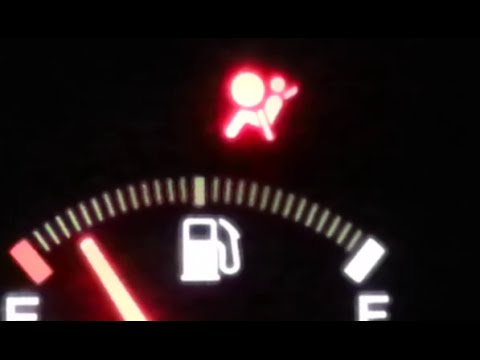
- The warning combines with other dashboard lights (like airbag or battery).
- You notice wiring issues or physical damage to the seatbelt or buckle.
- The alert comes and goes randomly while driving.
A mechanic can use diagnostic tools to read error codes from the car’s computer. This pinpoints the exact fault, saving time and money.
How To Prevent Seatbelt Light Problems
Simple habits and care can stop most seatbelt warning issues before they start.
- Keep buckles clean: Food, dust, or coins can block the sensor.
- Check after folding seats: Make sure seatbelts are not twisted or stuck after using split-fold seats.
- Avoid heavy bags on seats: Use the floor or trunk for large items.
- Regular maintenance: Ask your mechanic to check seatbelt systems during routine service.
- Watch for recalls: Sometimes, car makers recall vehicles for seatbelt or sensor issues. Check for recalls using your VIN at your car maker’s website or NHTSA.
Real-world Examples And Data
Seatbelt warning systems save lives, but only if they work and drivers pay attention.
- According to NHTSA, seatbelt use in the US was 91.6% in 2022, up from 70.7% in 2000. This rise is partly due to better reminders and stricter laws.
- In 2021, almost half of people killed in car crashes were not wearing seatbelts.
- Modern reminders cut unbelted driver rates by up to 30% compared to cars with only a light.
For example, a 2019 study found that cars with loud, persistent seatbelt alerts had much higher belt use rates. In contrast, if the system was broken and the light blinked all the time, some drivers ignored it—risking tickets and injury.

Credit: www.reddit.com
Non-obvious Insights And Tips
Most drivers focus only on their own seatbelt, but here are a few things beginners miss:
- Rear seat reminders matter: In some cars, the seatbelt light will blink if rear passengers unbuckle while driving—even if you can’t easily see them. Always check rear seats after picking up or dropping off passengers.
- Child seats and boosters: If you install a child seat incorrectly, it may press down just enough to trigger the seat sensor, blinking the light. Make sure child seats are installed tightly and the belt clicks fully.
- Aftermarket seat covers: These can block sensors under the seat, causing false warnings. Use covers made for your car, and check sensors after installation.
What Not To Do
There are some mistakes that can make the seatbelt light problem worse:
- Never ignore the blinking light: It’s tempting to cover it with tape or ignore the sound. This can hide real safety issues.
- Do not use fake clips: Some people buy “seatbelt alarm stoppers” that click into the buckle to fool the system. This is unsafe and can be illegal.
- Don’t disable the system: Cutting wires or removing bulbs can stop the warning, but it also disables important safety features and can void your warranty.
Credit: www.youtube.com
How Technology Is Changing Seatbelt Alerts
Car makers are using new technology to improve seatbelt reminders. Some cars now send phone alerts to parents if a child unbuckles in the back seat. Others use weight sensors to measure the difference between a person and a bag.
In the future, these systems may even detect if you’re sitting correctly before allowing the car to move.
Frequently Asked Questions
Why Does My Seatbelt Light Blink When No One Is In The Passenger Seat?
This usually means the seat sensor is detecting weight, either from a heavy bag or a faulty sensor. Remove all objects and see if the light turns off. If not, the sensor may need repair.
Can A Blinking Seatbelt Light Cause The Airbag Not To Work?
In many cars, a seatbelt system fault can stop the airbag from deploying on that side. This is a safety feature to prevent injury if the belt is not used. Always fix seatbelt warnings quickly.
Is It Safe To Drive With The Seatbelt Light Blinking?
It’s best not to. The blinking light means the system can’t confirm all belts are fastened. You may get a ticket, and in an accident, your safety could be at risk.
How Much Does It Cost To Repair A Seatbelt Warning System?
Costs vary. Cleaning a buckle may be free, but replacing a sensor can cost $100–$250. Wiring repairs or computer diagnosis can be more expensive.
Will My Car Fail Inspection If The Seatbelt Light Blinks?
In many states, a working seatbelt warning system is required for inspection. If the light blinks with all belts fastened, fix the problem before your inspection.
The seatbelt light blinking is more than an annoyance—it’s a crucial part of your car’s safety system. Taking it seriously protects you, your passengers, and your wallet. The next time you see it blink, remember: it’s your car’s way of keeping you safe.