
Riding a motorcycle is an experience that combines freedom, speed, and adventure. But with this excitement comes a higher risk of accidents compared to cars. One important way to increase safety is using a blinking brake light. This small but powerful device can make a big difference on the road by making your intentions clear to other drivers. In this article, you’ll learn everything you need to know about motorcycle blinking brake lights—how they work, why they matter, how to choose one, and what the law says about them. If you want to make your rides safer, understanding this simple upgrade could be one of the best decisions you make.
What Is A Motorcycle Blinking Brake Light?
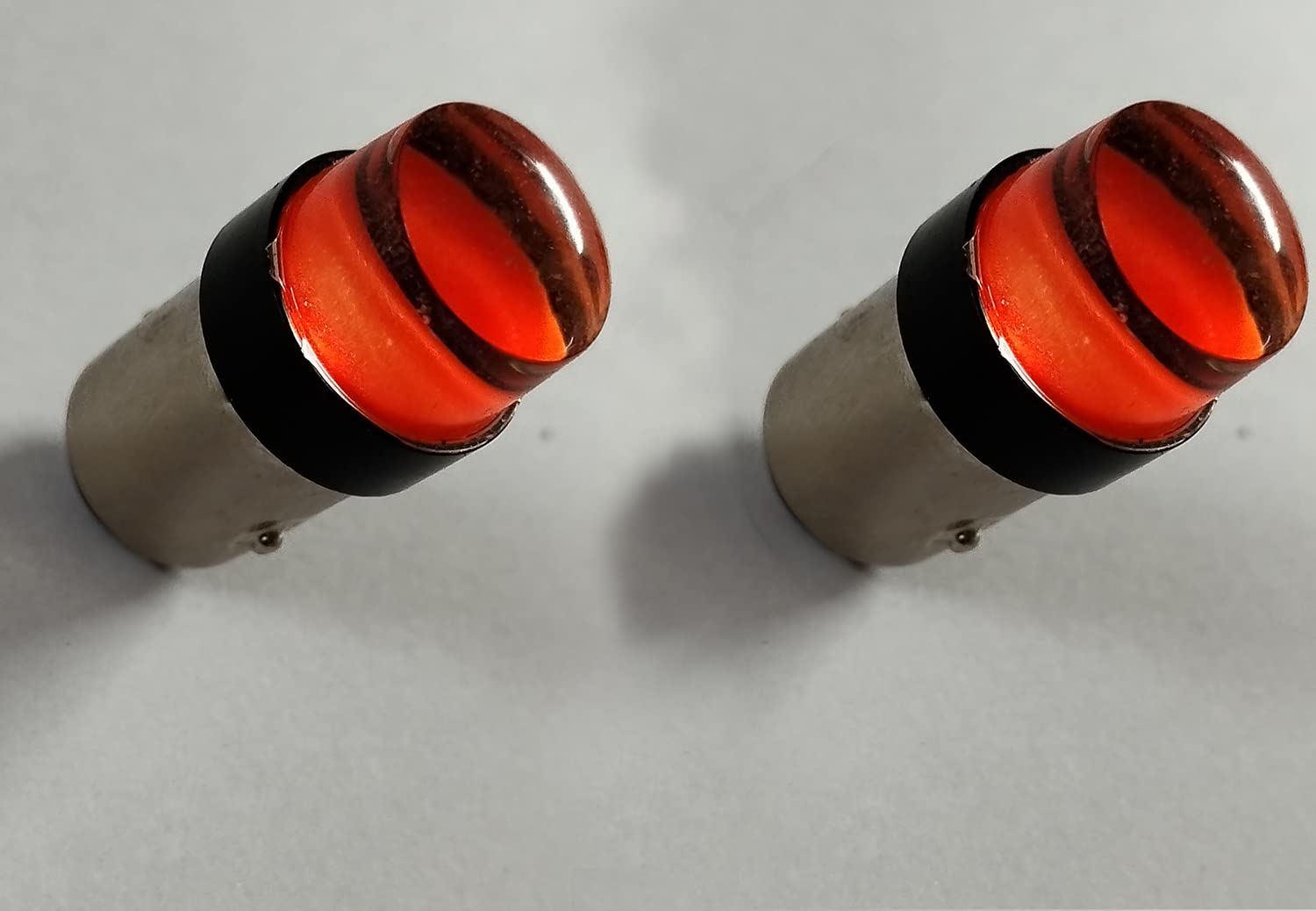
A motorcycle blinking brake light is a brake light that flashes or pulses when you apply the brakes, instead of simply lighting up steadily. The flashing pattern can vary; some blink rapidly a few times and then stay solid, while others keep pulsing as long as the brake is pressed. This visual effect grabs the attention of drivers behind you much more effectively than a standard light. The main goal is to reduce the risk of rear-end collisions—a leading type of accident for motorcyclists.
How It Works
Most blinking brake lights use a small electronic module connected to your bike’s brake switch. When you press the brake lever or pedal, the module sends power to the light in a specific pattern—flashing it several times before staying on, or continuing to pulse.
Some units are programmable, letting you choose the number and speed of flashes.
Different Types
- Plug-and-play modules: Easy to install, just connect to existing wiring.
- Integrated LED tail lights: Combine turn signals and brake lights with built-in blinking.
- Custom programmable units: Advanced features, adjustable patterns.
Why Blinking Brake Lights Matter
Motorcycle riders are more vulnerable in traffic. Visibility is a constant battle, especially at night or in bad weather. A blinking brake light isn’t just a cool upgrade; it’s a proven safety feature.
Accident Statistics
According to the National Highway Traffic Safety Administration (NHTSA), about 30% of motorcycle crashes involve a rear-end collision. Many of these happen because drivers simply do not notice the motorcycle slowing down. Research shows that a flashing light is more noticeable than a steady one, increasing the reaction time of drivers behind you.
Human Reaction
Drivers often react almost automatically to blinking lights. The human eye is drawn to motion and change, so a flashing brake light stands out in a sea of red tail lights. In studies, drivers were able to recognize a blinking brake signal up to 0.5 seconds faster than a steady light. That may not seem like much, but at highway speeds, half a second can mean the difference between stopping safely and crashing.
Real-world Example
Imagine riding home at dusk on a busy road. A car behind you is distracted. You tap your brakes, and your light blinks three times before turning solid red. The driver’s attention snaps back to the road, and they slow down in time.
Without the blinking effect, they might not have noticed until too late.

Credit: www.amazon.com
Key Features To Consider
Choosing the right motorcycle blinking brake light means looking at more than just price or appearance. Here are the most important factors:
1. Brightness And Visibility
- Look for high-lumen LEDs. Brightness matters more than any fancy pattern.
- Check how well the light can be seen in daylight and at night.
2. Flash Pattern Options
- Some modules offer one pattern; others are programmable.
- More patterns let you adjust for preference or weather, but keep it legal.
3. Ease Of Installation
- Plug-and-play units can be installed in under 30 minutes.
- Hardwired units may need technical skill or professional help.
4. Compatibility
- Make sure the module matches your bike’s voltage (usually 12V).
- Check tail light design—some bikes need special connectors.
5. Durability And Weatherproofing
- Motorcycles face rain, dust, and vibration. Choose lights rated IP65 or higher for water resistance.
- Look for solid construction and vibration-proof design.
6. Legal Compliance
- Laws vary by state and country. Make sure the module or light is DOT approved if riding in the US.
Comparing Popular Models
Here’s a look at how three popular options stack up:
| Model | Flash Patterns | Brightness | Installation | DOT Approved |
|---|---|---|---|---|
| Skene P3 | Multiple (programmable) | Very High | Plug-and-play | Yes |
| Custom LED Magic Strobe | 10+ | High | Plug-and-play | Varies by model |
| INTEGRA Tail Light | 3 | Medium | Direct replacement | No |
Notice that more patterns or higher brightness do not always mean better safety. Simplicity and legal compliance often matter more.

Credit: www.youtube.com
How To Install A Blinking Brake Light
You don’t need advanced skills to add a blinking brake light to most motorcycles. Many kits are designed for DIY installation. Here’s a typical process:
- Disconnect the Battery
- Always start by removing the negative battery cable to avoid shorts or shocks.
- Locate the Brake Light Wiring
- Usually found under the seat or behind the tail section.
- Connect the Module
- Plug-and-play: Unplug the brake light connector, insert the module, and reconnect.
- Hardwired: Use the included wire taps or solder the wires (match color codes).
- Test the Light
- Reconnect the battery and test the brake lever and pedal.
- Make sure the light blinks as intended, then goes solid.
- Secure the Module
- Use zip ties or double-sided tape to prevent movement.
- Reassemble and Final Check
- Put any panels or seats back in place and do a last test.
Practical Tips
- Take clear photos before and during disassembly for easy reassembly.
- If you’re unsure about wiring, consult your bike’s manual or a professional.
- Always check the flash pattern in daylight and at night.
Legal Considerations
Not every country or state allows blinking brake lights. In the US, the Department of Transportation (DOT) allows them on motorcycles, but with restrictions. For example, the light may only blink a set number of times (often 3-5 quick flashes) before turning solid. Some states have stricter rules or require specific certifications.
If you ride internationally, especially in Europe or Asia, local laws may ban any kind of flashing brake light. Always check the latest rules before installing and using a module. You can find more details at the NHTSA website.
Maintenance And Troubleshooting
A blinking brake light is usually reliable, but problems can happen. Here’s what to watch for and how to fix common issues:
Common Problems
- No blinking: Check wiring connections and make sure the module is compatible with your bike’s system.
- Light not working at all: Inspect the fuse and bulb or LED unit.
- Erratic flashing: Loose ground connection or water in the module.
Maintenance
- Clean the lens regularly for maximum brightness.
- Check the wires for wear, especially after long rides or heavy rain.
- Replace the module if you see corrosion or physical damage.
Real-world Benefits And Drawbacks
While blinking brake lights offer big advantages, they are not perfect. Here’s a closer look:
| Benefit | Drawback |
|---|---|
| Improved visibility, especially in traffic | May be illegal in some areas |
| Faster reaction times from drivers behind | Poor quality units can fail prematurely |
| Easy to install on most motorcycles | Some patterns may annoy other drivers |
Two Insights Beginners Miss
First, many riders think any flashing pattern is better, but too many flashes or odd rhythms can confuse drivers or violate laws. Second, cheap units often lack proper waterproofing, which is critical on a motorcycle. Spending a bit more for a trusted brand usually means fewer headaches down the road.
Common Mistakes To Avoid
- Ignoring Legal Requirements
- Installing a non-approved pattern can result in fines or failed inspections.
- Skipping Brightness Tests
- Not all LEDs are equally bright. Test in sunlight and at night.
- Poor Installation
- Loose wires or bad connections cause most failures.
- Neglecting Regular Checks
- A dirty lens or damaged wire can make the light useless.
- Choosing Style Over Safety
- Focus on effectiveness, not just looks.
Are Blinking Brake Lights Worth It?
For most riders, the answer is yes. Rear-end crashes are common and often serious. A blinking brake light is one of the simplest, most cost-effective ways to reduce your risk. Even a half-second warning can prevent an accident. Plus, modern units are affordable, easy to install, and require little maintenance.
However, they are not a substitute for safe riding habits. Always use proper braking techniques, wear bright gear, and check your surroundings. Think of the blinking brake light as an extra layer of safety, not your only defense.
Credit: www.amazon.in
Frequently Asked Questions
What Is The Main Advantage Of A Motorcycle Blinking Brake Light?
The main benefit is increased visibility. The flashing pattern grabs the attention of drivers behind you, making it less likely they will miss your slowing or stopping, which can help prevent rear-end collisions.
Are Blinking Brake Lights Legal In Every State?
No, laws vary by state. Some allow a set number of flashes, while others may restrict or ban them. Always check your local regulations before installing a blinking brake light.
Can I Install A Blinking Brake Light Myself?
Yes, many systems are DIY-friendly. Plug-and-play modules are especially easy for most riders to install with basic tools. If you’re unsure, a motorcycle shop can install it quickly.
Do Blinking Brake Lights Drain The Battery Faster?
Not significantly. Most modern units use efficient LEDs that draw very little power, so there is almost no impact on your motorcycle’s battery.
What Is The Difference Between A Blinking Brake Light And A Strobe Light?
A blinking brake light flashes only when you apply the brakes and then goes solid, usually following a legal pattern. A strobe light may flash rapidly or irregularly and is often not legal for brake use on public roads.
Conclusion
Upgrading to a motorcycle blinking brake light is a smart move for safety-minded riders. With simple installation, strong visibility, and proven benefits, it’s an investment that can help you stay safer on the road. Just remember to choose a quality product, follow the law, and keep your light well maintained. Safe riding!