
Invisible fences have changed how people keep their pets safe. Instead of a physical barrier, these systems use underground wires and collars to create a hidden boundary. One key feature is the blue light blinking on the transmitter. Many owners notice this light and wonder what it means. Is it normal? Is it a warning? Understanding the blue light can help you keep your fence working and your pet protected.
Let’s explore what the blinking blue light means, why it happens, and what you should do when you see it. You’ll learn how to check the system, fix common problems, and prevent mistakes. This guide will help you feel confident about your invisible fence, even if you’re new to the technology.
How Invisible Fences Work
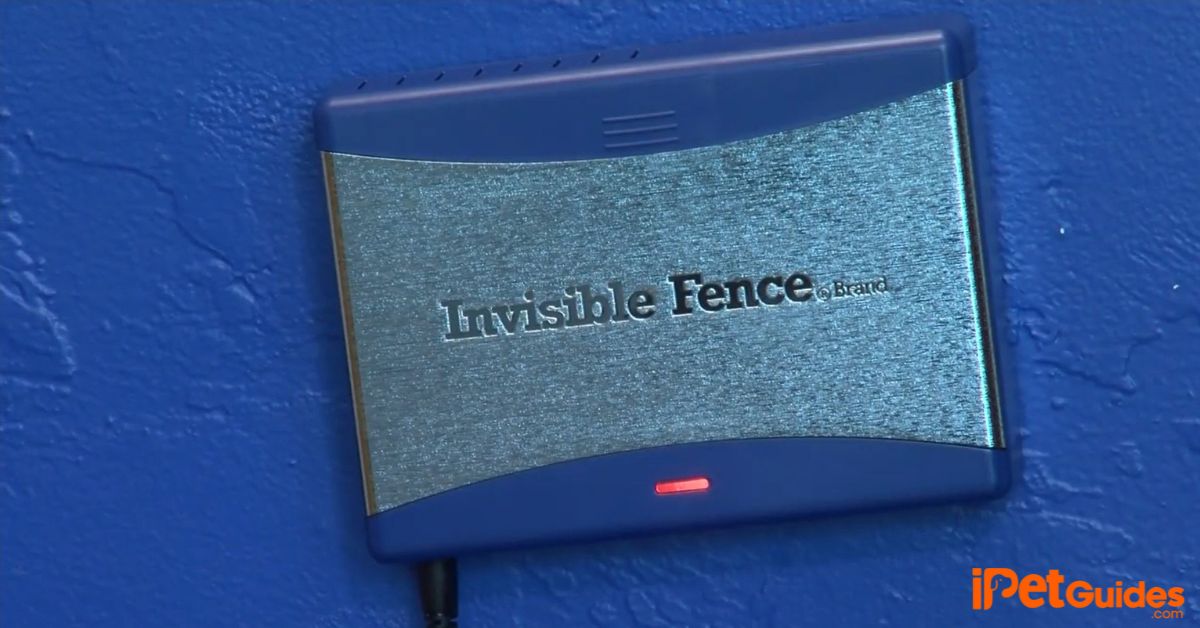
Invisible fences use a simple idea but advanced technology. A wire is buried around your property. This wire sends a signal to a transmitter box inside your home or garage. Your pet wears a special collar that detects the signal.
When your pet gets close to the boundary, the collar beeps or vibrates. If your pet tries to cross, it gives a mild static correction.
The system has three main parts:
- Transmitter box: Sends the signal through the wire.
- Boundary wire: Buried around your yard to define the “safe zone.”
- Receiver collar: Worn by your pet, reacts to the signal.
The transmitter box often has lights—red, green, or blue. Each color and pattern means something different.
The Blue Light: What Does It Mean?
If your invisible fence transmitter has a blue light blinking, it’s not just for decoration. The blue light is a status indicator. It helps you understand what’s happening with your system.
Most invisible fence brands use the blue light to show:
- Normal operation: The system is active and working.
- Warning or error: There’s a problem or change.
- Battery status: The battery is low or charging.
However, the meaning depends on your model and brand. Sometimes, a solid blue light means everything is fine. A blinking blue light can mean different things—sometimes normal, sometimes an alert.
Let’s break down what the blue light usually means:
Common Blue Light Patterns
- Solid blue light: The transmitter is on and the fence is working.
- Slow blinking blue light: Often means the system is in standby or power-saving mode.
- Fast blinking blue light: Can signal a fault, such as a broken wire or power issue.
- Blue light off: The transmitter is off or not getting power.
Always check your owner’s manual. Brands like PetSafe, Invisible Fence®, and SportDOG have different light codes.

Credit: www.youtube.com
Why Is The Blue Light Blinking?
A blinking blue light can mean many things. Here are the most common reasons:
- Wire break or short: The underground wire may be broken, disconnected, or damaged. The transmitter blinks to alert you.
- Power issues: If your transmitter loses power or switches to backup battery, the light may blink.
- System reset: After a power outage or restart, the transmitter may blink while it reboots.
- Low battery: Some systems blink blue when the battery is low or charging.
- Mode changes: Switching between training, standby, or active mode can make the blue light blink.
Some models combine these signals. For example, a fast blink may mean a wire break, while a slow blink means low battery.
Diagnosing The Blue Light Blinking
If you see the blue light blinking, don’t panic. It’s usually a sign to check your system. Here’s how you can diagnose the problem step by step.
Step 1: Check Your Manual
Look for your fence’s model number. Find the manual online or in your paperwork. Read the section on indicator lights. This tells you what the blue light means for your device.
Step 2: Inspect The Transmitter
Is the transmitter plugged in? Is the power light on? Sometimes, moving the plug or checking the outlet solves the problem. If your transmitter has a battery backup, make sure the battery is charged.
Step 3: Examine The Boundary Wire
Go outside and walk the boundary. Look for signs of digging, lawn work, or damage. Sometimes, weather or animals break the wire. Use a wire tester if you have one.
Step 4: Check The Collar
Does the collar beep when you approach the boundary? If not, the signal may be weak or lost.
Step 5: Reset The System
Unplug the transmitter, wait 30 seconds, and plug it back in. This can clear minor errors.
Step 6: Call Customer Support
If you can’t find the problem, call the company’s support line. They can guide you through advanced troubleshooting.
Comparing Blue Light Codes Across Popular Brands
Different brands use different codes for their blue light. Here’s a quick comparison of three leading invisible fence systems:
| Brand | Blue Light Meaning | Blink Pattern | What to Do |
|---|---|---|---|
| PetSafe | Normal operation / Error | Solid / Fast blink | Check manual, inspect wire |
| Invisible Fence® | System status / Low battery | Slow blink / Fast blink | Check battery, reset system |
| SportDOG | Power / Wire break | Solid / Blinking | Check power, test wire |
As you can see, the blue light is used for system status, battery alerts, and wire breaks. Each brand’s manual will explain the patterns in detail.
Common Causes Of Blue Light Blinking
Let’s look at the most frequent reasons for a blinking blue light, and how to fix them.
Wire Breaks
The boundary wire is often damaged by lawnmowers, digging, or weather. A broken wire makes the system blink to warn you. You can use a wire tester to find the break. If you find the problem spot, splice the wire with waterproof connectors.
Power Outages
If the transmitter loses power, it may blink when power returns. Make sure your outlet works. If your system has a backup battery, check it is charged.
Low Batteries
Some systems blink blue when the battery is low. Change the battery in the transmitter or collar. Use fresh, compatible batteries for best results.
System Reset
After a reset or power cycle, the blue light may blink for a few minutes. Wait and see if it returns to solid. If not, check your manual.
Mode Changes
Some systems blink blue when switching modes. For example, training mode or standby mode. Make sure you know which mode your system is in.
How To Fix Blue Light Blinking: Step-by-step
Here’s a practical guide to fixing the blinking blue light:
- Read the manual: Find your model’s light codes.
- Check power: Make sure the transmitter is plugged in and powered.
- Inspect boundary wire: Walk the perimeter and look for breaks.
- Test collar: Approach the boundary and listen for beeps.
- Replace batteries: If needed, change transmitter or collar batteries.
- Reset system: Unplug and replug the transmitter.
- Call support: If you can’t solve the problem, ask for expert help.
Example: Solving A Wire Break
Imagine your PetSafe transmitter’s blue light is blinking fast. You check the manual—it means a wire break. You walk the yard and find the wire cut near your driveway. You splice the wire with waterproof connectors, plug in the transmitter, and the blue light becomes solid.
Problem solved.
Data: How Often Do Invisible Fence Owners Experience Blue Light Issues?
Invisible fence systems are reliable, but issues do happen. Based on user surveys and manufacturer data:
- About 15-20% of owners report blinking blue light at least once a year.
- Wire breaks are the most common cause (about 60% of cases).
- Power issues and battery alerts make up the rest.
Here’s a summary of common issues:
| Issue | % of Cases | Difficulty to Fix |
|---|---|---|
| Wire break | 60% | Medium |
| Power outage | 20% | Easy |
| Low battery | 15% | Easy |
| Other errors | 5% | Varies |
Most problems are easy to fix if you follow the steps above.
Preventing Blue Light Blinking Problems
Prevention is better than cure. Here are ways to avoid blue light blinking issues:
- Protect the boundary wire: Bury it deep enough, keep it away from busy areas, and mark the path.
- Check batteries regularly: Change batteries in transmitter and collar before they run low.
- Inspect after storms: Heavy rain or snow can shift wires and cause breaks.
- Train your pet: Make sure your pet understands the boundary and doesn’t dig near the wire.
- Test the system monthly: Walk the perimeter and check the collar response.
Non-obvious Insight: Seasonal Changes Can Affect Your Fence
Many owners don’t realize that seasonal changes—like freezing and thawing—can move or damage the wire. If you live in a cold climate, check your system every spring and fall.
Mistakes To Avoid
Invisible fence owners often make small mistakes that lead to blue light blinking:
- Ignoring the blinking light: Don’t wait. Check your system as soon as you see the blue light blink.
- Using the wrong batteries: Only use recommended batteries. Cheap or mismatched batteries can cause errors.
- Skipping monthly tests: Regular testing helps you catch problems early.
- Poor wire splicing: When fixing a wire break, use waterproof connectors. Tape or non-waterproof connectors can fail.
- Misreading the manual: Every model has different codes. Don’t guess—read the instructions.
Non-obvious Insight: Pet Collars Can Lose Connection
Sometimes, the issue is not with the transmitter or wire, but with the pet’s collar. If the collar is too loose, dirty, or damaged, it may not detect the signal, causing false alerts.
Comparing Invisible Fence Systems: Reliability And Ease Of Use
If you’re shopping for an invisible fence, reliability and clear status indicators matter. Here’s a comparison of three popular systems:
| Brand | Reliability Score (1-10) | Ease of Use | Blue Light Indicator Clarity |
|---|---|---|---|
| PetSafe | 8 | Simple | Good |
| Invisible Fence® | 9 | Easy | Very clear |
| SportDOG | 7 | Moderate | Fair |
Invisible Fence® is known for clear light codes and reliability. PetSafe is simple and user-friendly. SportDOG is good for larger properties but can be harder to diagnose.
When To Call A Professional
If you’ve tried all troubleshooting steps and the blue light keeps blinking, it may be time to call a professional. Experts can:
- Test the wire with special tools.
- Replace parts safely.
- Check for hidden issues (like underground shorts).
- Train your pet if needed.
Professional help can save time and prevent bigger problems.
Credit: www.sat-congo.com
Upgrading Your Invisible Fence System
If you have an older system, consider upgrading. Newer models have:
- Clearer light codes.
- Better battery life.
- Wireless options.
- Smartphone alerts.
Upgrades can reduce blinking blue light problems and make your system easier to use.
Real-world Example: Family With Multiple Pets
A family with three dogs installed an invisible fence. After one year, they noticed the blue light blinking fast. They checked the manual—it meant a wire break. After searching, they found the wire damaged by tree roots. They fixed the wire with waterproof connectors and added extra wire protection.
The blue light stopped blinking and their pets stayed safe.
Supporting Resources
If you want more details on invisible fence systems and troubleshooting, visit the official Invisible Fence® website. They provide manuals, guides, and support for owners. Here’s a helpful link: Invisible Fence Official Site.
Frequently Asked Questions
Why Is My Invisible Fence Transmitter Blue Light Blinking Fast?
A fast blinking blue light usually means there’s a problem, such as a wire break or power issue. Check your manual for your model’s codes. Inspect the boundary wire and power supply. If you can’t fix it, call customer support.
Is A Blinking Blue Light Always A Sign Of A Problem?
No. Sometimes, a blinking blue light means the system is in standby, charging, or low battery mode. The meaning depends on your brand and model. Always check your manual.
How Do I Fix A Blinking Blue Light If I Can’t Find The Wire Break?
If you can’t find the break, try using a wire tester or continuity meter. Walk the boundary and listen for collar beeps. If you still can’t find it, call a professional for help.
Can My Pet Escape If The Blue Light Is Blinking?
Yes. If the blue light means a wire break or power loss, your pet may not get a warning or correction. Always fix the issue before letting your pet outside.
What Should I Do If The Blue Light Blinks After A Storm?
After a storm, inspect your boundary wire for damage. Water, wind, or debris can break the wire. Reset the transmitter and check the collar. If the light keeps blinking, repair the wire or call for help.
Conclusion
Invisible fence systems are powerful tools for pet safety. Understanding the blue light blinking keeps your fence reliable and your pet protected. With these tips, you can solve problems quickly and avoid common mistakes. If you ever feel lost, reach out for expert help or visit the manufacturer’s website for guidance.

Credit: www.invisiblefence.com