
If you see a blinking check engine light in your Honda Odyssey, it can be stressful and confusing. Many drivers are not sure what this means, how serious it is, or what steps to take. Ignoring this warning can lead to major engine damage or expensive repairs. But acting quickly and understanding the cause can help you avoid bigger problems. This article explains why a blinking check engine light happens in the Honda Odyssey, what you should do right away, how to diagnose the issue, and what repairs might be needed. Whether you’re a new car owner or have driven your Odyssey for years, you’ll get practical tips and clear advice to keep your vehicle safe and running well.
What Does A Blinking Check Engine Light Mean?
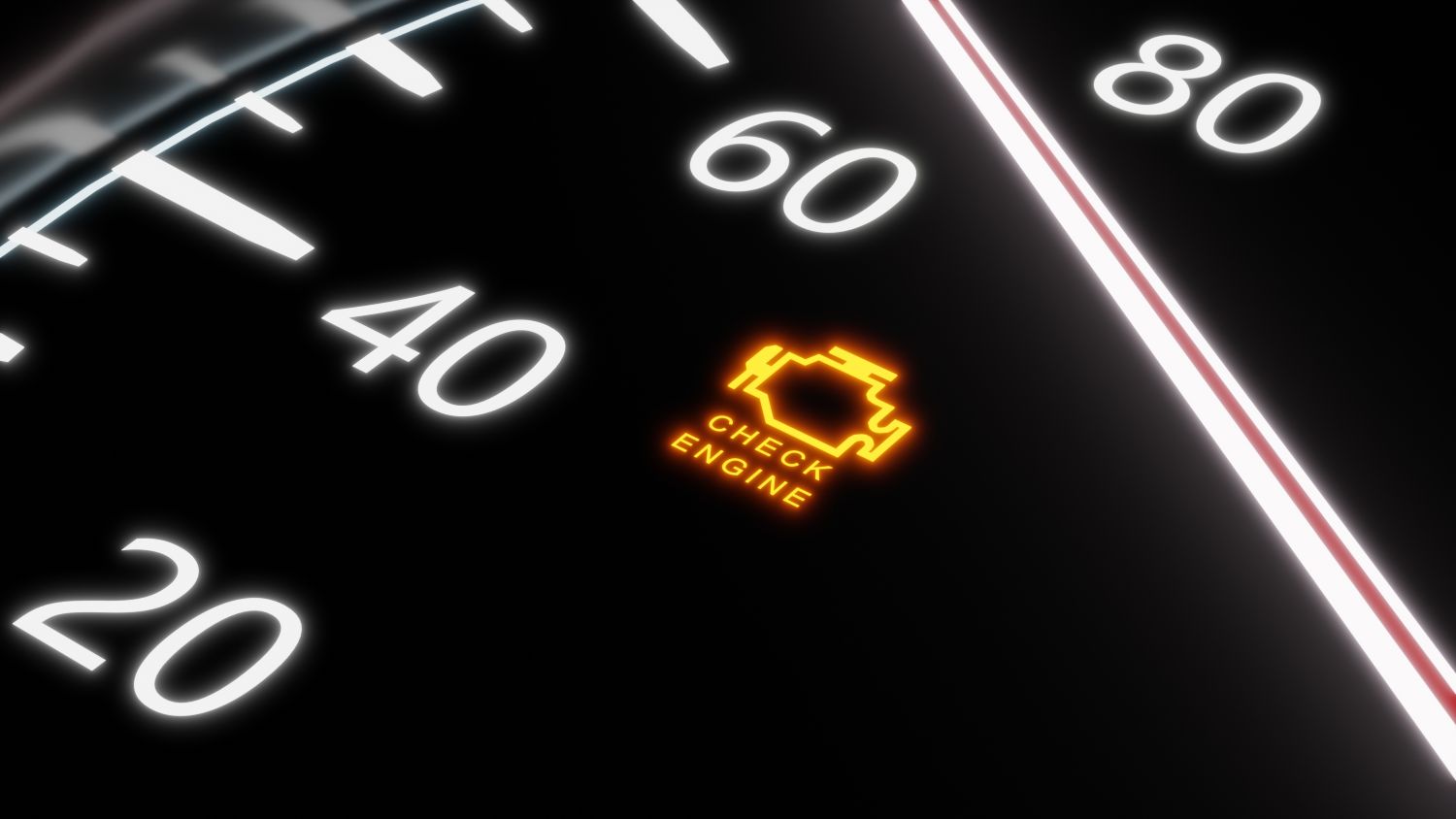
A steady check engine light and a blinking check engine light are very different. When the check engine light is on but not flashing, it usually signals a problem that needs attention soon, but you can often keep driving for a short time. However, a blinking check engine light is much more urgent. In most vehicles, including the Honda Odyssey, a blinking light means there’s a severe problem, usually related to engine misfire. This can cause unburned fuel to enter the exhaust system, leading to damage to the catalytic converter—a very expensive part to replace.
The owner’s manual for the Honda Odyssey warns drivers to stop immediately if the check engine light blinks. Continuing to drive with this warning can multiply repair costs. A blinking light is the car’s way of telling you, “Stop now to avoid serious damage.
”
Main Causes Of A Blinking Check Engine Light In Honda Odyssey
There are several reasons why your Honda Odyssey’s check engine light might start blinking. Here are the most common:
- Engine Misfire: The most frequent cause. This means one or more cylinders are not working properly. Reasons can include spark plug failure, ignition coil problems, or fuel injector issues.
- Ignition System Problems: Worn-out or faulty spark plugs, ignition coils, or spark plug wires can cause misfires.
- Fuel System Issues: Problems with fuel injectors, a failing fuel pump, or a clogged fuel filter can disrupt the fuel supply to the engine.
- Vacuum Leaks: If air leaks into the engine where it shouldn’t, the air-fuel mixture can become unbalanced, leading to misfires.
- Low Compression: Damage to valves, piston rings, or cylinder walls can reduce compression in one or more cylinders, leading to misfires.
- Bad Mass Air Flow Sensor or Oxygen Sensor: If these sensors fail, the engine may not get the correct air-fuel mixture, causing rough running or misfires.
- Catalytic Converter Damage: Sometimes, a failing catalytic converter itself can create symptoms that trigger the light.
Below is a comparison showing the most common causes and their usual repair costs:
| Cause | Typical Repair Cost (USD) | Urgency |
|---|---|---|
| Spark Plug Failure | $100 – $250 | High |
| Ignition Coil Failure | $150 – $500 | High |
| Fuel Injector Issue | $200 – $600 | High |
| Vacuum Leak | $100 – $300 | Medium |
| Catalytic Converter Damage | $900 – $2,500 | Very High |
Immediate Actions: What To Do If Your Check Engine Light Is Blinking
If you notice your Honda Odyssey’s check engine light blinking, follow these steps:
- Slow Down and Pull Over: Find a safe place to stop as soon as possible. Driving further could cause severe engine or catalytic converter damage.
- Turn Off the Engine: Give your car a few minutes to cool down. This can help prevent further damage.
- Check for Obvious Issues: Open the hood (if it’s safe) and look for signs like smoke, strong fuel smell, or loose wires. If you see anything unusual, do not try to fix it unless you are experienced.
- Avoid Driving: Unless you are in immediate danger, do not drive the vehicle further. Towing is safer than risking engine failure.
- Read the Owner’s Manual: Honda’s manual will often have advice for emergency warning lights.
- Call for Assistance: Contact roadside assistance or a trusted mechanic.
Why You Should Not Ignore A Blinking Check Engine Light
Driving with a blinking check engine light can:
- Damage the catalytic converter, costing $1,000 or more to replace
- Cause severe engine damage, including pistons, rings, or valves
- Lead to a breakdown in unsafe locations
A key insight many drivers miss: Even if the car seems to drive “okay,” a misfire can quietly destroy expensive components within minutes. The risk is much higher than with a steady check engine light.
Diagnosing The Blinking Check Engine Light
Understanding the cause of a blinking check engine light is not always simple. Here’s how to approach the diagnosis:
Using An Obd-ii Scanner
All modern Honda Odysseys (1996 and newer) have an OBD-II port. This allows you to connect a scanner and read error codes from the engine computer. Many auto parts stores offer free code reading.
- Plug the scanner into the OBD-II port (usually under the dashboard).
- Turn the ignition to ON (engine off or running, depending on scanner).
- Read the codes. Codes like P0301-P0306 indicate misfires in specific cylinders.
Below is a sample of common OBD-II codes and what they mean for the Honda Odyssey:
| Code | Meaning | Possible Cause |
|---|---|---|
| P0301 | Misfire Cylinder 1 | Spark plug, coil, injector |
| P0302 | Misfire Cylinder 2 | Spark plug, coil, injector |
| P0300 | Random/Multiple Misfire | Fuel, ignition, vacuum leak |
| P0420 | Catalyst System Efficiency Below Threshold | Catalytic converter |
Visual Inspection
If you have some mechanical knowledge, look for:
- Cracked or disconnected spark plug wires
- Loose ignition coils
- Oil or water in spark plug wells
- Broken vacuum hoses
You may spot a simple issue like a disconnected wire or a visibly damaged coil.
Professional Diagnosis
If the codes or a quick visual check don’t reveal the problem, it’s best to visit a mechanic. They have the tools to test fuel pressure, compression, and check for hidden electrical faults. Skilled technicians can often trace misfires to more hidden causes, such as internal engine problems or rare sensor failures.
Credit: www.reddit.com
Common Repairs For Blinking Check Engine Light
Once you know the cause, fixing the problem is the next step. Here are the most frequent repairs for Honda Odyssey owners facing a blinking check engine light:
1. Replacing Spark Plugs
Spark plugs wear out over time. Bad plugs are a top reason for misfires in the Odyssey, especially after 60,000-100,000 miles. Replacement can often be done in about an hour.
2. Changing Ignition Coils
Ignition coils send power to the spark plugs. If they fail, you’ll get misfires and a blinking light. In the Odyssey, coils often fail one at a time. It’s smart to replace all coils if several are old or failing.
3. Fixing Fuel Injector Problems
A clogged or broken fuel injector will cause one cylinder to misfire. Injectors can be cleaned, but sometimes replacement is needed.
4. Repairing Vacuum Leaks
A vacuum leak can be caused by a cracked hose or gasket. Repairs may be simple (replacing a hose) or more complex (intake manifold gasket replacement).
5. Sensor Replacement
Sometimes, an oxygen sensor or mass air flow sensor fails, causing the engine to misfire. These are not as common but do happen, especially on higher-mileage vehicles.
6. Catalytic Converter Replacement
If misfires are ignored for too long, the unburned fuel can overheat and destroy the catalytic converter. This is a very expensive fix and often follows long-term neglect of misfires.
Repair Cost Comparison
Here’s a quick look at average repair times and costs for a Honda Odyssey with a blinking check engine light:
| Repair | Average Labor Time | Average Total Cost |
|---|---|---|
| Spark Plug Replacement | 1 hour | $100 – $250 |
| Ignition Coil Replacement | 1-2 hours | $150 – $500 |
| Fuel Injector Replacement | 2-3 hours | $200 – $600 |
| Catalytic Converter Replacement | 2-4 hours | $900 – $2,500 |
How To Prevent A Blinking Check Engine Light
Most blinking check engine light issues can be prevented with simple maintenance and careful driving habits.
Regular Maintenance
- Replace spark plugs every 60,000–100,000 miles (check your Odyssey’s manual)
- Change air filter and fuel filter regularly
- Inspect ignition coils during major services
- Use good quality fuel to prevent injector clogs and sensor issues
Watch For Early Warning Signs
Many drivers ignore small symptoms before the light blinks, such as:
- Rough idle
- Decreased power or acceleration
- Poor fuel economy
- Occasional engine “stumble”
Addressing these early can prevent larger problems.
Don’t Ignore Other Warning Lights
Sometimes, other dashboard lights will appear before the check engine light blinks—like the Maintenance Minder, VSA, or traction control light. Don’t dismiss these, as they may relate to engine performance.
Be Careful With Aftermarket Parts
Using the wrong spark plugs, coils, or sensors can trigger misfires. Stick to Honda-approved or high-quality aftermarket brands.
Address Small Repairs Quickly
A small oil leak or a minor vacuum leak can eventually lead to engine misfires. Fixing problems when they are small is almost always cheaper and easier.
Credit: www.sbhonda.com
Special Considerations For Different Honda Odyssey Model Years
Honda Odyssey models have changed over the years, and some years are more likely to have certain problems.
1999–2004 Models
- More likely to have ignition system problems
- Some years have known transmission issues—these can sometimes cause the engine to misfire if shifting becomes rough
2005–2010 Models
- Spark plug and coil failures are common as the vehicles age
- Some models have issues with the EGR (Exhaust Gas Recirculation) system, which can also cause misfires
2011–2017 Models
- Improved ignition and fuel systems, but still possible for misfire issues at higher mileages
- Regular maintenance is key, especially after 100,000 miles
2018–present Models
- Better engine management and diagnostics, but misfires can still happen due to bad fuel or poor maintenance
- Always update software at the dealer if advised, as some issues are fixed by new engine computer programs
Two Insights Most Owners Miss
- Misfire Codes Can Be Misleading: Sometimes, a misfire code points to a cylinder, but the true cause is a different part. For example, a bad ignition coil on one cylinder may cause another cylinder to misfire due to electrical interference. Always check all related parts, not just the one shown by the code.
- Catalytic Converter Can Be Damaged Quickly: Many owners believe they have “time” to fix a blinking check engine light. In reality, the catalytic converter can be ruined after just a few miles of driving with active misfires. This is why immediate action is so important.

Credit: www.youtube.com
When To Seek Professional Help
Some people are comfortable changing spark plugs or coils, but a blinking check engine light often needs a skilled mechanic. Here’s when you should call a professional:
- The car runs very rough or stalls
- The light blinks and you smell strong fuel or see smoke
- No simple issues (like a loose wire) are found
- Multiple warning lights appear at once
- You do not have the tools or experience for advanced repairs
A good shop will use Honda-specific diagnostic tools and can often spot less obvious causes of misfires, such as camshaft timing issues or computer faults.
What If Your Odyssey Is Under Warranty?
If your Honda Odyssey is still under the factory powertrain warranty (usually 5 years/60,000 miles), repairs for check engine light issues may be covered. Always check with your Honda dealer before doing any repairs yourself. Using non-approved parts or ignoring the warning may void certain warranty protections.
Is It Safe To Drive With A Blinking Check Engine Light?
In nearly all cases, no. The blinking check engine light means your engine is at risk. Even a short drive can cause major damage. Only drive to the nearest safe location to stop, and arrange for a tow if needed. Your safety—and your wallet—will thank you.
Frequently Asked Questions
Why Is My Honda Odyssey Check Engine Light Blinking And The Car Shaking?
A blinking check engine light and shaking usually means the engine is misfiring. This can be due to faulty spark plugs, ignition coils, or fuel problems. The shaking comes from one or more cylinders not firing properly, causing the engine to run unevenly.
Can I Reset The Check Engine Light By Disconnecting The Battery?
Disconnecting the battery might reset the check engine light temporarily, but it does not fix the problem. The light will likely return if the fault is still present. Always fix the actual cause before resetting the light.
How Much Does It Cost To Fix A Blinking Check Engine Light On A Honda Odyssey?
Costs vary depending on the cause. Simple fixes like spark plugs or coils can cost $100–$500. More serious problems like fuel injectors or catalytic converters can cost $600–$2,500. Diagnosing the problem early usually keeps costs lower.
Can Bad Gasoline Cause A Blinking Check Engine Light?
Yes, contaminated or poor-quality gasoline can cause misfires in the engine, leading to a blinking check engine light. This is more common if you fill up at unknown or low-quality stations. Using a reputable gas brand helps prevent this.
Where Can I Find More Information About Honda Check Engine Lights?
For more technical details and advice, visit the official Honda service website or check resources like the Wikipedia entry on check engine lights.
If your Honda Odyssey’s check engine light is blinking, don’t ignore it. Quick action can save you thousands of dollars and keep your vehicle safe. Remember the key steps: stop driving, diagnose the issue, and fix the problem before it gets worse. With the right care, your Odyssey can stay reliable for many years.