
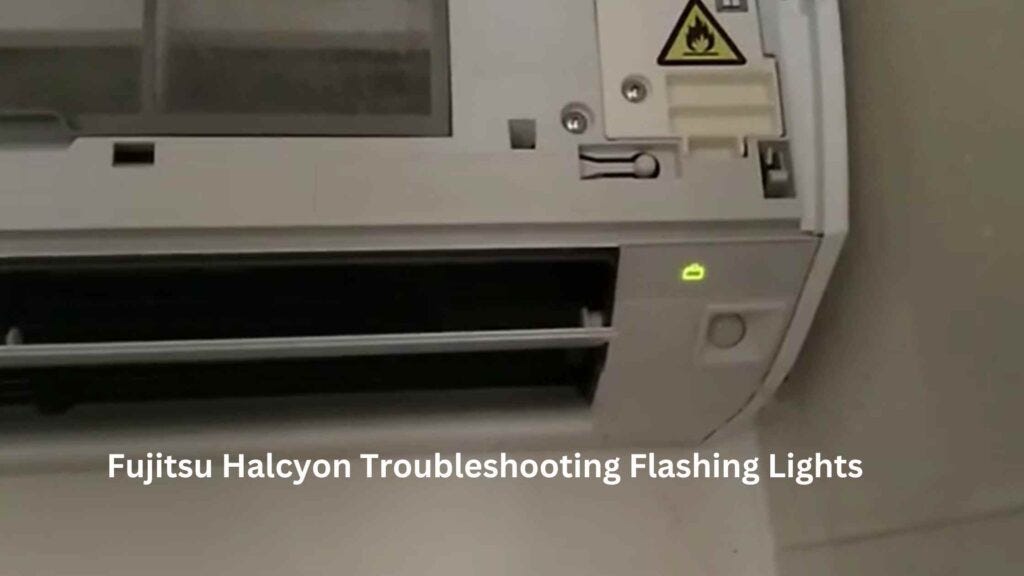
When the air conditioning stops working on a hot day, few things are more frustrating. If you own a Fujitsu Halcyon DC Inverter system and notice blinking lights on the indoor or outdoor unit, you may feel worried or confused. What do these blinking lights mean? Is something broken? Can you fix it yourself, or do you need to call a technician? This guide will help you understand why your Fujitsu Halcyon DC Inverter uses blinking lights, what they indicate, and how you can respond. Whether you’re a homeowner, a renter, or a building manager, you’ll find practical advice to keep your system running reliably.
Understanding Fujitsu Halcyon Dc Inverter Systems
Fujitsu is known for reliable, energy-efficient air conditioning. The Halcyon DC Inverter series offers quiet operation, smart temperature control, and low energy use. Unlike traditional ACs that turn on and off to control temperature, DC inverters adjust compressor speed, keeping the room at a steady comfort level. This saves power and reduces wear on parts.
But with advanced technology comes more complex electronics. When something goes wrong, the system uses diagnostic blinking lights instead of simple “on” or “off” signals. These lights give clues about issues inside the system.
Why Blinking Lights Matter
AC units from Fujitsu—and many other brands—use blinking lights as a way to communicate problems. You might see these lights on the indoor wall-mounted unit, the outdoor condenser, or both. Instead of a simple error code on a screen, Fujitsu uses a combination of LED light blinks to show what’s wrong.
Key reasons for blinking lights:
- Diagnostic alerts: To show errors, malfunctions, or maintenance needs.
- Status updates: To confirm normal operation or special modes (like defrosting).
- Communication errors: When the indoor and outdoor units can’t talk to each other.
Paying attention to these lights can help you fix small problems before they become bigger. It can also help a technician solve issues faster, saving time and money.

Credit: www.youtube.com
Common Blinking Light Patterns And Their Meanings
Not all blinking patterns are the same. The number, speed, and location of the blinks matter. Here are the most common Fujitsu Halcyon DC Inverter blinking light patterns and what they usually mean:
| Blinking Pattern | Location | Typical Meaning |
|---|---|---|
| 2 blinks, pause, repeat | Indoor unit | Filter needs cleaning |
| 3 blinks, pause, repeat | Indoor unit | Thermistor issue (temperature sensor) |
| 4 blinks, pause, repeat | Indoor or outdoor unit | Refrigerant problem or compressor issue |
| 5 blinks, pause, repeat | Indoor unit | Communication error between units |
| Continuous fast blinking | Indoor unit | General error (often needs reset or service) |
Note: Your user manual may show slightly different patterns. Always check your model’s specific guide.
How To Read The Blinking Lights
Understanding the blinking code is the first step. Here’s how to read and interpret them:
- Turn off and on: If you notice blinking, turn the unit off for one minute, then turn it back on. The error code may reset or repeat.
- Count the blinks: Watch for a repeating pattern. For example, three blinks, a pause, then three more blinks.
- Check the location: Is the light blinking on the indoor unit, outdoor unit, or both?
- Read your manual: Match the pattern with the error chart in your Fujitsu Halcyon manual.
Some models also allow you to access a more detailed error code by pressing a specific button sequence on the remote control.
Causes Of Blinking Lights In Fujitsu Halcyon Dc Inverter Units
Let’s look at the most common reasons for blinking lights and what they signal about your air conditioner.
1. Dirty Or Blocked Filters
A common cause for 2-blink patterns is a dirty air filter. When dust blocks the filter, airflow drops. The system senses this and warns you. Cleaning the filter usually solves the problem.
2. Thermistor Or Sensor Problems
The thermistor is a sensor that reads air temperature. If it fails or disconnects, the unit can’t control temperature correctly. A 3-blink pattern often means a thermistor issue. Sometimes, bugs or dust block the sensor.
3. Refrigerant Or Compressor Trouble
If the refrigerant level is too low or there’s a leak, the compressor cannot cool air effectively. A 4-blink pattern often points to this. Running the unit with low refrigerant can damage the compressor, so it’s important to address this quickly.
4. Communication Errors
Modern Fujitsu systems have indoor and outdoor units that “talk” using control wires. When there’s a wiring problem or a faulty control board, the units can’t communicate, causing 5-blink patterns. This is common after a power surge, lightning, or rodent damage to wires.
5. General Or Unknown Errors
Sometimes, the light blinks rapidly with no clear pattern. This may be a system reset alert or a sign of an electronics problem, like a failed circuit board or power supply.
Troubleshooting Steps For Fujitsu Halcyon Blinking Lights
You can fix some problems yourself, while others need a professional. Here’s a practical guide.
Step 1: Turn The Unit Off And On
Many small errors clear with a simple reset:
- Turn off the system at the main power switch or breaker.
- Wait at least 60 seconds.
- Turn it back on. Watch if the blinking starts again.
Step 2: Clean The Air Filters
If the filter is dirty, clean it:
- Open the front panel of the indoor unit.
- Remove the filter (usually slides out).
- Rinse with water and let it dry fully before replacing.
- Do not use soap or chemicals unless the manual says so.
Step 3: Check For Blocked Vents Or Coils
Blocked indoor or outdoor vents cause the system to overheat or freeze. Make sure:
- No furniture, curtains, or plants block airflow.
- The outdoor unit is free from leaves, dirt, and debris.
Step 4: Inspect Remote Control And Batteries
Sometimes, the blinking is a sign the remote is not talking to the unit. Change the batteries and try again.
Step 5: Power Surges Or Recent Storms
Did a storm or power outage happen recently? Electrical spikes can confuse the system. Reset the unit and check circuit breakers.
Step 6: Check Error Code In Manual
Use your model’s manual to match the blinking pattern with the error code. If you lost your manual, Fujitsu’s website has PDF downloads.
Step 7: Call A Licensed Technician
If the error stays after these steps, or if you see blinking patterns for refrigerant, compressor, or communication errors, it’s time to call a licensed HVAC technician. Do not try to repair wiring, refrigerant, or electronics yourself—these are dangerous and may void your warranty.
When To Call For Professional Help
Some problems need expert attention right away:
- Refrigerant leaks: Only licensed technicians can refill or repair.
- Electrical or wiring faults: Risk of shock or fire.
- Compressor failure: Major repairs, sometimes system replacement.
- Repeated communication errors: May need new circuit boards or wiring repairs.
If the unit is under warranty, always call an authorized Fujitsu service provider.
Preventing Future Blinking Light Problems
A little routine care goes a long way. Here’s how you can reduce the chances of error codes:
- Clean filters every 2-4 weeks during heavy use.
- Keep vents and outdoor units clear of debris.
- Schedule annual professional service to check refrigerant and electronics.
- Install surge protectors to avoid damage from lightning and power spikes.
- Check wiring for signs of wear, especially in older homes.
Credit: igrs.itu.edu.tr
Comparison: Fujitsu Halcyon Dc Inverter Vs. Standard Split Ac Units
How does the Fujitsu Halcyon DC Inverter differ from basic split ACs? Here’s a quick comparison:
| Feature | Fujitsu Halcyon DC Inverter | Standard Split AC |
|---|---|---|
| Compressor Operation | Variable speed (energy-saving) | On/off (less efficient) |
| Error Codes | Blinking lights with patterns | Simple on/off or basic error LED |
| Maintenance Alerts | Filter and service reminders | Rarely has reminders |
| Noise Level | Quieter (more control) | Louder (compressor cycling) |
| Cost | Higher upfront, lower running | Lower upfront, higher running |
Real-world Examples: What Users Experience
Let’s look at a few common stories from real users:
Case 1: *Maria noticed her Fujitsu wall unit started blinking three times, then pausing. She checked the manual, found it was a sensor issue, and cleaned the area around the sensor. Problem solved.*
Case 2: *After a thunderstorm, John’s outdoor unit began blinking five times. He found that the outdoor wiring was damaged by a squirrel. He called a technician, who replaced the wire, and the system worked again.*
Case 3: *A family in Florida ignored a 2-blink code for weeks. The clogged filter caused the unit to freeze up, leading to a costly repair. They now clean filters every month.*
These examples show that responding quickly to blinking lights can prevent bigger problems.
Advanced Troubleshooting: For The Technically Confident
If you are comfortable with basic electrical work, you can try these advanced checks. But remember: safety first—never open high-voltage panels or handle refrigerant.
Checking Power Supply And Wiring
Loose or corroded wires are a top reason for communication errors.
- Turn off all power before opening any panels.
- Look for loose connections, especially at the terminal blocks.
- Check for rodent damage or burned wires.
- Tighten screws if needed.
Testing The Thermistor
You can test a thermistor with a multimeter. At room temperature, it should read about 10,000 ohms. Replace if readings are far off.
Resetting Error Codes
Some Fujitsu models let you clear error codes with a remote control sequence:
- With the unit off, press and hold the “TEMP” up and down buttons together.
- While holding, press “MODE” until the error code appears.
- Release and press “RESET” to clear.
Check your manual for your model’s exact steps.
The Role Of The User Manual And Support Resources
Never underestimate the value of the official Fujitsu user manual. It contains the most accurate error code charts and troubleshooting steps for your model. If you don’t have a paper copy, you can download manuals from the Fujitsu General Official Site.
Other helpful resources include:
- Fujitsu’s support hotline
- Authorized service centers
- Online forums for Halcyon owners
But always be careful with online advice—use only trusted sources.
Cost Of Repair And Maintenance
How much will you pay to fix a blinking light issue? It depends on the cause. Here’s a general idea:
| Issue | DIY Cost | Professional Cost |
|---|---|---|
| Clean filter | Free | $60–$100 (service call) |
| Replace sensor | $15–$40 (parts) | $100–$250 (with labor) |
| Repair wiring | $10–$30 (if safe) | $100–$300 (with labor) |
| Recharge refrigerant | Not allowed (licensed only) | $150–$400 |
| Replace compressor | Not allowed (licensed only) | $800–$2,000 |
These are typical US costs in 2024. Prices may be higher in some regions.
Two Non-obvious Insights Most Owners Miss
- Blinking patterns can change after power outages. Sometimes, the code you see right after an outage is not the main problem. Always reset the system and observe if the same pattern returns before calling for service.
- Outdoor unit blinking matters, too. Many owners only check the indoor unit. But the outdoor condenser also has diagnostic lights, often inside the panel. If you’re comfortable, check both for a complete picture.
Simple Mistakes To Avoid
- Ignoring blinking lights for weeks. Small issues can grow into big repairs.
- Using harsh chemicals to clean filters. This can damage sensors and coatings.
- Trying to refill refrigerant yourself. It’s illegal and dangerous.
- Forgetting to check for warranty coverage before calling any repair company.
Frequently Asked Questions
What Do Blinking Lights On My Fujitsu Halcyon Dc Inverter Mean?
Blinking lights are the system’s way of signaling an error or maintenance need. The number and pattern of blinks help you identify the specific problem, like a dirty filter, sensor failure, or wiring issue.
Can I Fix Blinking Light Errors Myself?
You can fix simple problems like dirty filters or blocked vents. For sensor, refrigerant, or wiring issues, it’s best to call a professional. Never try to repair sealed or electrical parts without proper training.
Why Does My Unit Blink After A Power Outage?
Power surges or outages can confuse the system’s electronics. Try turning the unit off for a minute, then back on. If the blinking continues, check the error pattern and consult your manual.
Do Blinking Lights Mean My Air Conditioner Is Broken?
Not always. Many times, blinking lights are just reminders for cleaning or simple fixes. But if the unit won’t run or the error code won’t clear, professional service is needed.
Where Can I Find My Fujitsu Halcyon Error Code Chart?
You can find the error code chart in your user manual or download a copy from the Fujitsu General Official Site. Match the blinking pattern to the chart for your model.
—
Conclusion
Blinking lights on your Fujitsu Halcyon DC Inverter are more than just an annoyance—they are valuable warnings that keep your system running safely and efficiently. With a little knowledge and regular care, you can solve most problems quickly, avoid costly repairs, and enjoy cool comfort all year round. Don’t ignore the signals; treat them as helpful guides to smart maintenance and peace of mind.