
If your Ford Escape check engine light is blinking, you’re probably feeling worried. This warning light often causes drivers to panic, especially when it starts flashing instead of just staying on. But what does it really mean, and how should you react? Understanding the difference between a steady and blinking check engine light can protect your car, your wallet, and even your safety. This article will help you understand why the check engine light blinks, what you should do immediately, and how to prevent future problems—using simple language, clear steps, and practical advice.
What Does A Blinking Check Engine Light Mean?
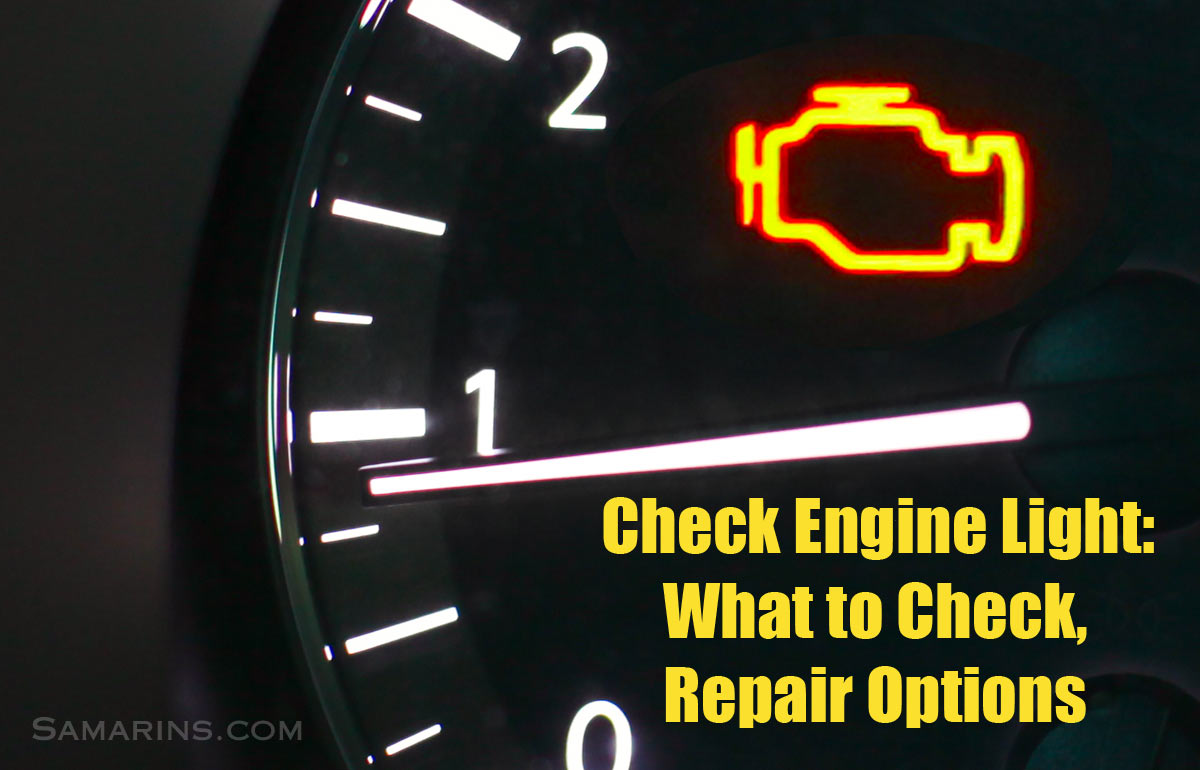
The check engine light is part of your Ford Escape’s onboard diagnostics system. When it glows steadily, it usually signals a minor issue—perhaps an emissions problem or a loose gas cap. But if the light starts blinking, it’s a warning of a much more serious problem that needs urgent attention.
A blinking check engine light usually means there is a misfire in one or more engine cylinders. This misfire can cause unburned fuel to enter the exhaust system, which may damage the catalytic converter—an expensive part to replace. It can also affect your car’s performance, leading to rough running, loss of power, or even engine damage if ignored. Ford and most other automakers use the blinking light to tell drivers: “Stop driving and fix this now.”
The Most Common Causes Of A Blinking Check Engine Light
Several problems can cause your Ford Escape’s check engine light to blink. Here are the most common reasons:
1. Engine Misfire
This is the main reason. A misfire happens when one or more cylinders fail to ignite the air-fuel mixture properly. It can make your engine shake, lose power, and run rough.
2. Faulty Spark Plugs Or Ignition Coils
Worn or damaged spark plugs and ignition coils are frequent causes of misfires. They may not deliver the spark needed for combustion.
3. Bad Fuel Injectors
If a fuel injector is clogged or not working, the engine may not get enough fuel in one or more cylinders, causing a misfire.
4. Vacuum Leaks
Air leaks in the intake system can disturb the fuel-air mix, leading to rough running and misfires.
5. Low Fuel Pressure
A weak fuel pump, clogged fuel filter, or issues with the fuel system can lower pressure, starving the engine of fuel.
6. Compression Issues
Problems with piston rings, valves, or the head gasket can lower compression, causing misfires.
7. Wiring Or Sensor Problems
Damaged wiring or faulty sensors, such as the camshaft or crankshaft position sensor, can disrupt engine timing.
Here’s a comparison of the most common causes and their symptoms:
| Cause | Typical Symptoms | Repair Complexity |
|---|---|---|
| Spark Plugs/Coils | Rough idle, poor acceleration | Easy |
| Fuel Injectors | Engine stalling, poor mileage | Medium |
| Vacuum Leaks | Whistling sound, high idle | Medium |
| Low Fuel Pressure | Hard starting, hesitation | Hard |
| Compression Issues | Lack of power, smoke | Hard |
Immediate Steps To Take When Your Check Engine Light Blinks
If your Ford Escape’s check engine light is blinking, don’t ignore it. Here’s what you should do right away:
1. Reduce Speed
Slow down and drive gently. Avoid hard acceleration or heavy loads.
2. Pull Over Safely
As soon as it’s safe, pull over and turn off the engine. Driving with a blinking light can cause severe damage.
3. Check For Obvious Issues
Open the hood and look for clear signs of trouble: loose wires, damaged hoses, or oil leaks.
4. Listen And Smell
Listen for odd noises (knocking, hissing) and check for burning smells or smoke.
5. Restart The Engine
Sometimes the problem is temporary. Restart the engine and see if the light stops blinking. If it does, drive carefully to a repair shop. If it blinks again, stop.
6. Call For Help
If you’re unsure or the car runs rough, call roadside assistance or a tow truck.
7. Do Not Ignore
Never keep driving with a blinking check engine light, even if the car still moves.
Diagnosing The Problem: Diy Or Professional?
You may wonder if you can diagnose the cause yourself. Here’s how to decide:
Using An Obd-ii Scanner
Modern Ford Escapes (1996 and newer) have an OBD-II port under the dashboard. You can buy or borrow a simple code reader, plug it in, and get a trouble code (like P0301 for misfire in cylinder 1).
When Diy Makes Sense
- You have basic mechanical skills
- You own or can borrow an OBD-II scanner
- The car runs well enough to get home or to a shop
When To See A Professional
- The car shakes violently, stalls, or won’t start
- You smell gas or burning
- You’re not comfortable working with engines
Here’s a quick comparison:
| DIY Diagnosis | Professional Diagnosis |
|---|---|
| Inexpensive, fast if you have a scanner | More accurate, uses advanced tools |
| Risk of mistakes if not experienced | Safer, especially with serious symptoms |
| May miss hidden issues | Can find root cause, not just symptoms |
How Mechanics Diagnose A Blinking Check Engine Light
Professional technicians use a structured process to identify the cause. Here’s what usually happens when you take your Ford Escape to a repair shop:
1. Code Reading
They connect a diagnostic tool to the OBD-II port and read the stored trouble codes.
2. Visual Inspection
Mechanics check spark plugs, ignition coils, wires, and hoses for visible damage or loose connections.
3. Component Testing
They may test spark plugs for spark, measure fuel injector output, or check fuel pressure.
4. Sensor Readings
Live data from sensors (oxygen sensors, mass airflow sensor) helps confirm or rule out certain problems.
5. Compression Test
If misfire codes don’t have an obvious cause, a compression test checks for internal engine problems.
6. Repair Estimate
After finding the cause, they’ll give you a repair estimate and explain the work needed.
Non-obvious insight: Mechanics sometimes find that a blinking check engine light is caused by a chain reaction—like a bad coil damaging the spark plug, which then causes fuel to burn poorly, harming the catalytic converter.
Typical Repair Costs For Ford Escape Blinking Check Engine Light
Costs can vary widely depending on the cause and the shop’s rates. Here’s a rough breakdown of what you might expect:
| Repair | Estimated Cost (USD) | Labor Difficulty |
|---|---|---|
| Spark Plugs | $60 – $150 | Easy |
| Ignition Coils | $100 – $350 | Easy |
| Fuel Injectors | $200 – $600 | Medium |
| Vacuum Leak Repair | $100 – $250 | Medium |
| Fuel Pump | $500 – $1,000 | Hard |
| Catalytic Converter | $900 – $2,000 | Hard |
Non-obvious insight: Replacing a catalytic converter is one of the most expensive repairs and is often caused by ignoring a blinking check engine light for too long.
Preventing Check Engine Light Problems In Your Ford Escape
Prevention is always better than cure. Here’s how you can reduce the risk of seeing your check engine light blink:
1. Regular Maintenance
Change spark plugs, air filters, and fuel filters at the recommended intervals. Ford suggests spark plug replacement every 100,000 miles for many Escape models.
2. Use Quality Fuel
Low-quality fuel can cause misfires. Use gasoline from reputable stations.
3. Fix Small Problems Quickly
Don’t ignore minor issues, like a rough idle or slight loss of power. Small problems can become big ones.
4. Listen To Your Car
If you hear odd noises or the engine doesn’t sound right, have it checked.
5. Inspect Engine Bay
Look for cracked wires, hoses, or connectors during oil changes.
6. Don’t Overload
Carrying heavy loads can stress the engine and fuel system, especially in older vehicles.
7. Keep Records
Maintain a log of repairs and maintenance. This helps spot patterns and avoid repeated issues.
How To Read And Clear Ford Escape Trouble Codes
If you have an OBD-II scanner, reading and clearing codes is straightforward:
1. Locate The Obd-ii Port
Usually under the steering wheel.
2. Plug In The Scanner
Turn the key to the “On” position without starting the engine.
3. Read Codes
Follow the scanner’s instructions to read stored codes.
4. Interpret The Code
Each code has a meaning. For example, P0302 means cylinder 2 misfire.
5. Clear The Code
Only clear the code after repairs. If you clear it without fixing the problem, the light will return.
Non-obvious tip: Some cheap scanners can’t read all Ford-specific codes. More advanced (but still affordable) scanners can show live data, freeze-frame info, and more.

Credit: www.westlieford.com
Real-world Example: Ford Escape Misfire
Let’s look at a real-life situation:
A driver’s 2014 Ford Escape with 90,000 miles started running rough, and the check engine light began blinking. The car lost power on the highway. The driver pulled over, restarted the car, and the light stayed on (not blinking). At the shop, the mechanic found code P0303 (misfire cylinder 3).
The spark plug was worn, and the ignition coil was cracked. Both were replaced for $180, and the car returned to normal.
Lesson: Acting quickly prevented damage to the catalytic converter, saving a possible $1,000+ repair.
Risks Of Ignoring A Blinking Check Engine Light
Driving with a blinking check engine light is risky. Here’s what can happen:
- Catalytic Converter Damage: Unburned fuel can overheat and destroy this part.
- Engine Damage: Severe misfires can harm pistons, valves, or cylinder walls.
- Poor Fuel Economy: A misfiring engine wastes gasoline.
- Breakdown Risk: The car may suddenly lose power or stall.
- Expensive Repairs: Small problems become big ones if ignored.
If your Ford Escape’s check engine light is blinking, treat it as an emergency.
Why The Check Engine Light Sometimes Stops Blinking On Its Own
Sometimes, the check engine light will stop blinking and even go off after a short time. Here’s why:
- Temporary Misfire: Maybe bad fuel, wet spark plug, or a loose wire caused a brief misfire.
- Self-Correction: The engine’s computer may shut down a cylinder or adjust fuel mix to stop the misfire.
- Intermittent Problem: Some issues only show up under certain conditions (like heavy rain, low fuel, or high load).
However, even if the light goes off, the code may remain stored in the computer. Mechanics can still read it and find out what happened. Don’t assume the problem is solved just because the light turns off.
Ford Escape Check Engine Light: Common Myths
Many drivers believe things about the check engine light that just aren’t true. Let’s clear up some common myths:
- Myth: It’s OK to Drive as Long as the Car Runs
Fact: A blinking light always means stop and fix it.
2. Myth: Disconnecting The Battery Fixes The Problem
Fact: This may reset the light, but the real problem will return.
3. Myth: Only Expensive Repairs Cause The Light
Fact: Sometimes, a simple loose wire or cheap spark plug can trigger it.
4. Myth: The Light Is Only For Emissions
Fact: While many codes are emissions-related, a blinking light signals a serious engine problem.
Credit: www.samarins.com
How Ford Escape’s Engine Management System Protects Your Vehicle
The powertrain control module (PCM) in your Escape constantly monitors sensors and systems. When it detects a misfire or other serious fault, it triggers the blinking check engine light to warn you. In some cases, it will activate “limp mode” to limit engine power and reduce damage risk.
This system helps:
- Prevent major engine and exhaust damage
- Lower harmful emissions
- Alert you before a small issue becomes a big, costly one
Non-obvious insight: The PCM can sometimes shut off fuel to a misfiring cylinder to protect the catalytic converter, but this also reduces engine power.
When A Blinking Check Engine Light Is A False Alarm
While rare, sometimes the blinking light may be caused by a sensor glitch or poor fuel. If you experience a blinking light but the car drives normally and the problem never repeats, it could be a false alarm. However, you should always have the codes checked to be safe.

Credit: www.sherwoodford.ca
Frequently Asked Questions
What Does It Mean If My Ford Escape’s Check Engine Light Is Blinking And The Car Is Shaking?
A blinking light and shaking usually mean a serious engine misfire. Stop driving as soon as it is safe. Continuing to drive can cause expensive engine or catalytic converter damage. Have the car towed to a repair shop for diagnosis.
Can I Drive My Ford Escape With A Blinking Check Engine Light?
It is not safe to drive with a blinking check engine light. This is a sign of a dangerous problem, usually an engine misfire. Driving can cause further damage. Pull over and seek professional help.
How Much Does It Cost To Fix A Blinking Check Engine Light On A Ford Escape?
Repair costs vary from $60 for spark plugs to over $2,000 for a catalytic converter. Most common repairs (spark plugs, ignition coils) are in the $100–$350 range. The faster you address the issue, the less it usually costs.
Will Disconnecting The Battery Reset My Check Engine Light?
Disconnecting the battery can erase the check engine light temporarily, but it does not fix the underlying problem. The light will likely return if the issue is not repaired. Always solve the root cause.
Where Can I Find More Information About Ford Engine Warning Lights?
You can find more details from the official Ford owner’s site or trusted sources like the Wikipedia entry on Check Engine Light.
A blinking check engine light on your Ford Escape should never be ignored. Quick action can save you thousands of dollars and keep your car running smoothly. By understanding what causes the light to blink, knowing what steps to take, and practicing good maintenance, you’ll drive with more confidence and avoid costly surprises down the road.