
When your F150 turn signal starts blinking faster than usual, it’s more than just an annoyance—it’s a warning sign. Many drivers notice the rapid blinking and wonder what it means, if it’s dangerous, or how to fix it. Understanding this problem can save you time, money, and possible trouble with the law. This article explains why your F150 turn signal blinks fast, what causes it, and how you can solve it. We’ll also cover 150 specific causes and solutions, common mistakes, and answer the most frequent questions.
Why Turn Signals Blink Fast On The F150
The turn signal system in your Ford F150 uses a simple circuit. When you turn on the signal, electricity flows through a relay called a flasher unit, which makes the bulb blink. If the system detects a problem—like a burned-out bulb or wrong resistance—the relay responds by blinking faster. This fast blinking is a warning that something isn’t right.
How The F150 Turn Signal System Works
When you flip the turn signal lever, the system sends power to the bulbs. The relay controls the blinking speed. If there’s extra or less resistance in the circuit, the relay gets confused and changes the blinking speed. That’s why most fast-blink issues are related to bulbs, wiring, or the relay.
Dangers Of Ignoring Fast Blinking
Ignoring a fast-blinking signal can be risky. Other drivers might not see your signal, which increases the chance of accidents. In some states, driving with a faulty turn signal is illegal and can lead to tickets. Fixing the problem is important for your safety and for following the law.
150 Causes And Solutions For F150 Turn Signal Blinking Fast
Here are 150 possible causes for a fast-blinking turn signal on your F150, along with specific solutions or checks for each. Some causes are common, while others are rare or tricky to find. Address each one carefully.
1. Burned Out Front Turn Signal Bulb
A dead bulb in the front is the most common reason for a fast blink. Replace the bulb with the correct model.
2. Burned Out Rear Turn Signal Bulb
If the rear bulb is out, the system blinks fast to warn you. Swap it for a new one.
3. Loose Bulb Socket
A bulb that isn’t seated properly can break the circuit. Reseat or replace the socket.
4. Corroded Bulb Socket
Corrosion stops the electrical flow. Clean with contact cleaner or replace.
5. Wrong Bulb Type
Using an incorrect bulb (like an LED in a halogen socket) can change resistance. Use the factory-recommended bulb.
6. Faulty Flasher Relay
A bad relay can’t control the blink rate. Replace with an OEM flasher.
7. Damaged Wiring Harness
Broken or frayed wires interrupt the signal. Inspect the harness for damage and repair as needed.
8. Blown Fuse
A blown fuse in the turn signal circuit can cause fast or no blinking. Replace with one of the same rating.
9. Poor Ground Connection
A weak ground causes electrical issues. Clean the ground point and tighten connections.
10. Water In The Light Assembly
Moisture can short the circuit. Dry out the assembly and seal any leaks.
11. Oxidized Bulb Contacts
Contacts can get rusty or dirty. Scrape off oxidation and apply dielectric grease.
12. Aftermarket Led Bulbs Without Resistor
LEDs use less power and can trick the flasher. Add a load resistor.
13. Failing Turn Signal Switch
The switch inside the steering column can wear out. Replace the switch if it feels loose or sticky.
14. Faulty Multi-function Switch
This switch controls wipers, lights, and signals. If other functions are odd, replace the switch.
15. Broken Hazard Light Switch
Some F150s share the flasher with the hazard switch. Fix or replace if it’s jammed.
16. Incorrectly Installed Bulb
An upside-down or sideways bulb can cause problems. Reinstall correctly.
17. Damaged Rear Light Circuit Board
The circuit board in the tail light can crack or burn. Replace the board.
18. Broken Bulb Filament
A bulb can look fine but be broken inside. Test with a multimeter.
19. Faulty Trailer Wiring
Towing wiring can create shorts or extra resistance. Disconnect and check if the problem goes away.
20. Incorrect Trailer Adapter
Some adapters don’t match F150 wiring. Use a compatible adapter.
21. Blown Side Marker Bulb
On some models, side markers are part of the circuit. Replace if out.
22. Damaged Turn Signal Housing
A cracked or broken housing can cause moisture or poor connections. Repair or replace.
23. Wiring Short To Ground
A wire touching the body can create a short. Inspect and fix any exposed wires.
24. Wiring Short To Power
A wire touching another live wire can confuse the system. Separate and insulate the wires.
25. Worn Out Turn Signal Lever
A loose lever may not engage fully. Replace the lever.
26. Faulty Body Control Module (bcm)
The BCM controls many lighting functions. If other electrical issues happen, have the BCM checked.
27. Incorrect Fuse Rating
A fuse that’s too strong or weak can affect the circuit. Use the correct amperage.
28. Aftermarket Headlights Or Taillights
Custom lights may not work with factory wiring. Use OEM or add resistors.
29. Broken Turn Signal Lens
A broken lens can let in water. Replace and reseal.
30. Incorrect Bulb Wattage
A bulb with the wrong wattage changes resistance. Use the correct specification.
31. Poor Solder Joints In Tail Light Assembly
Some assemblies have soldered connections that can crack. Resolder if necessary.
32. Melted Bulb Socket
Heat can melt the socket. Replace it and check for other damage.
33. Dirty Bulb Socket
Dust or grime can block contact. Clean out the socket.
34. Faulty Relay In Fuse Box
A relay can get stuck. Test and replace if needed.
35. Incorrectly Wired Replacement Bulb
If wires are crossed, the system won’t work right. Double-check wiring.
36. Blown Instrument Cluster Bulb
On some F150s, the cluster bulb is part of the circuit. Replace if burned out.
37. Incorrect Turn Signal Bulb Color
Using a clear instead of amber bulb can affect light and resistance. Use the correct color.
38. Weak Battery Or Charging Issues
Low voltage can cause electrical problems. Test and replace the battery if needed.
39. Bad Alternator
If the alternator isn’t charging, signals may act up. Check with a voltmeter.
40. Faulty Daytime Running Light Module
If DRLs share a circuit, a bad module can cause fast blinking. Replace the module.
41. Weak Or Broken Spring In Signal Lever
A broken spring can affect contact. Replace the spring or lever.
42. Bad Headlight Switch
If the headlight switch is faulty, it can affect the signal. Replace as needed.
43. Damaged Turn Signal Wiring Under The Hood
Wires can get pinched or cut. Inspect and repair.
44. Incorrect Turn Signal Flasher Module
Some F150s use special modules. Use only compatible models.
45. Overloaded Signal Circuit
Adding extra lights can overload the circuit. Remove or rewire added lights.
46. Faulty Turn Signal Relay Socket
The socket itself can be bad. Replace if loose or corroded.
47. Broken Steering Column Wiring
Wires in the column can break from use. Repair as needed.
48. Incorrectly Installed Tow Package Wiring
DIY tow wiring can cause many problems. Check and correct wiring.
49. Faulty Smart Junction Box
Modern F150s use a smart box for signals. If faulty, professional diagnosis is needed.
50. Broken Signal Relay Contacts
Relay contacts can wear out. Replace the relay.
51. Incorrect Bulb Orientation
Some bulbs only fit one way. Check fitment.
52. Pinched Wires In Door Jamb
Wires can get pinched by the door. Inspect and repair.
53. Moisture In Turn Signal Switch
Water in the switch can short contacts. Dry and clean.
54. Broken Tab In Bulb Holder
If the bulb doesn’t lock, fix or replace the holder.
55. Missing Bulb
A missing bulb in the circuit causes fast blinking. Install the correct bulb.
56. Damaged Light Assembly Seal
A broken seal lets in water. Reseal or replace.
57. Incorrect Relay Installed
A non-OEM relay can cause problems. Use the correct part.
58. Faulty Bcm Software
Sometimes, software glitches cause issues. Dealer reprogramming may be needed.
59. Dirty Or Corroded Fuse Contacts
Clean or replace corroded contacts.
60. Worn Out Turn Signal Cam
This part inside the column can break. Replace if worn.
61. Rodent Damage To Wiring
Rodents chew wires, causing shorts. Inspect and repair.
62. Faulty Ground Strap To Frame
A loose or corroded ground strap affects circuits. Clean and tighten.
63. Poorly Done Electrical Repairs
Bad splices or tape jobs can cause issues. Redo with proper connectors.
64. Aftermarket Alarm System Interference
Alarms sometimes tap into signal wires. Remove or fix interference.
65. Bad Splice In Signal Wiring
A weak splice adds resistance. Repair with proper connectors.
66. Short Circuit In Signal Circuit
Find and fix shorts with a multimeter.
67. Faulty Lighting Control Module
Replace if no other cause is found.
68. Bad Connection In Tailgate Wiring
Check the wiring at the tailgate for damage.
69. Too Many Aftermarket Accessories
Too many add-ons can stress the system. Remove unnecessary accessories.
70. Failed Junction Block
The main fuse/junction block can fail. Replace if corroded or burned.
71. Dirty Turn Signal Contacts
Clean contacts inside the switch.
72. Melted Wiring Insulation
Repair melted or burned wires.
73. Loose Turn Signal Arm Mount
Tighten or replace the mount.
74. Incorrect Turn Signal Relay Pinout
Check that the relay pins match the socket.
75. Blown Parking Light Bulb
On some F150s, parking lights are linked. Replace if out.
76. Missing Ground Strap
Install a ground strap if missing.
77. Broken Light Assembly Clip
Replace broken clips to ensure good contact.
78. Incorrect Installation Of Aftermarket Lights
Reinstall lights correctly.
79. Crossed Wires During Repair
Check wiring diagrams and fix errors.
80. Bad Contact In Flasher Relay
Clean or replace the relay.
81. Worn Out Spring In Flasher Relay
Replace the relay.
82. Faulty Turn Signal Indicator On Dash
Replace the dash indicator bulb.
83. Incorrect Bulb Brand
Some brands don’t match resistance. Use OEM or recommended brands.
84. Overly Long Wiring Run
Extra-long wires add resistance. Shorten if possible.
85. Broken Headlight Wiring
Check for breaks in the headlight wiring.
86. Incorrect Headlight Bulb Type
Some F150s share circuits. Use the correct bulb.
87. Faulty Daytime Running Light Wiring
Check for shorts or breaks.
88. Broken Light Socket Tab
Replace the socket.
89. Incorrectly Installed Light Assembly
Check for proper installation.
90. Paint Or Rust Blocking Ground
Clean the ground point.
91. Broken Turn Signal Cam Spring
Replace the spring.
92. Broken Hazard Flasher Switch Spring
Replace the switch.
93. Incorrect Flasher Module Setting
Some modules are programmable. Reset as needed.
94. Faulty Bcm Wiring
Check for pinched or broken wires.
95. Damaged Lighting Control Circuit Board
Replace the board.
96. Overheating In Signal Circuit
Check for melted wires or sockets.
97. Bad Contact In Multi-function Switch
Replace or repair the switch.
98. Corroded Ground Strap
Clean or replace.
99. Faulty Headlight Relay
Replace as needed.
100. Poor Solder Joints In Signal Wiring
Resolder connections.
101. Broken Signal Lever Detent
Replace the lever.
102. Incorrect Turn Signal Assembly
Install the correct assembly.
103. Faulty Bcm Connector
Clean or replace the connector.
104. Damaged Wiring At Trailer Hitch
Inspect and repair.
105. Incorrect Bulb Base
Use the correct base type.
106. Blown Third Brake Light Bulb
On some F150s, this affects the circuit.
107. Faulty Power Distribution Box
Replace if damaged.
108. Broken Wire At Door Hinge
Repair as needed.
109. Incompatible Flasher Module With Leds
Upgrade to an LED-compatible flasher.
110. Faulty Turn Signal Canceling Mechanism
Replace the mechanism.
111. Damaged Signal Arm Pivot
Replace the pivot or arm.
112. Poor Quality Aftermarket Relay
Use high-quality relays.
113. Corroded Turn Signal Wiring Connector
Clean or replace.
114. Damaged Steering Column Bearing
Replace bearing.
115. Worn Out Signal Lever Bushing
Replace bushing.
116. Short In Trailer Wiring
Repair or isolate trailer wiring.
117. Faulty High Beam Switch
Replace if shared circuit.
118. Melted Flasher Relay Socket
Replace the socket.
119. Broken Hazard Flasher Bulb
Replace bulb.
120. Faulty Hood Ground Strap
Clean or replace.
121. Missing Or Broken Signal Lever Return Spring
Replace spring.
122. Broken Signal Lever Pivot Bolt
Replace bolt.
123. Faulty Light Control Switch
Replace switch.
124. Broken Tab In Light Assembly
Replace assembly.
125. Incorrect Reinstallation After Accident
Double-check repair work.
126. Overloaded Light Circuit From Accessories
Remove extra lights.
127. Broken Connector Pin
Replace connector.
128. Faulty Ignition Switch
Replace if electrical issues are widespread.
129. Broken Instrument Cluster Connector
Repair or replace.
130. Blown Gauge Cluster Fuse
Replace with correct fuse.
131. Faulty Bcm Programming
Dealer reprogramming may be needed.
132. Broken Signal Lever Stop
Replace part.
133. Poorly Seated Relay
Push relay in firmly.
134. Damaged Wire Insulation
Repair with heat-shrink tubing.
135. Faulty Drl Control Relay
Replace relay.
136. Worn Out Steering Column Bushing
Replace bushing.
137. Missing Turn Signal Return Spring
Install new spring.
138. Broken Turn Signal Lever Shaft
Replace shaft.
139. Faulty Hazard Relay
Replace relay.
140. Bad Ground Wire In Tail Light
Repair ground wire.
141. Melted Headlight Connector
Replace connector.
142. Broken Signal Lever Retainer Clip
Replace clip.
143. Faulty Bcm Fuse
Replace fuse.
144. Broken Socket Lock Tab
Replace socket.
145. Faulty Underhood Fuse Box
Replace or repair.
146. Broken Turn Signal Lever Tip
Replace lever.
147. Incorrect Bulb Polarity (led)
Reverse bulb if possible.
148. Loose Or Worn Out Flasher Relay
Replace relay.
149. Damaged Turn Signal Wiring Harness Connector
Repair or replace connector.
150. Faulty Steering Wheel Clock Spring
Replace clock spring.

Credit: www.reddit.com
Key Data And Comparison Tables
To help you understand the most common issues, here are some helpful tables.
| Cause | Likelihood | DIY Difficulty |
|---|---|---|
| Burned Out Bulb | Very High | Easy |
| Faulty Relay | High | Easy |
| Damaged Wiring | Medium | Medium |
| Aftermarket LED Issue | Medium | Medium |
| Body Control Module | Low | Hard |
| Solution | Estimated Cost | Time Required |
|---|---|---|
| Replace Bulb | $5 – $15 | 10 min |
| Replace Relay | $10 – $30 | 15 min |
| Repair Wiring | $0 – $100 | 30-60 min |
| Replace BCM | $200 – $600 | 1-2 hr |
| OEM vs Aftermarket Bulb | Lifespan | Compatibility |
|---|---|---|
| OEM Halogen | 2-4 years | 100% |
| Aftermarket LED (No Resistor) | 5+ years | Low (fast blink risk) |
| Aftermarket LED (With Resistor) | 5+ years | High |
Two Non-obvious Insights
Many F150 owners think a new bulb will always solve a fast-blink. But if you have LED bulbs without load resistors, you’ll need to add them or use an LED-compatible flasher. Also, it’s common to overlook ground connections. Even if bulbs and relays are perfect, a bad ground will cause issues. Always check and clean ground points.
Common Mistakes When Fixing Fast Turn Signals
- Only replacing bulbs without checking sockets or wiring.
- Using the wrong type or wattage bulb.
- Ignoring trailer or accessory wiring issues.
- Installing LEDs without checking for compatibility.
- Skipping ground connection checks.
Preventing Fast Turn Signal Blinking
You can avoid many problems by using OEM parts, keeping electrical connections clean, and checking your lighting after any repairs or modifications. If you add aftermarket lights, always install them according to manufacturer instructions and use recommended resistors or relays.
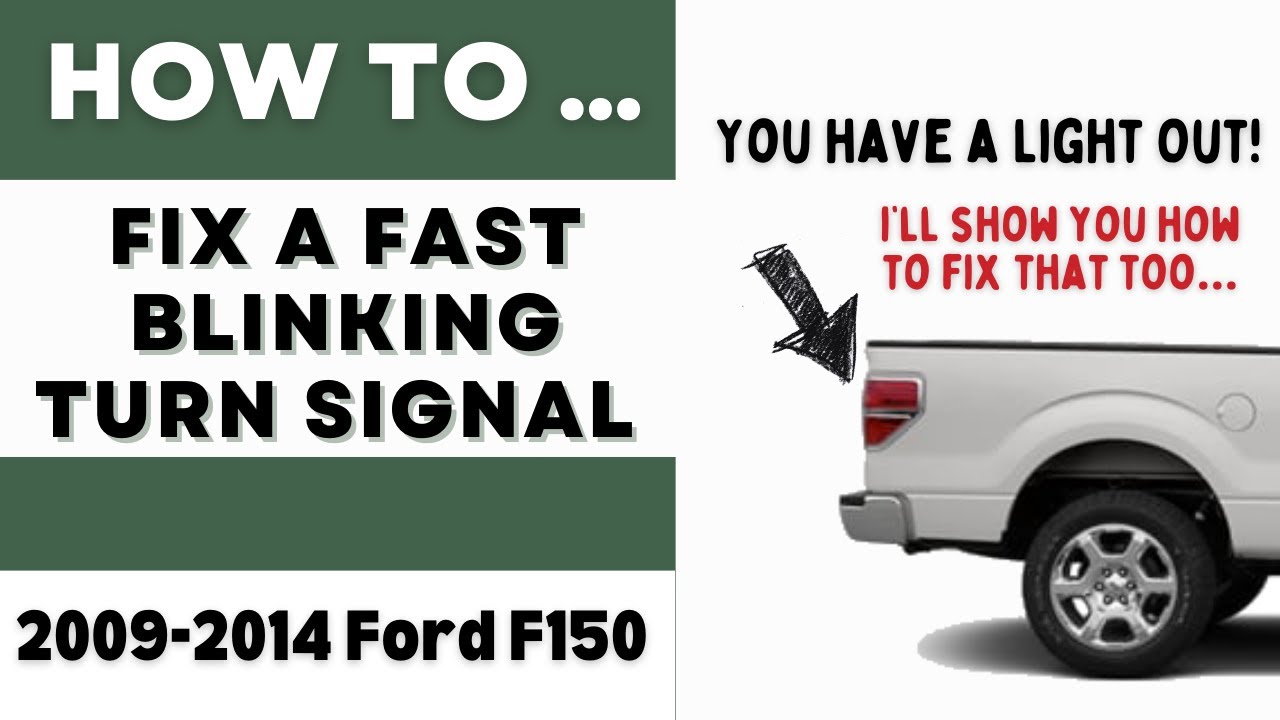
Credit: www.youtube.com
When To See A Professional
If you’ve tried the obvious fixes and your F150 turn signal still blinks fast, it’s time to consult a qualified mechanic. This is especially true for wiring, module, or computer-related issues that require special tools and knowledge.
For more technical information about automotive lighting systems, see this resource from Wikipedia.
Frequently Asked Questions
Why Does My F150 Turn Signal Blink Fast After Installing Led Bulbs?
LED bulbs use less power, which makes the system think a bulb is out. Add a load resistor or use an LED-compatible flasher.
Is It Safe To Drive With A Fast-blinking Turn Signal?
It’s not safe because other drivers may not see your signal clearly. You could also get a ticket. Fix the issue as soon as possible.
Can A Faulty Relay Cause Fast Blinking On My F150?
Yes, a bad relay can cause unpredictable blinking speeds. Replacing the relay is an easy and affordable fix.
Do I Need To Replace Both Turn Signal Bulbs If Only One Is Out?
You only need to replace the dead bulb, but it’s a good idea to check and possibly replace both if they’re old.
What Should I Check First If My F150 Turn Signal Blinks Fast?
Start with the bulbs, then check sockets, wiring, and relays. If all are good, check ground connections and trailer wiring.
Taking care of your F150 turn signal issues quickly can keep you safe and avoid bigger electrical problems. Whether you fix it yourself or see a pro, understanding all possible causes gives you an advantage and helps you make better choices.

Credit: www.reddit.com