
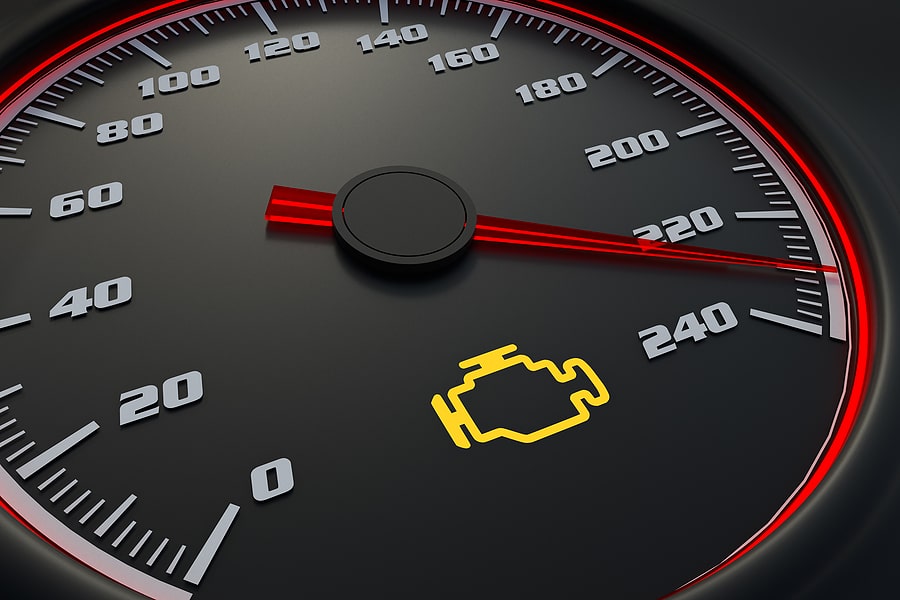
If you drive a Ford F-150, you might see the engine light blinking on your dashboard. This flashing warning can be stressful, especially if you are not sure what it means. Some people ignore it, hoping it will go away. Others panic and stop their truck immediately. The truth is, a blinking engine light is not something you should take lightly. It tells you there is a serious issue with your truck’s engine or emissions system. If you act quickly, you can often avoid bigger problems and expensive repairs.
This article will help you understand everything about the F-150 engine light blinking. You will learn what causes it, what to do if it happens, and how to prevent it in the future. We will go through 150 possible reasons for the blinking light, so you can be better prepared. Whether you are a new F-150 owner or have driven these trucks for years, you will find practical advice and clear steps here.
Why The F-150 Engine Light Blinks
The engine light (also called the Check Engine Light or CEL) flashes for a reason. Unlike a steady light, a blinking light means the problem is urgent. It usually relates to engine misfires, which can damage your catalytic converter. This device helps control your truck’s emissions. If it fails, repairs can cost thousands of dollars.
A blinking engine light does not always mean your truck will stop running. However, it signals that something is wrong and needs attention right away. Ignoring it could lead to engine damage or safety issues. Understanding the causes can help you react correctly.
What To Do When The Engine Light Flashes
If you see the engine light blinking while driving, here is what you should do:
- Slow down and reduce load. Avoid hard acceleration, towing, or driving at high speeds.
- Check for other warnings. Look for unusual noises, smells, or loss of power.
- Pull over safely. If the truck shakes, loses power, or runs rough, stop in a safe place.
- Turn off the engine. Let it cool for a few minutes.
- Check basic things. Open the hood. Look for loose wires, leaking fluids, or broken hoses.
- Restart and see if light returns. If the light is still blinking, do not drive further.
- Call for help or tow. Driving with the blinking light can damage your engine.
If you must drive, go slowly and head straight to a mechanic. Do not ignore the issue or keep driving long distances.

Credit: www.westlieford.com
Understanding Engine Codes
When the light blinks, the truck’s computer stores a trouble code. This code helps identify the problem. Mechanics use a scan tool to read the code. You can buy a small scan tool or use auto parts stores that offer free code reading.
Common codes related to a blinking engine light include:
- P0300: Random cylinder misfire
- P0301-P0312: Misfire in specific cylinders
- P0420: Catalytic converter efficiency below threshold
Reading the code gives you a starting point. But you still need to check what is causing the code.
150 Causes Of F-150 Engine Light Blinking
There are many reasons why your F-150’s engine light may blink. Here are 150 possible causes, grouped by systems and symptoms. Each one can trigger the light and should be checked.
1. Faulty Spark Plug
A worn or damaged spark plug can cause engine misfires.
2. Failing Ignition Coil
The ignition coil sends power to the spark plugs. If it fails, the engine may misfire.
3. Bad Spark Plug Wire
Cracked or old wires can stop electricity from reaching the plug.
4. Dirty Fuel Injector
If the fuel injector is blocked, fuel cannot reach the cylinder.
5. Clogged Fuel Filter
A clogged filter reduces fuel flow, causing misfires.
6. Failing Fuel Pump
The fuel pump may not deliver enough fuel pressure.
7. Bad Mass Air Flow (maf) Sensor
A faulty MAF sensor sends wrong air flow data to the computer.
8. Faulty Oxygen Sensor
If the O2 sensor fails, the engine may run too rich or lean.
9. Bad Camshaft Position Sensor
This sensor helps control spark and fuel timing.
10. Crankshaft Position Sensor Failure
A bad crank sensor causes misfires and rough running.
11. Vacuum Leak
Leaking hoses can cause the engine to get too much air.
12. Intake Manifold Gasket Leak
A cracked gasket allows unmetered air to enter the engine.
13. Pcv Valve Failure
A stuck PCV valve can upset the air/fuel balance.
14. Leaking Head Gasket
Coolant or oil leaks into the cylinders, causing misfires.
15. Blown Cylinder Head
A damaged head causes loss of compression and rough running.
16. Low Engine Compression
Worn piston rings or valves lead to low compression and misfires.
17. Bad Egr Valve
A stuck open EGR valve lets exhaust into the intake at the wrong time.
18. Dirty Throttle Body
Carbon buildup restricts airflow.
19. Bad Throttle Position Sensor
The engine computer gets wrong throttle data.
20. Failing Engine Control Module (ecm)
A faulty ECM may send bad signals to engine parts.
21. Timing Chain/belt Issues
If the timing is off, the engine will run poorly.
22. Damaged Catalytic Converter
A clogged converter causes backpressure and misfires.
23. Faulty Knock Sensor
A bad sensor can cause poor engine performance.
24. Bad Engine Coolant Temperature Sensor
Wrong temperature readings affect fuel delivery.
25. Fuel Contamination
Water or dirt in the fuel tank causes poor combustion.
26. Faulty Fuel Pressure Regulator
Incorrect fuel pressure leads to misfires.
27. Bad Map Sensor
The manifold absolute pressure sensor affects fuel delivery.
28. Stuck Open Thermostat
Improper engine temperature control can cause running problems.
29. Overheated Engine
High temperatures can cause misfires and damage.
30. Weak Battery Or Charging System
Low voltage can cause ignition and fuel delivery issues.
31. Corroded Electrical Connections
Bad connections can stop sensors from working.
32. Blown Fuse
Critical systems may lose power.
33. Faulty Idle Air Control Valve
Controls idle speed; if stuck, engine may stall or misfire.
34. Malfunctioning Vvt Solenoid
Variable Valve Timing issues cause poor performance.
35. Dirty Or Clogged Air Filter
Reduces air to the engine.
36. Leaking Fuel Injector O-rings
Allows unmetered air to enter.
37. Faulty Evap Purge Valve
Affects emissions and engine performance.
38. Fuel Line Leak
Reduces fuel pressure to the injectors.
39. Worn Camshaft
Affects valve timing and engine power.
40. Broken Valve Spring
Prevents proper valve operation.
41. Sticking Valves
Causes poor combustion and misfires.
42. Burnt Exhaust Valve
Leads to loss of compression.
43. Clogged Pcv System
Affects air flow and fuel mixture.
44. Bad Engine Mount
Can cause vibration, mistaken for misfire.
45. Loose Engine Ground
Can cause random electrical failures.
46. Intake Air Leak
Unmetered air affects fuel mixture.
47. Faulty Cylinder Head Temperature Sensor
Gives wrong engine temp readings.
48. Failing Fuel Rail Pressure Sensor
Incorrect fuel delivery information.
49. Faulty Ignition Switch
May intermittently cut power to systems.
50. Engine Oil Leaks
Can foul plugs or sensors.
51. Worn Piston Rings
Leads to oil burning and misfires.
52. Worn Valve Guides
Oil leaks into combustion chamber.
53. Incorrect Spark Plug Gap
Improper gap leads to weak spark.
54. Wrong Spark Plug Type
Not all plugs work for every engine.
55. Old Or Bad Gasoline
Low-quality gas can cause engine knock or misfire.
56. Failed Emissions Components
Other emission system faults can affect engine.
57. Sensor Harness Damage
Wiring problems can stop sensors from working.
58. Misrouted Vacuum Lines
Incorrect routing causes leaks.
59. Intake Manifold Crack
Unmetered air enters, causing lean condition.
60. Dirty Engine Oil
Old oil causes friction and heat.
61. Overfilled Oil
Too much oil can cause foaming.
62. Low Oil Level
Not enough oil leads to overheating.
63. Incorrect Oil Viscosity
Wrong oil type affects engine protection.
64. Failed Oil Pressure Sensor
Gives wrong oil pressure data.
65. Faulty Coolant Sensor Wiring
Sensor cannot send accurate data.
66. Clogged Radiator
Leads to overheating and misfires.
67. Bad Fan Clutch
Overheating causes engine problems.
68. Broken Serpentine Belt
Many systems lose power.
69. Bad Alternator
Low voltage affects sensors and ignition.
70. Bad Starter
Can cause intermittent starting and running issues.
71. Failed Crankcase Ventilation
Increases pressure and oil leaks.
72. Stuck Closed Thermostat
Engine overheats, causing misfires.
73. Radiator Hose Leak
Loss of coolant leads to overheating.
74. Water Pump Failure
Engine overheats quickly.
75. Faulty Heater Core
Can cause coolant leaks inside the cabin.
76. Clogged Heater Hose
Poor coolant flow causes overheating.
77. Blown Intake Gasket
Allows coolant into the intake.
78. Broken Timing Chain Tensioner
Causes timing issues and misfires.
79. Jumped Timing Chain
Valve timing is out of sync.
80. Cam Phaser Issues
Affects valve timing in modern engines.
81. Failed Variable Valve Timing Solenoid
Poor performance at different speeds.
82. Bad Rocker Arm
Reduces valve lift and timing.
83. Faulty Push Rod
Affects valve operation.
84. Worn Lifters
Can cause ticking noise and misfire.
85. Bad Distributor Cap Or Rotor (older Models)
Causes weak or no spark.
86. Faulty Ignition Control Module
No spark to plugs.
87. Fuel Injector Harness Fault
Stops injectors from firing.
88. Blown Intake Valve
Loss of compression and rough running.
89. Bad Exhaust Manifold Gasket
Exhaust leak can affect sensors.
90. Cracked Exhaust Manifold
Affects backpressure and sensor readings.
91. Egr Passage Blockage
Affects emissions and engine smoothness.
92. Failed Egr Solenoid
Cannot control exhaust flow.
93. Faulty Egr Vacuum Regulator
Incorrect vacuum to EGR valve.
94. Knock Sensor Wiring Issue
Sensor cannot send data.
95. Failed Catalytic Converter Heater
Affects emissions and engine function.
96. Bad Secondary Air Injection Pump
Emissions system failure.
97. Air Injection Check Valve Failure
Backflow into the pump.
98. Faulty Charcoal Canister
Affects evaporative emissions.
99. Defective Fuel Tank Pressure Sensor
Incorrect tank pressure readings.
100. Fuel Cap Not Tightened
Triggers evaporative system error.
101. Wrong Fuel Type
Diesel in gas engine or vice versa.
102. Bad Fuel Quality
Contaminated or low-grade fuel.
103. Fuel Additive Overuse
Can foul plugs or sensors.
104. Failed Intake Air Temperature Sensor
Affects air-fuel mix.
105. Engine Overloading
Towing or hauling above truck limits.
106. Aftermarket Engine Modifications
Poorly tuned parts can cause misfires.
107. Unapproved Performance Chips
May cause incorrect timing or fueling.
108. Bad Engine Ground Strap
Causes random electrical faults.
109. Broken Or Disconnected Vacuum Hose
Leads to unmetered air.
110. Faulty Intake Resonator
Changes air flow and can affect sensors.
111. Clogged Injector Nozzle
Reduces fuel atomization.
112. Frozen Fuel Line
Can occur in extreme cold.
113. Bad Engine Temperature Sensor
Incorrect temperature data.
114. Broken Spark Plug Electrode
Causes poor spark.
115. Stuck Open Fuel Injector
Too much fuel in cylinder.
116. Worn Camshaft Lobes
Affects valve operation.
117. Camshaft Sensor Wiring Issue
No signal to engine computer.
118. Broken Timing Chain Guide
Causes timing chain rattle and misfire.
119. Faulty Engine Relay
Random loss of power to systems.
120. Failed Pcm Power Or Ground
Engine computer cannot operate.
121. Water In Spark Plug Well
Causes misfire.
122. Oil In Spark Plug Well
Oil fouls the plug.
123. Bad Engine Wiring Harness
Random sensor and ignition failures.
124. Faulty Injector Driver Module
Injectors will not fire.
125. Weak Ignition System Ground
Can cause misfires.
126. Faulty Egr Cooler
Affects exhaust gas temperature.
127. Damaged Turbocharger (ecoboost)
Causes poor air delivery.
128. Boost Leak (ecoboost)
Loss of turbo boost pressure.
129. Intercooler Leak (ecoboost)
Reduces power and causes misfire.
130. Bad Wastegate Solenoid (ecoboost)
Turbo boost not controlled properly.
131. Failed Turbo Bypass Valve (ecoboost)
Loss of boost, poor performance.
132. Faulty Direct Injection Pump (ecoboost)
Low fuel pressure at high demand.
133. Clogged High-pressure Fuel Filter (ecoboost)
Poor fuel delivery.
134. Oil Dilution (ecoboost)
Short trips cause fuel in oil.
135. Carbon Buildup On Intake Valves (ecoboost)
Direct injection engines are prone to this.
136. Clogged Oil Separator (ecoboost)
Oil enters intake system.
137. Failed Intake Manifold Tuning Valve
Affects air flow at different RPMs.
138. Faulty Intake Runner Control
Reduces engine power.
139. Failed Cylinder Deactivation Solenoid
Improper cylinder shutdown in V8s.
140. Broken Valve Lifter Lock Pin
Affects cylinder deactivation.
141. Faulty Oil Control Valve
Affects VVT operation.
142. Clogged Oil Passage
Reduces lubrication, causes engine wear.
143. Bad Cam Timing Actuator
Affects valve timing.
144. Broken Rocker Arm Shaft
Valve train failure.
145. Bent Push Rod
Valve operation affected.
146. Broken Valve Spring Retainer
Valve drops into cylinder.
147. Broken Timing Chain Sprocket
Timing lost, engine may not start.
148. Cracked Engine Block
Loss of compression and coolant.
149. Warped Cylinder Head
Loss of compression.
150. Blown Engine
Total loss of compression, severe misfire.
Credit: www.fordofwestmemphis.com
How To Diagnose The Problem
Not all 150 causes are common, but knowing them helps you ask smart questions. The most likely causes are spark, fuel, and air delivery problems. Here are steps you can take:
- Read the code. Get the trouble code with a scan tool.
- Check for symptoms. Listen for rough running, loss of power, or unusual noises.
- Inspect visible parts. Look for loose wires or leaking fluids.
- Test common parts. Swap spark plugs or coils between cylinders to see if the code follows the part.
- Seek expert help. If you cannot find the cause, visit a trusted mechanic.
Preventing Engine Light Issues
Most engine light causes can be prevented with good maintenance:
- Change spark plugs and wires at recommended intervals.
- Use high-quality fuel and oil.
- Replace air and fuel filters regularly.
- Keep sensors and connectors clean and dry.
- Address any small problems early.
Also, avoid common mistakes like driving with a loose gas cap or ignoring unusual engine noises.
Repair Costs And Data
Repair costs vary by problem. Here is a quick comparison of common issues:
| Problem | Average Repair Cost | Typical Repair Time |
|---|---|---|
| Spark Plug Replacement | $100–$200 | 1–2 hours |
| Ignition Coil Replacement | $150–$300 | 1 hour |
| Fuel Injector Cleaning/Replacement | $250–$600 | 2–4 hours |
| Catalytic Converter Replacement | $900–$2,500 | 2–4 hours |
EcoBoost-specific repairs tend to cost more, especially for turbo and direct injection parts.
Comparing Steady Vs. Blinking Engine Light
Drivers sometimes ask about the difference between a steady and a blinking engine light. Here’s a simple breakdown:
| Light Type | Meaning | Urgency | Action Needed |
|---|---|---|---|
| Steady | Non-urgent problem | Low to moderate | Check soon |
| Blinking | Misfire or serious engine fault | High | Stop and repair immediately |
A blinking light is always more serious. Do not drive far with a blinking engine light.

Credit: www.youtube.com
Real-world Example
Let’s say your 2018 F-150 EcoBoost’s engine light starts flashing on the highway. The truck loses power and vibrates. You pull over safely, read the code (P0302), which means a misfire in cylinder 2. After checking, you find the spark plug is worn out.
Replacing it stops the blinking light and the truck runs smoothly again. Acting fast prevented damage to the catalytic converter.
This shows why it’s important to react quickly and not guess at the cause.
Where To Get Help
Do not feel you must fix everything yourself. If you are unsure, get help from a mechanic or a Ford dealer. Many auto parts stores will scan your codes for free. Online forums and resources such as the official Ford support page can also help you learn more.
Frequently Asked Questions
What Does It Mean If My F-150 Engine Light Is Blinking?
A blinking engine light means the engine is misfiring or has a serious fault. This is more urgent than a steady light. It can cause damage to the catalytic converter if you keep driving.
Can I Drive My F-150 With The Engine Light Blinking?
It is not safe to drive with a blinking engine light. You should stop as soon as possible and have the truck checked. Driving can lead to expensive engine or emissions damage.
What Is The Most Common Cause Of A Blinking Engine Light In F-150?
The most common cause is an engine misfire due to bad spark plugs, ignition coils, or fuel injectors. These parts should be checked first.
How Much Does It Cost To Fix A Blinking Engine Light Issue?
Repair costs depend on the problem. It can be as little as $100 for spark plugs, up to $2,500 for a catalytic converter. Getting the code read will help estimate the cost.
What Should I Do If The Blinking Light Goes Off By Itself?
If the light stops blinking but stays on, have your truck checked soon. The engine’s computer still stores the trouble code, which a mechanic can read and use to fix the issue.
A blinking engine light on your F-150 is always a warning to act now. Quick action can save you money and prevent bigger problems. With the right knowledge and care, you can keep your F-150 running strong for years.