
When your eye feels bruised when blinking, it can be surprising and uncomfortable. Many people experience this sensation suddenly, often without a clear reason. The pain might feel like a deep ache, a soreness around the eye socket, or a sharp pain when you close your eyelids. Sometimes, there are no visible signs of injury—no redness, no swelling. This can make you worry and wonder: is it something serious, or just a minor irritation?
You are not alone if you have felt this kind of pain. While it is common to experience mild eye discomfort from time to time, pain that feels like a bruise—especially when blinking—should not be ignored. The reasons behind this problem can range from simple dryness to more complex medical conditions.
Understanding the possible causes, what to look out for, and when to seek help can make a big difference for your eye health and peace of mind.
In this article, you will learn about the most common causes of eye pain that feels bruised when blinking, how to recognize warning signs, treatment options, and practical steps to care for your eyes at home. You will also find answers to common questions about this topic.
If you want to understand what’s happening with your eyes, you are in the right place.
What Does It Mean When Your Eye Feels Bruised When Blinking?
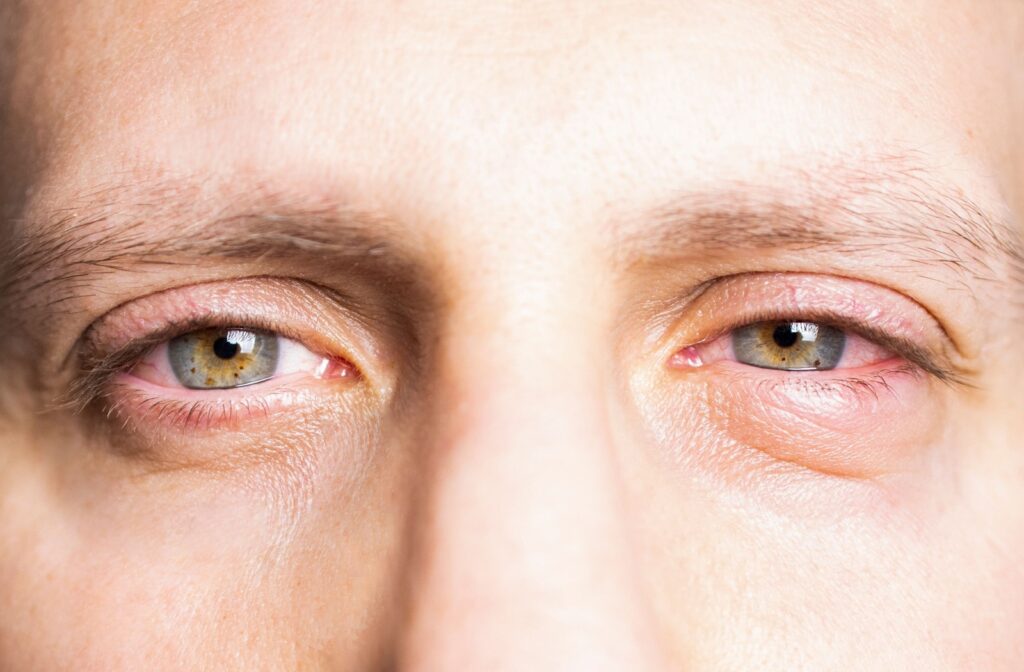
When people describe a bruised feeling in the eye, they usually mean a soreness or tenderness around or behind the eye, especially felt during blinking. This is different from surface irritation like itching or burning. It feels deeper, almost as if you have been punched in the eye, even if there is no visible mark.
This sensation can affect one or both eyes. It might come and go, or be constant. Sometimes, you notice it most when you press lightly on your eyelid or around your eye socket. Blinking can make the pain sharper because your eyelids are moving over the surface and pressing against the eye.
How Is A “bruised” Eye Pain Different?
- Surface pain is usually sharp, stinging, or burning.
- Deep pain (bruised feeling) is dull, aching, and located behind or around the eye.
- Pain when blinking often means the eyelid movement is involved, not just the eyeball.
Some people also experience swelling, redness, tearing, or blurred vision. Others notice only the pain. It is important to pay attention to any new or changing symptoms.
Common Causes Of A Bruised Sensation In The Eye
Many things can make your eye feel bruised when blinking. Some causes are minor, while others need medical attention. Here are the most common reasons:
1. Eye Injury
Even a small injury can cause this sensation. You may have bumped your eye, scratched it with a fingernail, or gotten poked accidentally. Sometimes, rubbing your eye too hard can also lead to soreness.
Signs of injury:
- Tenderness around the eye
- Redness or swelling
- Mild bruising under the skin
- Blurred vision or increased tearing
2. Stye Or Chalazion
A stye is a red, painful bump on the edge of your eyelid, caused by a bacterial infection. A chalazion is a blocked oil gland in the eyelid. Both can cause a bruised or sore feeling, especially when blinking.
Key differences:
| Feature | Stye | Chalazion |
|---|---|---|
| Pain | Usually painful | Usually painless or mildly sore |
| Location | Edge of eyelid | Deeper in eyelid |
| Redness | Common | Less common |
| Swelling | Localized | More diffuse |
3. Dry Eye Syndrome
Your eyes need moisture to stay comfortable. When they do not make enough tears, or the tears evaporate too quickly, you can get dry eye syndrome. This often leads to soreness, a bruised feeling, and a gritty sensation, especially when you blink.
Other signs:
- Red, irritated eyes
- Light sensitivity
- Blurred vision that improves with blinking
4. Sinus Infection (sinusitis)
Your sinuses are air-filled spaces around your nose and eyes. When they are inflamed or infected, pressure builds up behind your eyes. This can cause a deep, bruised pain, usually worse when you blink, bend over, or touch your face.
Signs of sinusitis:
- Stuffy or runny nose
- Facial pain or pressure
- Headache, especially around the eyes
5. Blepharitis
Blepharitis is inflammation of the eyelids. It is often caused by bacteria, skin conditions, or blocked oil glands. This can make your eyelids sore, swollen, and tender when you blink.
Other symptoms:
- Crusty eyelashes
- Red, itchy eyelids
- Burning sensation
6. Conjunctivitis (pink Eye)
Conjunctivitis is swelling of the clear tissue covering your eye and inside your eyelids. It can be caused by viruses, bacteria, or allergies. While it often causes itching and redness, it can sometimes make your eye feel bruised, especially if the infection is severe.
Look for:
- Red or pink eye
- Watery or sticky discharge
- Itching or burning
7. Foreign Body In The Eye
A small object, like an eyelash, dust, or sand, can get trapped under your eyelid. This can scratch the surface of your eye and cause a bruised, sore feeling when you blink.
Warning signs:
- Feeling of something in your eye
- Tearing or redness
- Sudden pain with blinking
8. Cluster Headaches Or Migraines
Sometimes, pain from a migraine or cluster headache feels like it is coming from behind or around the eye. This pain can be severe and is often described as throbbing or aching, similar to a bruise.
Associated symptoms:
- Light sensitivity
- Nausea
- Tearing or red eye (with cluster headaches)
9. Orbital Cellulitis
This is a serious infection of the tissues around the eye, usually caused by bacteria. Orbital cellulitis can cause severe pain, swelling, and a bruised feeling. It is more common in children but can affect adults.
Important signs:
- Swelling and redness around the eye
- Fever
- Eye bulging or movement problems
- Vision changes
10. Optic Neuritis
Optic neuritis is inflammation of the optic nerve, which connects your eye to your brain. This can cause deep eye pain, especially with eye movement or blinking. It can also cause vision loss.
Other signs:
- Color vision changes
- Blurred or dim vision
- Pain with eye movement
11. Eye Strain
Long hours of reading, computer work, or screen use can tire the muscles around your eyes. This can lead to a sore, bruised feeling, especially at the end of the day.
Typical symptoms:
- Tired, achy eyes
- Blurred vision
- Headache
12. Rare But Serious Causes
Other rare causes include tumors, glaucoma, or autoimmune diseases. These are less common but can present as deep, bruised eye pain. Always seek help if you have vision loss, severe pain, or any warning signs.
How To Tell If Your Eye Pain Is Serious
Most eye pain is not dangerous and goes away on its own. However, some symptoms mean you need to see a doctor right away. Use this guide to help decide:
| Symptom | What to Do |
|---|---|
| Sudden vision loss | Go to the emergency room |
| Severe pain | See a doctor within 24 hours |
| Swelling, fever, or bulging eye | Emergency care needed |
| Injury with metal, glass, or chemicals | Immediate medical attention |
| Eye pain with headaches, vomiting, or confusion | Urgent care needed |
If your pain is mild, with no other symptoms, you can try home care first. But do not delay seeking help if you notice any warning signs.
Home Care And First Aid For A Bruised Eye Feeling
If your eye feels bruised when blinking but you have no serious symptoms, there are several things you can try at home.
1. Rest Your Eyes
Give your eyes a break from screens, reading, or close work. Close your eyes for a few minutes every hour to reduce strain.
2. Use A Cold Compress
A clean, cold washcloth over your closed eye can help reduce swelling and soreness. Do this for 10–15 minutes, several times a day.
3. Artificial Tears
Over-the-counter artificial tears can help if your pain is from dryness. Use as directed, but avoid eye drops with preservatives for long-term use.
4. Warm Compress For Styes Or Chalazion
A warm, moist cloth held gently over the eyelid can help open blocked glands and reduce pain. Do this for 5–10 minutes, 2–4 times a day.
5. Avoid Rubbing Or Touching Your Eye
Rubbing can make things worse, especially if you have a scratch, stye, or infection.
6. Remove Contact Lenses
Take out your contact lenses until your pain is gone. Clean them well before using them again, or switch to new ones.
7. Gently Rinse Your Eye
If you suspect something is in your eye, rinse with clean water or sterile saline. Blink several times to help flush out debris.
8. Take Over-the-counter Pain Medicine
Acetaminophen or ibuprofen can reduce pain and inflammation. Follow the dosage instructions.
9. Good Hygiene
Wash your hands before touching your eyes. Do not share towels or pillowcases, especially if you have an infection.
When To Stop Home Care
If your pain gets worse, new symptoms appear, or you are not improving after 24–48 hours, see a doctor.

Credit: www.reddit.com
Medical Treatments And When To See A Doctor
Some causes of a bruised eye feeling need professional care. Here is what your doctor might do:
Eye Exam
An eye doctor will check your vision, eye movements, and look for signs of infection, injury, or other problems. They may use special lights and dyes to see the surface of your eye.
Prescription Medicines
- Antibiotic drops or ointments for bacterial infections or styes
- Steroid drops for inflammation (never use these without a doctor’s advice)
- Oral antibiotics for severe infections like orbital cellulitis
Treating Dry Eye
Your doctor may suggest prescription eye drops, punctal plugs (tiny devices to block tear drainage), or other treatments for dry eye.
Treating Sinusitis
If a sinus infection is the cause, you may need antibiotics or decongestants. For allergies, antihistamines can help.
Special Tests
If a serious problem is suspected, you may need blood tests, imaging (like a CT scan), or referral to a specialist.
Non-obvious insight: Many people do not realize that some over-the-counter eye drops can make certain eye problems worse, especially if used incorrectly. Always check with your doctor before starting new eye medications.
Prevention Tips: How To Protect Your Eyes
Protecting your eyes is key to avoiding pain and injury. Here are some practical steps:
- Wear safety glasses when doing activities that could injure your eyes (sports, home repairs, using chemicals).
- Wash your hands often, especially before touching your eyes or putting in contact lenses.
- Avoid sharing towels, makeup, or eye drops with others.
- Limit screen time and take frequent breaks using the “20-20-20 rule”: Every 20 minutes, look at something 20 feet away for 20 seconds.
- Use a humidifier if you live in a dry climate or have dry eyes.
- Clean eyelids gently if you have blepharitis or frequent styes.
- See an eye doctor regularly, even if you do not have symptoms.
Practical tip: If you have allergies, keeping windows closed during high pollen seasons and using air filters can reduce eye irritation.
:max_bytes(150000):strip_icc()/VWH-EVERGREEN-Left-Eye-Pain-Why-It-Hurts-and-How-to-Relieve-It-1-FINAL-TEXT-1-1-f39feb0d4c644f6db182c332c7e922ca.png)
Credit: www.verywellhealth.com
How Eye Pain Is Diagnosed
When you see a doctor for eye pain, they use different tools and questions to figure out the cause.
History And Symptoms
You will be asked about:
- When the pain started
- What makes it better or worse
- Any injuries or recent illnesses
- Other symptoms (fever, vision changes, discharge)
Eye Examination
The doctor may use:
- Slit lamp: A special microscope to look at your eye in detail
- Fluorescein dye: To check for scratches or ulcers
- Eyelid flipping: To look for hidden foreign objects
Imaging
If infection or deeper problems are suspected, you may need:
- CT scan: To look for sinus or orbital problems
- MRI: For nerve or brain issues
Lab Tests
For certain infections or immune problems, blood tests or eye swabs may be used.
Non-obvious insight: Some eye problems, like optic neuritis, may be linked to diseases like multiple sclerosis. Early diagnosis can help with proper treatment and follow-up.
When To Worry About Eye Pain When Blinking
While most cases are mild, there are specific signs that mean you need urgent care:
- Vision loss (sudden or gradual)
- Double vision
- Severe headache with eye pain
- Eye bulging or inability to move the eye
- High fever with eye pain
- History of recent eye surgery or injury with new pain
These can signal serious issues like glaucoma, infection, or neurological problems. Do not wait—get help immediately.
Credit: griffinoptometric.com
Myths And Misconceptions About Eye Pain
Many people believe that eye pain always means an infection, or that it will go away with rest. Some think that all eye drops are safe or that rubbing your eye is harmless.
Common Myths
- “If there’s no redness, it’s not serious.” Some eye problems are painless or invisible but still dangerous.
- “It’s just a stye, it will go away.” While most styes heal on their own, some need medical treatment.
- “All eye pain is from strain or tiredness.” Serious conditions can also cause pain, even without other signs.
It is important to listen to your body and seek help if something feels wrong.
Real-world Examples
Case 1: The Office Worker
Maria, a 32-year-old office worker, noticed a bruised feeling around her right eye after a week of overtime and late-night screen use. She had no redness or swelling. After resting her eyes, using artificial tears, and taking regular breaks, her pain disappeared in three days.
Case 2: The Child With Sinusitis
Ethan, age 10, complained of a sore, bruised eye and stuffy nose. His mother noticed mild swelling around his eyelid. The doctor diagnosed sinusitis and prescribed antibiotics. Within a week, his symptoms resolved.
Case 3: The Athlete With A Stye
Jake, a 24-year-old basketball player, developed a painful bump on his eyelid after touching his eyes with unwashed hands. Warm compresses and antibiotic ointment helped his stye heal in a few days.
These stories show that while most eye pain is mild, paying attention to your symptoms and taking the right steps can speed recovery.
Frequently Asked Questions
Why Does My Eye Hurt When I Blink But Looks Normal?
This can be due to dry eye, mild blepharitis, or even eye strain. Not all eye problems cause redness or swelling. If your pain is mild and you have no other symptoms, try home care first. If it lasts more than a few days, see an eye doctor.
Can Stress Or Tiredness Cause A Bruised Feeling In My Eye?
Yes, eye strain from stress, lack of sleep, or long hours at the computer can cause soreness or a bruised sensation. Rest, artificial tears, and taking breaks often help.
When Should I See A Doctor For Eye Pain When Blinking?
See a doctor if you have vision changes, severe pain, swelling, fever, or recent injury. If your pain is mild and gets better with home care, you may not need to see a doctor right away.
Can I Use Any Eye Drops For Pain?
Not all eye drops are safe. Some, like those for redness, can make problems worse if used too much. Only use artificial tears for dryness or as prescribed by your doctor. Avoid steroid drops unless directed by a professional.
Is A Bruised Eye Feeling Always Caused By An Infection?
No, many cases are due to injury, dryness, allergies, or strain. Infections are just one possible cause. If you have discharge, redness, or fever, see a doctor.
For more details about eye health and common conditions, you can check the American Academy of Ophthalmology.
Taking care of your eyes is essential for a healthy life. If your eye feels bruised when blinking, do not ignore it. Most causes are minor, but knowing when to seek help can protect your vision and comfort. When in doubt, always ask your eye doctor for guidance.