
Many parents notice their toddler starts blinking a lot—sometimes very quickly, or with force. It can be worrying, especially if it starts suddenly and lasts for days or weeks. Is this just a phase, or could it mean something more? Understanding excessive blinking in toddlers is important, because while it is often harmless, sometimes it signals deeper issues needing attention.
Toddlers are still learning to control their bodies and express their feelings. Their eyes, like the rest of their bodies, are sensitive to the environment, emotions, and health. In most cases, frequent blinking is temporary. However, parents should know what causes it, when to worry, and how to help their child feel better.
This article explains why toddlers may blink too much, when it could be a sign of a medical problem, and what parents can do. You’ll learn how to observe your child, which treatments help, and when to call your doctor.
We’ll also cover common myths and give clear advice, so you feel confident handling this situation.
What Is Excessive Blinking In Toddlers?
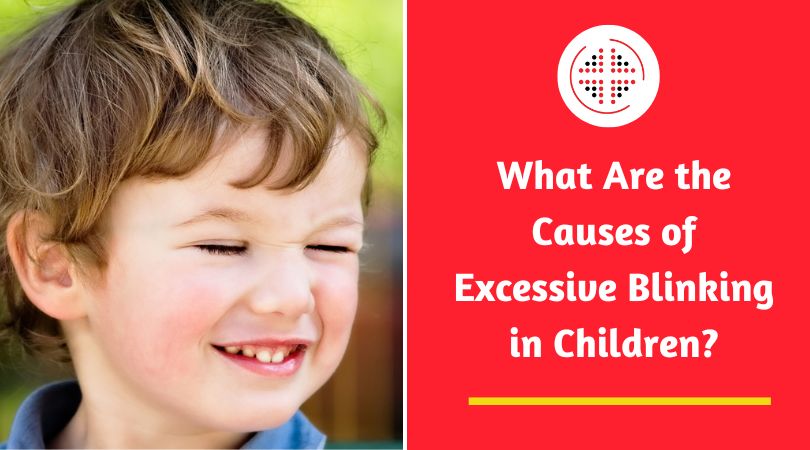
Excessive blinking means blinking more often than usual. Most toddlers blink around 10–20 times per minute. If you notice your child blinking much more—sometimes 30, 40, or even 60 times per minute—it can seem odd or distracting.
It’s important to know that toddlers’ blinking patterns are not as steady as adults’. They might blink a lot for a few minutes, then return to normal. But when blinking is frequent, forceful, or paired with other changes, it’s worth paying attention.
Signs Of Excessive Blinking
- Blinking rapidly, sometimes several times in a row
- Squeezing eyes tightly
- Rolling or moving eyes while blinking
- Rubbing eyes often
- Blinking mostly when focused on a screen or bright light
Occasional rapid blinking is common during play or tiredness. But if you see these signs often, or they last for more than a week, it’s time to look closer.
Common Causes Of Excessive Blinking
There are many reasons a toddler might blink too much. Some are harmless, while others need treatment. The main causes include:
1. Eye Irritation
Dryness, dust, or allergies can make eyes uncomfortable. Toddlers may blink more to protect their eyes or clear away irritants.
- Dry air: Indoor heating or air conditioning dries out the air, leading to dry eyes.
- Allergies: Pollen, pet dander, or dust can cause redness, itching, and blinking.
- Foreign objects: A small eyelash or dust particle can make a child blink a lot.
2. Habit Or Tics
Some toddlers develop a blinking habit or tic. This means the blinking is not caused by a medical problem, but by a sudden urge or routine.
- Simple motor tic: A brief, repeated movement (like blinking) that comes and goes.
- Habitual blinking: Sometimes follows an eye infection or irritation, but stays after the eyes are healthy.
Tics are more common in boys and often start between ages 2 and 5. Most tics go away on their own.
3. Emotional Factors
Toddlers feel stress, anxiety, and excitement, even if they cannot say it. Changes at home, new experiences, or even boredom can cause emotional blinking.
- Stress or anxiety: Big changes (a new sibling, moving house) can increase blinking.
- Attention-seeking: Sometimes, blinking gets a reaction from adults, so the child continues.
4. Vision Problems
If a child cannot see clearly, they may blink to try to focus. Refractive errors like nearsightedness or astigmatism can cause excessive blinking.
- Blurry vision: The child might squint, rub their eyes, or move close to objects.
- Focusing issues: Difficulty focusing can lead to blinking, especially when looking at books or screens.
5. Medical Conditions
A few medical issues can cause more blinking:
- Blepharitis: Inflammation of the eyelids, causing redness and crusting.
- Conjunctivitis (pink eye): Infection causing red, sticky eyes.
- Corneal abrasion: A scratch on the eye’s surface, often painful.
- Seizure disorders: Rare, but some seizures involve repeated blinking.

Credit: mom.com
How To Observe And Record Blinking
Careful observation helps you and your doctor understand what’s happening. Note:
- When does the blinking happen? (Morning, after naps, while watching TV)
- How long has it lasted?
- Other symptoms: Red eyes, discharge, vision changes, fever, or pain.
- Changes in behavior: New fears, irritability, or trouble sleeping.
A simple log can help:
| Day/Time | Blinking Intensity | Other Symptoms | What Was Happening |
|---|---|---|---|
| Monday, 9 AM | High | None | Watching cartoons |
| Monday, 2 PM | Low | Rubbing eyes | Playing outside |
| Tuesday, 6 PM | Medium | Red eyes, watery | After bath |
Writing down these details gives a clearer picture for your pediatrician.
When To Worry: Red Flags
Most excessive blinking is harmless, but some signs mean you should get medical help right away:
- Eye pain or severe discomfort
- Loss of vision or trouble seeing objects
- Light sensitivity (avoiding light, squinting in normal light)
- Swelling, redness, or pus
- Headache, vomiting, or confusion
- Frequent blinking with other body movements (jerking, twitching)
If any of these are present, call your doctor promptly.
Diagnosing Excessive Blinking
Doctors use a step-by-step approach to find the cause:
- Medical history: They’ll ask about symptoms, family history, and recent events.
- Eye exam: Checking for redness, swelling, or foreign objects.
- Vision testing: Looking for blurry vision or refractive errors.
- Neurological exam: If tics or other movements are present.
Sometimes, no clear cause is found. In these cases, the doctor may watch and wait, as many blinking problems resolve on their own.
Diagnostic Tools
Here’s how different causes compare:
| Cause | Exam Needed | Typical Findings |
|---|---|---|
| Eye irritation | Eye surface check | Redness, watery eyes |
| Tics/habits | Behavioral observation | Blinks increase with stress, decrease with distraction |
| Vision problems | Visual acuity test | Poor focus, squinting |
| Medical conditions | Full eye exam | Swelling, pain, discharge |
Treatment And Management
The right treatment depends on the cause. Here are the main options:
Eye Irritation And Allergies
- Rinse eyes with sterile saline or clean water.
- Remove irritants: Keep dust, smoke, and strong scents away.
- Use a humidifier to moisten dry air.
- Antihistamine drops: For allergies, if prescribed by a doctor.
Never use adult eye drops on toddlers unless told by your doctor.
Habitual Blinking And Tics
- Ignore the behavior: Attention can make tics worse.
- Reduce stress: Create calm routines and avoid sudden changes.
- Distract the child: Play games, read stories, or go outside.
- Monitor: Most tics resolve in a few weeks to months.
If the tic lasts longer than three months, talk to your pediatrician.
Vision Problems
- Schedule an eye exam: Glasses may be needed.
- Limit screen time: Too much screen use can worsen blinking.
- Good lighting: Make sure your child has enough light when reading or playing.
Medical Issues
- Treat infections: Pink eye or eyelid infections often need antibiotic drops.
- Eye injuries: Seek emergency care for cuts, swelling, or severe pain.
- See a specialist: Neurologists or eye doctors can help if blinking is part of a larger problem.
Home Care Tips
Parents can do a lot to help at home:
- Keep hands clean: Teach your child not to rub their eyes.
- Clean bedding and toys: Reduces allergens.
- Watch for triggers: Note what seems to make blinking worse.
- Provide reassurance: Tell your child it’s OK and you’re helping.
- Stay calm: Children sense your worry, which can make tics worse.
A common mistake is to scold or tease the child. This can make blinking last longer.
Myths And Misunderstandings
Many parents hear myths about excessive blinking. Here’s what you should know:
- Myth: Blinking always means vision problems.
- Fact: Most cases are not due to poor vision.
- Myth: Tics are a sign of a mental disorder.
- Fact: Simple tics are common and usually outgrow themselves.
- Myth: Only stress causes blinking.
- Fact: Many physical causes exist, from allergies to dry air.
- Myth: The child can stop if they try hard enough.
- Fact: Tics are not under conscious control, especially in toddlers.
Understanding these facts helps you respond with care, not worry.
When To See A Doctor
Most cases do not need urgent care. However, see your pediatrician if:
- Blinking lasts more than two weeks with no improvement
- There’s pain, redness, or vision changes
- Blinking is severe enough to affect daily activities
- Blinking comes with other new tics or movements
- You are worried or unsure
Your doctor may refer you to an eye specialist (ophthalmologist) or a neurologist if needed.
Preventing Excessive Blinking
While not all cases can be prevented, these steps can reduce risk:
- Limit screen time: Too much TV or tablet use can dry the eyes.
- Protect against allergens: Use air filters and keep pets out of bedrooms.
- Ensure good lighting: Poor lighting strains the eyes.
- Regular eye checks: Early detection helps prevent bigger problems.
Prevention At Home Vs. Public Spaces
Here’s a quick comparison:
| Setting | What Helps | Common Triggers |
|---|---|---|
| Home | Clean air, regular cleaning, good lighting | Dust, screens, dry air |
| Preschool/Daycare | Inform teachers, allergy meds if prescribed | Shared toys, outdoor pollen |
| Outdoors | Sunglasses, hats | Pollen, sunlight, wind |
Long-term Outlook
The good news is that most toddlers outgrow excessive blinking without any lasting effects. Tics and habits often disappear as children grow older and develop better control. If vision problems are found, early treatment helps your child see well and stay comfortable.
A few children may have more persistent problems, especially if there is a family history of tics, anxiety, or eye conditions. Regular follow-up with your doctor ensures any new issues are caught early.
Supporting Your Toddler Emotionally
Seeing your child blink a lot can make you feel anxious or helpless. But your calm presence is powerful. Here’s how to support your toddler:
- Stay patient: Don’t draw attention to the blinking. Focus on fun and routine.
- Offer comfort: A gentle hug or reassuring words go a long way.
- Model calm: If you stay relaxed, your child will feel safer.
- Talk about feelings: For older toddlers, ask if something is bothering them.
If your child feels safe and supported, the behavior is less likely to become a bigger issue.

Credit: www.autismparentingmagazine.com
Practical Examples
Imagine your toddler starts blinking a lot after a family move. There are no other symptoms, but the blinking increases when they’re tired or upset. This likely relates to stress. In this case, focus on extra comfort, sticking to routines, and giving the behavior as little attention as possible.
Most likely, it will fade in a few weeks.
In another case, your toddler’s eyes become red and watery after playing in the park. Blinking increases, and the child rubs their eyes. Here, allergies or irritation are likely. Rinsing the eyes, cleaning the hands, and limiting outdoor time during high pollen days can help.
Always trust your instincts. If something feels wrong or symptoms worsen, seek professional advice.
Resources And Further Reading
For more detailed medical information, the American Academy of Ophthalmology offers resources for parents: American Academy of Ophthalmology.
Credit: www.miexpresscare.com
Frequently Asked Questions
Why Is My Toddler Blinking So Much All Of A Sudden?
Sudden blinking often happens due to eye irritation, stress, or forming a habit. Look for other symptoms like redness or pain. If your child is otherwise healthy and happy, it’s usually not serious.
Can Watching Tv Or Using A Tablet Cause Excessive Blinking?
Yes, screens can dry out the eyes and make toddlers blink more. Try to limit screen time and encourage breaks. Good lighting and regular eye checks help prevent problems.
How Long Does Excessive Blinking Usually Last?
Most cases last a few days to a few weeks. If blinking continues for more than two weeks, or is getting worse, see your pediatrician for advice.
When Should I Worry About My Toddler’s Blinking?
Worry if you see pain, swelling, vision loss, or other unusual movements. These could point to a more serious problem and need medical attention.
Will My Child Outgrow Excessive Blinking?
In most cases, yes. Toddlers often outgrow blinking tics and habits as they get older. If the blinking does not improve or is severe, your doctor can suggest further steps.
If you’re ever unsure, it’s always best to check with a healthcare professional. Remember, you know your child best—trust your instincts and seek support when needed.
Excessive blinking in toddlers is common and usually harmless. With good observation, calm support, and proper care, most children recover quickly and continue to grow and explore the world with healthy eyes.