
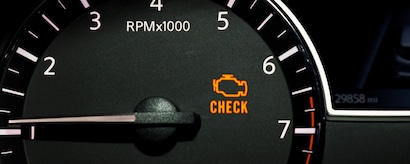
When you see a blinking engine light on your Honda Pilot, it’s a warning you cannot ignore. This small flashing symbol on your dashboard means your SUV is trying to tell you something urgent—something that could affect your safety, your wallet, and the life of your vehicle. Many drivers feel confused, worried, or even tempted to keep driving, hoping the problem will disappear. But ignoring a blinking engine light is one of the most expensive mistakes you can make.
In this guide, you’ll learn what a blinking engine light means for your Honda Pilot, the most common causes, what to do immediately, and how to avoid this issue in the future. By the end, you’ll have the confidence to react correctly and protect your vehicle, even if you know nothing about car repair.
What Does A Blinking Engine Light Mean?
The engine light (also called the “check engine light” or Malfunction Indicator Lamp) is part of your Pilot’s onboard diagnostics system. When it glows steady, it’s usually a warning about a non-urgent problem. But when it’s blinking, that’s different. It’s Honda’s way of yelling, “Stop now—serious trouble!”
A blinking engine light is almost always a sign of a misfire. A misfire means one or more cylinders in your engine are not working right. This can make your engine run roughly, lose power, or even damage itself in minutes. If left unchecked, a misfire can quickly ruin your catalytic converter—a repair that can cost $1,000–$2,500.
Why The Light Blinks
The blinking is not random. It’s designed to get your attention fast. Blinking means the problem is happening right now and could get worse with every mile you drive.
Key Point: If the engine light is flashing, it’s a potential emergency. Driving with a blinking light can turn a small repair into a huge one.
Common Causes Of A Blinking Engine Light In Honda Pilot
Several problems can make your Honda Pilot’s engine light blink. While misfires are the most common reason, many different issues can cause misfires or trigger the light:
- Bad Spark Plugs: Worn or dirty spark plugs can’t ignite fuel well, causing misfires.
- Faulty Ignition Coils: These parts send power to spark plugs. If they fail, a cylinder may stop working.
- Fuel Injector Problems: If a fuel injector is clogged or broken, the engine won’t get the right amount of fuel.
- Vacuum Leaks: Leaks in hoses or the intake manifold can upset the fuel-air mix, leading to poor combustion.
- Low Fuel Pressure: Problems with the fuel pump or filter can reduce pressure, starving the engine.
- Bad Catalytic Converter: If the converter is blocked or failing, it can cause back pressure and misfires.
- Engine Sensor Failures: Sensors like the oxygen sensor or mass air flow sensor help control the engine. If they fail, the engine may run badly.
Honda Pilot-specific Issues
- V6 Engine Misfire (Cylinder Deactivation): Some Honda Pilots with Variable Cylinder Management (VCM) have issues with certain cylinders shutting off incorrectly, leading to misfires and blinking lights.
- Oil Consumption: High oil consumption, especially in older Pilots, can foul spark plugs and cause misfires.
How Often Do These Problems Happen?
Based on reports from Honda Pilot owners:
| Cause | % of Blinking Light Cases | Repair Cost Range |
|---|---|---|
| Spark Plug/Coil Failure | ~40% | $100–$500 |
| Fuel Injector Issue | ~20% | $150–$600 |
| Catalytic Converter Damage | ~15% | $1,000–$2,500 |
| Sensor Failure | ~10% | $200–$400 |
| Vacuum/Fuel Pressure | ~10% | $75–$300 |
| Other/Unknown | ~5% | Varies |
Immediate Steps To Take When The Engine Light Blinks
If you see a blinking engine light on your Honda Pilot, don’t panic—but don’t ignore it either. Here’s what you should do right away:
- Pull Over Safely: As soon as it’s safe, pull off the road. Do not try to “make it home” or drive far.
- Turn Off the Engine: This stops further damage, especially to the catalytic converter.
- Check for Obvious Problems: Open the hood. Is there smoke, burning smell, or fluid leaks? If yes, call for a tow.
- Restart Cautiously: After a few minutes, you can try restarting the engine. If the light blinks again or the engine runs rough, do not drive further.
- Call Roadside Assistance or a Tow Truck: If the light stays blinking or the engine sounds bad, have your Pilot towed to a repair shop.
- Do Not Ignore: Never drive long distances with a flashing engine light. You might turn a $200 repair into a $2,000 one.
When Is It Safe To Drive?
If the engine light is steady (not blinking), and your Pilot drives normally, it’s usually safe to drive short distances to a repair shop. But if it’s blinking, always play it safe—get it checked right away.
Diagnosing The Problem: How Mechanics Find The Cause
When you take your Honda Pilot to a mechanic, they use a few key tools and steps to find out why the engine light is blinking:
1. Onboard Diagnostics (obd-ii) Scanner
Every modern Honda Pilot has a diagnostic port. Mechanics connect a scanner to this port to read trouble codes. These codes (like P0301 or P0300) tell which part or cylinder is misfiring or failing.
- P0301: Misfire detected in cylinder 1
- P0302: Misfire in cylinder 2
- P0300: Random/multiple misfires
2. Visual Inspection
They look for obvious issues—bad wires, loose connections, burned plugs, or leaking hoses.
3. Engine Tests
If the code points to a misfire, mechanics may:
- Swap spark plugs or coils between cylinders to see if the misfire moves
- Test fuel injectors or fuel pressure
- Check for vacuum leaks
4. Advanced Diagnostics
If the basic steps don’t reveal the problem, they may check:
- Compression: Low compression means an internal engine problem
- Sensor Data: Readings from oxygen, MAF, or other sensors
Example: Diagnosing A 2016 Honda Pilot
Imagine a 2016 Honda Pilot with a blinking engine light and code P0303 (misfire in cylinder 3):
- Mechanic checks spark plug in cylinder 3—finds it fouled and worn.
- Swaps coil from cylinder 3 to cylinder 4. Misfire moves to cylinder 4.
- Finds the coil is faulty. Replaces coil and spark plug.
- Resets codes. Engine runs smooth and light turns off.
Credit: www.autonationhondafremont.com
Repair Options And Typical Costs
The cost to fix a blinking engine light depends on the cause. Here’s a guide to common repairs for Honda Pilot owners:
| Repair Needed | Typical Cost Range | Time Needed |
|---|---|---|
| Spark Plug Replacement (all 6) | $120–$300 | 1–2 hours |
| Ignition Coil Replacement (per coil) | $70–$150 | 30–60 minutes |
| Fuel Injector Replacement (per injector) | $150–$400 | 1–2 hours |
| Vacuum Leak Repair | $100–$250 | 1–2 hours |
| Catalytic Converter Replacement | $1,000–$2,500 | 2–4 hours |
| Sensor Replacement (O2/MAF) | $150–$350 | 30–90 minutes |
Tips For Saving Money
- Get a second opinion for expensive repairs.
- Use OEM parts (original Honda) for reliability, especially for ignition coils and sensors.
- For older Pilots, some owners use high-quality aftermarket parts to save money, but this carries some risk.
Non-obvious Insight
Some Honda Pilot owners find that oil leaks can cause misfires by letting oil soak the spark plugs. Fixing the leak and changing plugs can solve the issue without major engine work.
How To Prevent A Blinking Engine Light
Most causes of a blinking engine light are preventable with regular maintenance. Here’s how you can lower your risk:
- Change Spark Plugs on Time: Honda recommends changing plugs every 60,000–105,000 miles depending on the year. Don’t wait until you have problems.
- Check Ignition Coils: If your Pilot has over 100,000 miles, consider replacing coils preventively.
- Use Top-Tier Gasoline: Low-quality fuel can cause deposits and misfires.
- Fix Oil Leaks Quickly: Watch for oil on the ground or burning oil smell.
- Replace Air and Fuel Filters: Clogged filters can cause low pressure and misfires.
- Watch for Warning Signs: Rough idling, loss of power, or a shaky engine may show up before the light blinks.
Maintenance Schedule Comparison
Here’s a quick look at Honda’s basic maintenance schedule for the Pilot versus what many owners and mechanics suggest for best reliability:
| Item | Honda Recommendation | Expert/Owner Advice |
|---|---|---|
| Spark Plugs | 105,000 miles | 60,000–80,000 miles |
| Ignition Coils | Only if faulty | Replace all at 120,000 miles |
| Fuel Filter | No set interval | Every 60,000 miles |
| Engine Air Filter | 30,000 miles | 15,000–20,000 miles |
Non-obvious tip: If you use your Pilot for short trips or in dusty areas, change filters and plugs more often. These conditions speed up wear.

Credit: www.youtube.com
Can You Fix A Blinking Engine Light Yourself?
Some handy owners can fix simple causes of a blinking engine light, but most repairs need skill and tools. Here’s what you can realistically do at home:
Safe Diy Steps
- Check Spark Plug Wires: Make sure connections are tight.
- Look for Loose Hoses: Push any loose hoses back onto their fittings.
- Read Trouble Codes: Many auto parts stores offer free code scans.
- Replace Spark Plugs: If you’re comfortable with basic tools, this is a good DIY project.
When To Avoid Diy
- If the repair involves fuel injectors, catalytic converter, or engine sensors, get professional help.
- If your Pilot has a “rotten egg” smell (bad converter) or big power loss, do not drive or try to fix it yourself.
Will A Blinking Engine Light Go Away On Its Own?
A blinking engine light almost never goes away by itself. Even if the misfire stops, the problem that caused it is probably still there. Many Honda Pilots will keep the light on until the issue is fully fixed and the code is cleared with a scan tool.
Key advice: Never just reset the light without fixing the cause. This can hide a serious problem and make future diagnosis harder.
Real-world Stories From Honda Pilot Owners
Hearing from other drivers helps you see what to expect. Here are a few real experiences:
- 2014 Pilot, 98,000 miles: Engine light started blinking on the highway. Owner pulled over, called for a tow. Dealer found failed ignition coil; replaced coil and all spark plugs. Problem solved for $350.
- 2011 Pilot, 120,000 miles: Blinking light, rough running. Local shop found oil-fouled spark plugs due to a leaking valve cover gasket. Replaced gasket and plugs for $400. No more misfires.
- 2018 Pilot, 60,000 miles: Light blinked after filling up with cheap gas. Mechanic found dirty fuel injectors; cleaned injectors and problem disappeared.
What These Stories Show
- Acting fast saves money and prevents major damage.
- Many problems are simple and affordable if fixed early.
- Using quality fuel and regular maintenance matters.
Special Cases: Honda Pilot Recalls And Known Issues
Some Honda Pilots have been part of recalls or service bulletins related to engine misfires and blinking lights:
- 2012–2013 Models: Some had a software problem causing cylinder deactivation at the wrong times, leading to misfires. Honda offered software updates.
- 2009–2015 Models: Reports of excessive oil consumption affecting spark plugs and causing misfires. Honda sometimes covered repairs under warranty for this issue.
If you own an affected model, check with your local Honda dealer about recalls or free repairs. You can search for recalls using your VIN at the official NHTSA website.

Credit: www.reddit.com
Frequently Asked Questions
What Should I Do Immediately If My Honda Pilot’s Engine Light Is Blinking?
Pull over safely and turn off the engine as soon as possible. A blinking engine light means a serious misfire that can damage expensive parts like the catalytic converter. Do not keep driving; call for a tow or roadside assistance.
Can A Blinking Engine Light Be Caused By Bad Gas?
Yes, poor-quality or contaminated gasoline can cause misfires, leading to a blinking engine light. If you notice the problem right after filling up, let your mechanic know. Using top-tier fuel can help prevent this issue.
How Much Does It Cost To Fix A Blinking Engine Light On A Honda Pilot?
Costs vary depending on the cause. Simple fixes like changing spark plugs or coils can be $100–$500. If the problem damages the catalytic converter, repairs can reach $2,500. Early action saves money.
Will My Honda Pilot Pass Inspection With A Blinking Engine Light?
No. Any active engine light, especially a blinking one, means your vehicle will fail emissions and safety inspections. You must fix the cause first.
Is It Safe To Drive With A Steady (not Blinking) Engine Light?
A steady engine light is less urgent, but you should have it checked soon. Driving short distances is usually safe if the car runs normally. But never ignore a blinking light—this needs immediate attention.
—
Final Thoughts
A blinking engine light on your Honda Pilot is a sign you can’t ignore. It almost always means your engine is misfiring, which can quickly lead to major damage if you keep driving. The good news is that most causes—like bad spark plugs, coils, or minor leaks—are affordable and simple to fix if caught early.
Regular maintenance, using good fuel, and responding fast when the light blinks will keep your Pilot running strong for years. If in doubt, always get your vehicle checked by a professional. That fast action can save you thousands and help you drive with peace of mind.