
Aircraft Blinking Lights: Purpose, Types, And Importance In Aviation
Looking up at the night sky, you may notice small, bright dots moving steadily. Some of them flash red or white in a regular pattern. These are aircraft blinking lights, and they are far more than just decoration. They play a vital role in aviation safety, helping pilots see and avoid each other, alerting ground crews, and signaling a plane’s position in the sky. Many people don’t realize how much planning and regulation goes into these simple-looking lights. This article explores why aircraft use blinking lights, what types exist, and how they keep air travel safe and efficient.
Why Aircraft Blinking Lights Matter
At first glance, you might think aircraft lights are just to make planes look cool or visible at night. In reality, blinking lights are a critical part of collision avoidance and communication. Aircraft often fly at high speeds and close to each other, especially near airports. Visibility can be poor due to clouds, darkness, or weather. In these cases, blinking lights act as the first line of defense to prevent accidents.
International rules, set by organizations like the International Civil Aviation Organization (ICAO) and the Federal Aviation Administration (FAA), require specific lights on all aircraft. These rules cover commercial jets, private planes, and even helicopters. Without these lights, flying would be much more dangerous, especially in busy or low-visibility airspace.
Types Of Aircraft Blinking Lights
Aircraft use several kinds of blinking lights, each with a specific purpose. Here are the main types you’ll find on most planes:
1. Anti-collision Beacon Lights
Anti-collision beacons are usually red or, on some newer aircraft, white. They flash rapidly, usually at the top and bottom of the aircraft. These lights warn others that the aircraft is active—either the engines are running or the plane is moving. The fast blinking makes the plane easy to spot, even from a distance or in poor weather.
2. Strobe Lights
Strobe lights are very bright, high-intensity white flashes, often located on the wingtips and tail. They are used mainly when the plane is taking off, landing, or flying in the air. The intense blinking helps other pilots see the plane from miles away. On the ground, strobes are usually turned off to avoid blinding ground crews.
3. Navigation Lights
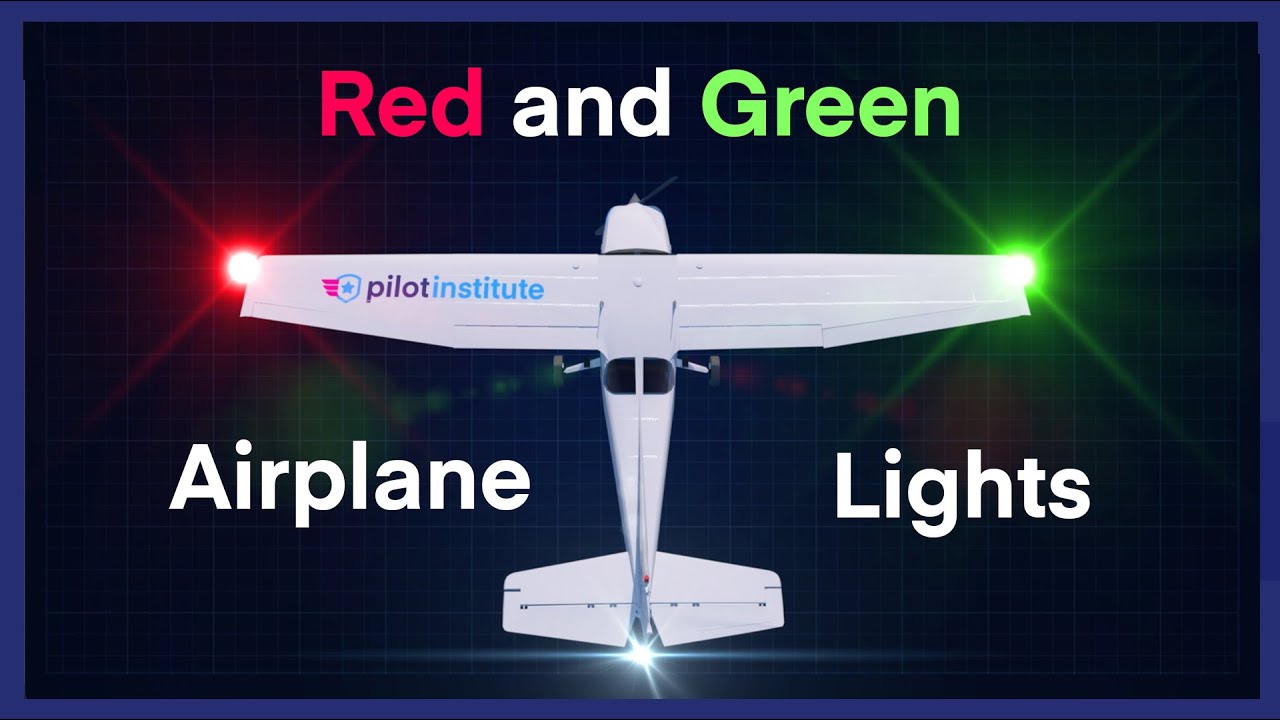
While not always blinking, navigation lights are crucial for orientation. They are steady (not flashing) and colored: red on the left wingtip, green on the right, and white on the tail. These lights help other pilots know the direction the aircraft is facing, which is key for avoiding collisions.
4. Landing And Taxi Lights
These are bright, forward-facing white lights used mainly on the ground or during takeoff and landing. While they don’t usually blink, some aircraft have landing lights that can pulse or flash to increase visibility in certain situations.
Comparison Of Aircraft Light Types
Here’s a summary comparing the main blinking lights:
| Light Type | Color | Location | When Used | Blinking Pattern |
|---|---|---|---|---|
| Anti-Collision Beacon | Red / White | Top & Bottom | Engines On / In Flight | Flashing |
| Strobe Light | White | Wingtips, Tail | Takeoff, Landing, In Air | Rapid Flashing |
| Navigation Light | Red, Green, White | Wingtips, Tail | Always On | Steady (Not Blinking) |
How Blinking Lights Improve Safety
The main job of blinking lights is to keep everyone safe. Here’s how they help:
- Preventing Mid-Air Collisions: When flying, pilots must spot other planes quickly. Blinking lights stand out against the sky, making it easier to avoid each other, especially at busy airports or in clouds.
- Ground Crew Safety: On the ground, blinking beacons warn mechanics, baggage handlers, and other staff that the plane is about to move or has engines running. This reduces the risk of accidents on the tarmac.
- Assisting Air Traffic Control: Controllers in towers can quickly spot which planes are active or moving, even at night or in bad weather, by looking for blinking lights.
- Aiding Search and Rescue: If a plane has to make an emergency landing or crashes, blinking lights help rescuers find it faster, especially at night or in remote areas.
Real-world Example
In 1996, a mid-air collision over India involved two jets. Investigations showed that better visibility—like more effective blinking lights—might have helped avoid the accident. Today, rules about aircraft lighting are stricter, and technology has improved, making flying safer for everyone.
Technical Details: How Aircraft Blinking Lights Work
While they look simple, aircraft blinking lights use advanced technology to stay reliable in all conditions. Here’s how they work:
Light Sources
Older planes used incandescent bulbs—the same kind found in flashlights. Modern aircraft now use LEDs (Light Emitting Diodes). LEDs are brighter, last longer, and use less power. They also work better in cold, high-altitude conditions.
Power And Control
Aircraft lights must work even if one system fails. Most lights are connected to backup power, so they stay on even if the main electrical system has a problem. Pilots can control the lights from the cockpit, turning them on or off as needed.
Flashing Mechanism
The blinking pattern is controlled by a flasher unit or, in modern planes, a digital system. The speed and timing of flashes are set by regulations. For example, anti-collision beacons usually flash 40–100 times per minute. Strobe lights may flash in pairs or sequences to improve visibility.
Durability
Aircraft lights face tough conditions: rain, snow, vibration, and extreme temperatures. The covers are made of strong, clear materials like polycarbonate. The electronics are sealed to keep out water and dust.
Comparison: Incandescent Bulbs Vs Leds
Here’s how older and newer light types compare:
| Feature | Incandescent Bulbs | LEDs |
|---|---|---|
| Lifespan | 1,000–2,000 hours | 20,000–50,000 hours |
| Brightness | Lower | Higher |
| Power Use | Higher | Lower |
| Cost | Cheaper upfront | Cheaper long-term |
| Reliability | Can fail suddenly | Fails slowly, more predictable |

Credit: pilotinstitute.com
Key Regulations And Standards
Aircraft lighting is strictly regulated for safety. The main rules come from the Federal Aviation Administration (FAA) in the US and the International Civil Aviation Organization (ICAO) worldwide. These rules cover:
- Light colors and positions: Red, green, and white only in specific locations.
- Flashing rates: How fast the lights must blink.
- Brightness: Lights must be visible from several miles away.
- Failure redundancy: Systems must keep working if one part fails.
For example, FAA regulation FAR 91. 209 requires all aircraft to have anti-collision lights on from engine start to shutdown, day or night. Pilots can only turn off the lights if they might cause problems, such as blinding other pilots in clouds.
ICAO’s Annex 6 specifies that navigation and anti-collision lights must be visible in all directions to prevent confusion in crowded airspace.
Non-obvious insight: Regulations also require that anti-collision lights not interfere with the pilot’s night vision or instruments. This means the light covers and placement are carefully chosen to avoid glare inside the cockpit.
Aircraft Blinking Lights On Different Types Of Aircraft
You may notice that not every aircraft uses the same lights or patterns. Here’s how different aircraft types handle blinking lights:
Commercial Jets
Large airliners, like the Boeing 777 or Airbus A320, use all the main light types: anti-collision beacons, strobes, navigation, and landing lights. Their systems are highly automated, and cockpit displays show if a light fails.
Private And Business Aircraft
Smaller planes like Cessna 172 or business jets also follow the rules, but their lights may be less bright due to size and power limits. Many newer private planes now use LED systems similar to big jets.
Helicopters
Helicopters use anti-collision beacons and navigation lights, but strobes are sometimes optional. Because helicopters often fly lower and near obstacles, their lights are designed to be seen from all directions, including from above.
Military Aircraft
Military planes use special lights that can be dimmed or switched to infrared mode. This allows them to be seen by friendly forces with night-vision gear but remain hidden from enemies. However, during normal operations, they also use standard blinking lights.
Drones And Unmanned Aircraft
As drones become more common, regulations now require many to have blinking lights, especially if flying at night. The lights are usually less powerful but follow similar color and position rules.
Comparison: Lights By Aircraft Type
| Aircraft Type | Anti-Collision Beacon | Strobe Lights | Navigation Lights | Special Notes |
|---|---|---|---|---|
| Commercial Jet | Yes | Yes | Yes | Most advanced systems |
| Private Plane | Yes | Often | Yes | Smaller, less powerful |
| Helicopter | Yes | Optional | Yes | Omnidirectional |
| Military Aircraft | Yes | Yes/Infrared | Yes | Stealth features |
| Drone | Yes (for larger types) | Optional | Yes | Regulations increasing |

Credit: www.youtube.com
Common Myths And Misunderstandings
Many people notice blinking lights on planes but don’t know what they really mean. Here are some common myths:
- Myth: Blinking lights are only for decoration or style.
- Fact: They are legally required and essential for safety.
- Myth: All blinking lights are the same.
- Fact: Different lights have different colors, flashing speeds, and purposes.
- Myth: Pilots can turn off blinking lights whenever they want.
- Fact: Lights must be on during most operations; exceptions are rare and allowed only for safety.
- Myth: Only big jets use blinking lights.
- Fact: Rules apply to almost all aircraft, including small planes and helicopters.
Non-obvious insight: Strobe lights can sometimes create optical illusions, especially in clouds or fog. Pilots are trained to switch them off temporarily in these conditions to avoid distraction.
Aircraft Blinking Lights And Environmental Concerns
With more flights every year, some have raised concerns about energy use and light pollution. Here’s what’s being done:
- LED technology reduces power use by up to 90% compared to old bulbs. This saves fuel and cuts emissions.
- Some airports and airlines are testing smart lighting systems. These adjust brightness or pattern depending on conditions, reducing unnecessary glare.
- New materials for light covers are more recyclable and last longer, lowering environmental impact.
While aircraft lights are a small part of aviation’s environmental footprint, improvements in this area show the industry’s focus on sustainability.
Credit: www.youtube.com
The Future Of Aircraft Blinking Lights
Technology in aviation is always moving forward. Here’s what’s coming next:
- Adaptive Lighting: Future systems will adjust the brightness and blink speed automatically based on weather, traffic, or even pilot workload.
- Integration with ADS-B: Aircraft lights may soon work together with electronic tracking systems, flashing in special ways to highlight aircraft in busy airspace or emergencies.
- Maintenance Alerts: Some lights now send data to the ground or cockpit if they start to fail, making repairs faster and more reliable.
- Infrared and UV Lighting: In military and some commercial uses, invisible lights help with night operations without dazzling human eyes.
Pilots and engineers already see blinking lights as a simple but powerful tool. As airspace becomes busier, every small improvement in visibility and communication helps keep flying safe.
Frequently Asked Questions
Why Do Aircraft Lights Blink Instead Of Staying On All The Time?
Blinking lights are much easier to spot, especially against backgrounds like city lights, stars, or clouds. The human eye is naturally attracted to movement and changes in brightness. By blinking, aircraft lights quickly draw attention, making planes more visible to other pilots and ground crews.
Are There Rules For The Color And Position Of Aircraft Blinking Lights?
Yes, strict rules exist worldwide. For example, anti-collision beacons must be red or white and placed on the top and bottom of the aircraft. Strobe lights are always white and found on the wingtips and tail. Navigation lights are red (left wing), green (right wing), and white (tail).
These standards help prevent confusion and improve safety.
Can Pilots Ever Turn Off Blinking Lights During Flight?
Pilots are required to keep anti-collision and navigation lights on from engine start to shutdown. The only exception is if the lights could cause a safety problem, such as blinding other pilots in heavy cloud or fog. Even then, pilots must inform air traffic control and switch the lights back on as soon as possible.
Do Helicopters And Drones Have The Same Blinking Light Requirements As Airplanes?
Helicopters follow similar rules for anti-collision and navigation lights. Strobe lights are often optional but recommended. For drones, regulations are newer and vary by country, but most require blinking lights for flights at night or in crowded airspace.
Where Can I Find More Details About Aircraft Lighting Regulations?
For official rules and technical details, visit the Aircraft Lighting Wikipedia page. It offers links to FAA, ICAO, and other international standards.
Aircraft blinking lights may seem simple, but they are a cornerstone of aviation safety. By understanding their purpose, technology, and rules, both pilots and the public can appreciate the role these small flashes of light play in keeping our skies safe.