
Seeing the check engine light blinking on your Toyota Camry can be stressful. Many drivers feel confused, worried, or even panicked when this small but powerful warning flashes on the dashboard. But what does it actually mean? Is your car about to break down, or is it a minor problem? Taking the right steps quickly can protect your engine, save you money, and even keep you safe on the road. This guide explains everything you need to know—whether you drive a new Camry or an older model.
Why The Check Engine Light Blinks On A Toyota Camry
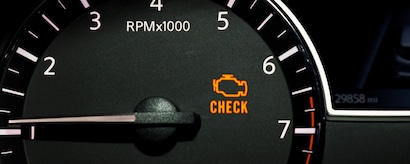
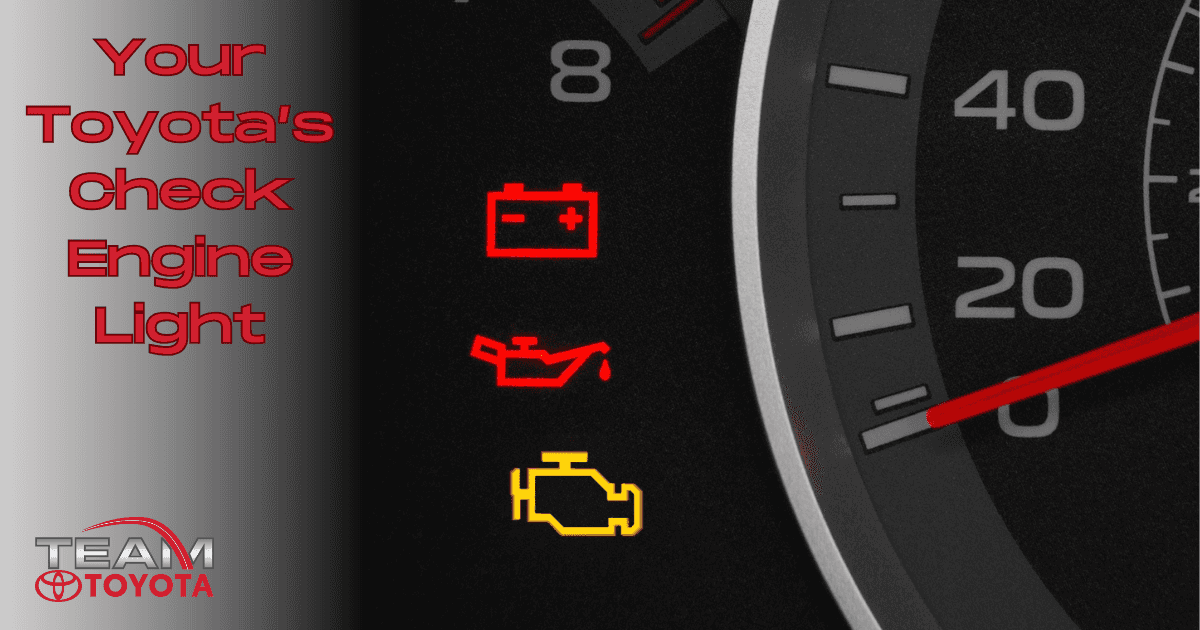
Most Camry owners have seen the check engine light (CEL) at some point. Sometimes, it stays solid, and other times, it blinks. The difference is important. A solid light means the car’s computer has detected a problem, but it’s not urgent. A blinking light, however, signals a serious issue that needs immediate attention.
The Camry’s onboard computer, called the Engine Control Module (ECM), monitors many systems using sensors. If it finds a problem that could damage the engine or the catalytic converter, it blinks the check engine light to warn you. Ignoring this can lead to expensive repairs, breakdowns, and even safety risks.
Common Reasons For A Blinking Check Engine Light
Not all engine problems are the same. Here are the most frequent causes of a flashing check engine light on a Toyota Camry:
- Engine Misfire: This is the top reason for a blinking CEL. It means one or more cylinders are not burning fuel correctly. Misfires can damage the catalytic converter in minutes.
- Ignition System Faults: Problems with spark plugs, ignition coils, or wires cause misfires and poor engine performance.
- Fuel Delivery Issues: Clogged fuel injectors or a failing fuel pump can lead to uneven fuel supply.
- Vacuum Leaks: A leak in the intake system can confuse the engine’s air-fuel ratio.
- Sensor Failures: Bad oxygen sensors or mass airflow sensors give wrong data to the ECM.
- Engine Mechanical Problems: Low compression or timing issues can also trigger the light.
It’s important to remember: a blinking CEL is almost always connected to misfiring. Toyota’s system is designed to flash only when the risk is high.
Example: Real-world Case
A 2016 Toyota Camry owner noticed the check engine light blinking after filling up with cheap gas. The car began to shake and lost power. Diagnosis showed a misfire in cylinder 3 caused by a failing ignition coil. Replacing the coil and spark plug fixed the problem.
Immediate Actions To Take When The Light Blinks
If the check engine light on your Camry starts blinking, act quickly:
- Reduce Speed: Slow down and drive gently. Hard acceleration can make things worse.
- Avoid Heavy Loads: Don’t tow or carry extra weight.
- Pull Over Safely: If the engine runs rough, smells hot, or shakes, stop as soon as you can do so safely.
- Check for Other Warnings: Look for low oil pressure, overheating, or unusual noises.
- Turn Off the Engine: If the engine is struggling, switch it off to prevent further damage.
- Call for Help: Contact roadside assistance or a trusted mechanic.
Ignoring a blinking light can destroy your catalytic converter, leading to repairs that cost over $1,000.
Diagnosing The Problem: How Mechanics Find The Cause
You can’t fix a blinking CEL by guessing. Here’s how mechanics find the issue:
- OBD-II Code Reader: Every Camry since 1996 has an OBD-II port. Plugging in a scanner shows “trouble codes” that point to the problem.
- Live Data: Mechanics watch real-time engine data to spot misfires or sensor faults.
- Visual Inspection: Checking spark plugs, ignition coils, and wires for damage.
- Fuel and Air Checks: Testing injectors, fuel pressure, and vacuum lines.
- Compression Test: Measures the engine’s internal health.
Some auto parts stores will read codes for free. The codes often start with “P0”, such as P0301 (misfire in cylinder 1).
Data Table: Common Trouble Codes And Meanings
| Code | Meaning | Possible Cause |
|---|---|---|
| P0301 | Misfire Cylinder 1 | Spark plug, ignition coil, fuel injector |
| P0300 | Random Misfire | Vacuum leak, bad fuel, ignition problem |
| P0171 | System Too Lean | Vacuum leak, dirty MAF sensor |
| P0420 | Catalyst Efficiency Low | Damaged catalytic converter, O2 sensor |
| P0351 | Ignition Coil A Circuit | Faulty coil, wiring issue |
These codes are a starting point, but they rarely tell the full story. Mechanics look at symptoms, history, and test results together.
How To Fix A Blinking Check Engine Light
Repairs depend on the exact cause. Here’s what usually needs to be done:
1. Replace Faulty Ignition Parts
- Spark plugs should be changed every 60,000–100,000 miles depending on type and model year.
- Ignition coils can fail at any mileage. Symptoms include rough running, shaking, or poor acceleration.
- Cost: $100–$400 for parts and labor (varies by location and engine type).
2. Address Fuel Delivery Problems
- Clean or replace fuel injectors if clogged.
- Test and replace the fuel pump if pressure is low.
- Use high-quality fuel to avoid repeat problems.
3. Fix Vacuum Leaks
- Broken or loose hoses are common in older Camrys.
- Listen for a hissing sound or spray soapy water to see if idle changes.
4. Replace Bad Sensors
- Oxygen sensors and MAF sensors wear out with age.
- Genuine Toyota parts last longer and give better results.
5. Repair Engine Mechanical Issues
- Low compression often means worn piston rings or valves.
- These repairs are complex and expensive.
Data Table: Typical Repair Costs
| Repair Needed | Parts Cost | Labor Cost | Total Estimate |
|---|---|---|---|
| Spark Plug Replacement | $20–$60 | $50–$120 | $70–$180 |
| Ignition Coil Replacement | $50–$150 | $80–$150 | $130–$300 |
| O2 Sensor Replacement | $40–$120 | $70–$130 | $110–$250 |
| Catalytic Converter | $400–$1,200 | $200–$400 | $600–$1,600 |
These are average numbers. Always get a written estimate before repairs.
Special Tips For Toyota Camry Owners
Camry engines are known for reliability, but certain model years have their own patterns. Here are a few tips:
- 2007–2011 Camry: Some of these years had oil burning issues that can foul spark plugs early.
- 2012–2017 Camry: Direct injection systems need high-quality fuel and regular maintenance.
- Hybrid Camry: A blinking CEL on a hybrid may trigger “limp mode,” reducing power until the problem is fixed.
If you just bought gas before the light started blinking, consider water or bad fuel as the possible cause. Try refilling with premium gas from a trusted station.
Credit: www.autonationtoyotairvine.com
How To Prevent Check Engine Light Problems
You can’t avoid every problem, but regular care makes a big difference:
- Follow the maintenance schedule. Change spark plugs, air filters, and fluids on time.
- Use quality fuel. Cheap gas can cause misfires and clog injectors.
- Fix small issues early. Don’t wait if the engine feels rough or the CEL comes on, even if it’s not blinking.
- Inspect hoses and wires. Look for cracks, leaks, or wear.
- Avoid engine overload. Don’t tow or haul heavy loads beyond the car’s rating.
Non-obvious Insight: Battery Problems Can Trigger Cel
A weak battery or bad alternator can confuse the car’s computer, causing strange warning lights. Always check your battery health if you have multiple warning lights.
Non-obvious Insight: Aftermarket Parts May Cause Issues
Cheap or non-Toyota ignition parts can lead to repeat CEL problems. Stick with OEM or high-quality brands for ignition and sensors.
The Dangers Of Ignoring A Blinking Check Engine Light
Some drivers hope the light will go away. Unfortunately, ignoring a blinking CEL can lead to:
- Catalytic converter failure: This part reduces pollution, but a misfiring engine can destroy it quickly.
- Expensive repairs: What starts as a $100 fix can become a $2,000 problem.
- Poor fuel economy: Misfires waste gas and make your Camry less efficient.
- Safety risks: Engine misfire can cause loss of power, shaking, or even stalling in traffic.
Toyota’s warning system is built to keep repairs simple—if you respond quickly.
Can You Drive With The Check Engine Light Blinking?
The short answer: No, you should not drive far with a blinking CEL. Here’s why:
- If the engine is running rough, shaking, or losing power, continuing to drive can cause severe damage.
- Even if the car seems okay, every mile increases the risk to the catalytic converter.
- If you must drive, go straight to a repair shop at low speed, avoiding hills and hard acceleration.
For your safety and to protect your car, always treat a blinking check engine light as an emergency.
Understanding The Check Engine Light: Solid Vs. Blinking
Not every warning means the same thing. Here’s a quick comparison:
| Check Engine Light Status | What It Means | What to Do |
|---|---|---|
| Solid | Minor or non-urgent problem (evaporative emissions, sensor fault) | Schedule a repair soon, but driving is usually safe for a short time |
| Blinking | Serious engine misfire; risk of catalytic converter damage | Stop driving as soon as possible; have the car inspected immediately |
When To Call A Mechanic Vs. Diy
Some Camry owners like to fix simple problems themselves. Here’s how to decide:
- DIY is possible if: You have basic tools, the car runs smoothly, and you know how to replace spark plugs or coils.
- Call a mechanic if: The engine runs rough, stalls, or you don’t feel confident. Modern engines are complex, and mistakes can make things worse.
If you own a code reader, you can get a head start by checking the codes before visiting a shop.
What To Expect At The Repair Shop
When you bring your Camry to a professional, here’s the usual process:
- Diagnosis: The shop will read the codes, test components, and often do a road test.
- Estimate: You’ll get a written quote for parts and labor.
- Repair: Most misfire or sensor-related problems are fixed the same day.
- Retest: The mechanic will clear the codes and make sure the problem is solved.
Good shops will explain the repair and may show you the old parts.
Credit: www.teamtoyotaohio.com
Warranty And Recalls: Is Your Repair Covered?
Toyota offers a good warranty, and many Camrys have coverage for certain emission parts up to 8 years/80,000 miles. If your car is newer, check if your repair is covered under warranty or a recall.
You can check for open recalls by entering your VIN on the official Toyota website or at the NHTSA recall lookup.
Frequently Asked Questions
Why Does The Check Engine Light Blink Instead Of Stay Solid?
A blinking check engine light means there is a serious engine misfire that could quickly damage the catalytic converter or other key parts. A solid light warns of less urgent problems.
How Much Does It Cost To Fix A Blinking Check Engine Light On A Toyota Camry?
Costs depend on the cause. Simple problems like a bad spark plug may cost less than $150. More complex repairs, such as replacing the catalytic converter, can be over $1,000.
Can I Drive My Camry If The Check Engine Light Is Blinking But The Car Runs Fine?
It’s not safe. Even if the car seems to run okay, a blinking light means damage is happening quickly. Drive only a short distance to a repair shop, or call for a tow.
Will Disconnecting The Battery Reset The Check Engine Light?
Yes, disconnecting the battery can reset the light for a short time. However, this does NOT fix the real problem. The light will return if the issue isn’t repaired, and you may lose important computer data.
How Do I Prevent The Check Engine Light From Blinking In The Future?
Follow your car’s maintenance schedule, use good quality fuel, fix small problems early, and use quality parts. Regular inspection helps catch issues before they become serious.
Seeing the check engine light blinking on your Toyota Camry is never a good sign, but fast action can save you time and money. By understanding what the warning means, how to diagnose the problem, and when to call for help, you’ll keep your Camry running smoothly for many miles. Stay alert, don’t ignore the signs, and trust your car’s warning system—it’s there to protect you and your investment.
Credit: www.youtube.com