
The blinking tire pressure light on a Nissan can be worrying, especially if you’re not sure what it means or what to do next. You may notice this warning while driving or after starting your car. It’s not just a sign of low tire pressure—it can signal other issues with the system that need attention.
Understanding how the tire pressure monitoring system (TPMS) works, what causes the light to blink, and what steps you should take can help you drive safely and avoid expensive repairs. In this guide, you’ll learn everything you need to know about the blinking tire pressure light in Nissan vehicles, including practical troubleshooting steps, common mistakes, and expert advice.
What Is The Tire Pressure Monitoring System (tpms) In Nissan?
Nissan uses a TPMS to monitor the air pressure in your tires. This system helps keep you safe by alerting you when your tires are underinflated or sometimes overinflated. Modern Nissan models have a direct TPMS. This means each tire has a sensor that checks the pressure and sends data to the car’s computer.
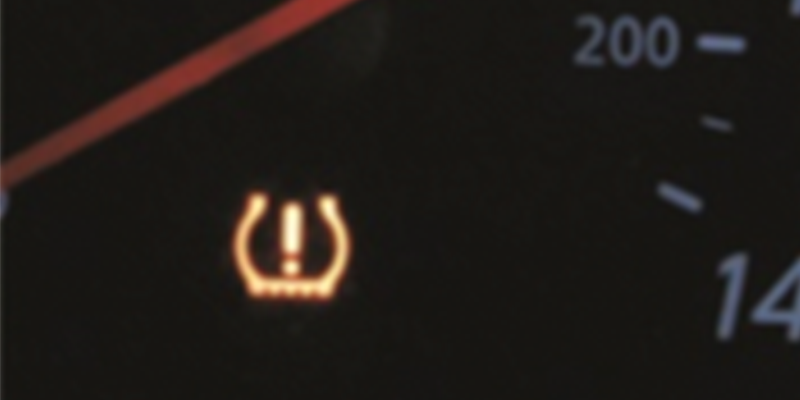
The TPMS warning light looks like a horseshoe with an exclamation point in the middle. When the system detects a problem, it will turn on this light. If the light is steady, your tire pressure is likely low. If the light is blinking, it usually means something else is wrong with the system.
Why Does Nissan Use Tpms?
- Safety: Underinflated tires can cause accidents.
- Fuel efficiency: Proper tire pressure improves gas mileage.
- Tire life: Correct pressure makes tires last longer.
- Legal requirements: US law requires TPMS in cars since 2008.
How Does Tpms Work?
Each sensor measures air pressure inside the tire and sends this information wirelessly to the car’s central computer. If the pressure drops below a set level, the light turns on. In some models, the car may show which tire is low.
What Does A Blinking Tire Pressure Light Mean?
Many drivers think the TPMS light always means low tire pressure, but a blinking light is different. Here’s what it usually means in Nissan vehicles:
- Sensor malfunction: The TPMS sensor in one or more tires isn’t working.
- System error: The car’s TPMS computer can’t read data from sensors.
- Dead sensor battery: The sensor batteries last 5–10 years, and if one dies, the system can’t communicate.
- Wrong sensors installed: If you changed tires or wheels and used sensors not compatible with Nissan, the system may blink.
The blinking light starts when you turn on the car. It may blink for 30–60 seconds, then stay solid. This is a clear sign there’s a system issue, not just low tire pressure.
Common Causes Of Blinking Tpms Light In Nissan
Let’s look at the most frequent reasons this warning appears:
1. Dead Or Weak Tpms Sensor Battery
TPMS sensors use small batteries. These last about 5–10 years, but when they run out, the sensor stops sending data. Most Nissan TPMS sensors are sealed; you can’t replace just the battery. You need a new sensor.
2. Damaged Tpms Sensor
If you hit a pothole, curb, or have tire work done, a sensor may get damaged. Sometimes, tire shops accidentally break sensors during installation.
3. Aftermarket Wheels Or Tires
If you change your wheels or tires and use non-Nissan sensors, or forget to transfer the sensors, the system will not recognize them. This triggers the blinking light.
4. Faulty Tpms Receiver
The receiver inside your car can fail or have wiring issues. This is less common but possible, especially in older Nissans.
5. Interference Or System Error
Rarely, radio interference or software glitches can confuse the system. This may require a reset.
6. Low Tire Pressure (rare)
In most cases, low tire pressure causes a steady light, not blinking. But if a sensor is both low and malfunctioning, the light may blink.
How To Troubleshoot A Blinking Tire Pressure Light
If your Nissan’s TPMS light is blinking, here’s how to approach the problem:
Step 1: Check Tire Pressure
Use a tire pressure gauge to check all four tires. Compare your readings to the recommended pressure (usually 32–35 psi, but check your owner’s manual or driver’s door sticker). If a tire is low, fill it to the correct pressure.
Step 2: Inspect Tires And Sensors
Look for visible damage to the tires, wheels, and valve stems (where the sensor is located). If you see corrosion, cracks, or missing parts, a sensor may be broken.
Step 3: Reset The Tpms System
Some Nissan models let you reset the TPMS system by following these steps:
- Turn the ignition ON (do not start the engine).
- Find the TPMS reset button (often under the steering wheel).
- Press and hold the button until the light blinks three times.
- Start the engine and drive for a few minutes.
Not all Nissans have this reset button. If yours doesn’t, the system may reset automatically after fixing the issue and driving.
Step 4: Scan For Error Codes
Many auto parts stores will scan your TPMS for free. Nissan dealers and mechanics use special tools to read the sensor data and error codes. This can pinpoint which sensor or part is faulty.
Step 5: Replace Faulty Sensors
If a sensor battery is dead or the sensor is broken, it must be replaced. You can buy Nissan OEM sensors or compatible ones. Installation usually costs $50–$150 per sensor.
Step 6: Relearn Or Reprogram The System
After replacing sensors or wheels, your Nissan may need to “relearn” the new sensors. This requires a special tool that mechanics use, or sometimes a manual process.
Credit: www.tirereview.com
Nissan Models With Tpms Issues
Some Nissan models are more likely to experience TPMS problems. Here are a few examples:
- Nissan Altima: Common TPMS sensor battery failures.
- Nissan Sentra: Issues after changing tires.
- Nissan Rogue: TPMS receiver glitches in older models.
- Nissan Frontier: Sensor compatibility issues with aftermarket wheels.
Many Nissan owners report blinking TPMS lights after tire rotations, new tires, or cold weather.
Data: Tpms Sensor Lifespan And Failure Rates
Here is a summary of typical sensor lifespan and failure rates in Nissan vehicles:
| Model | Average Sensor Lifespan | Sensor Failure Rate (10 Years) |
|---|---|---|
| Nissan Altima | 7 years | 40% |
| Nissan Sentra | 8 years | 35% |
| Nissan Rogue | 7.5 years | 38% |
| Nissan Frontier | 7 years | 42% |
Many sensors fail earlier in areas with extreme weather or rough roads.
Cost Comparison: Tpms Repairs And Replacements
When the TPMS light blinks, you may need repairs. Here is a comparison of typical costs:
| Repair Type | Estimated Cost (USD) | Time Required |
|---|---|---|
| TPMS Sensor Replacement (1 wheel) | $50–$150 | 30–60 minutes |
| TPMS System Diagnostic | $0–$60 | 15–30 minutes |
| TPMS Receiver Replacement | $200–$400 | 2–3 hours |
| System Relearn/Reprogram | $20–$70 | 10–30 minutes |
Choosing a trusted mechanic helps avoid unnecessary replacements and costs.
Real-life Example: Nissan Altima Owner Experience
Maria, a Nissan Altima driver in Texas, saw her TPMS light blink after replacing her tires. She checked the tire pressure, found it was normal, and tried the reset process. The light kept blinking. At the dealer, she learned that one sensor’s battery was dead.
Replacing the sensor fixed the problem.
This shows how a blinking TPMS light often means a sensor issue, not just low air pressure.

Credit: www.ronbouchardsnissan.com
Common Mistakes When Dealing With Blinking Tpms Light
Many Nissan owners make these mistakes:
- Ignoring the blinking light: This can lead to unsafe driving if the tires are actually low or the system stops working completely.
- Replacing only one sensor: If all sensors are old, replacing one may cause others to fail soon.
- Using incompatible sensors: Aftermarket sensors must be Nissan-compatible. Otherwise, the system won’t recognize them.
- Not resetting the system: After sensor replacement, always follow the relearn process.
Avoiding these mistakes saves money and keeps your car safe.
Practical Tips For Preventing Tpms Problems
- Check tire pressure monthly: Use a reliable gauge, not just the TPMS light.
- Service sensors during tire changes: Ask your mechanic to check TPMS sensor health.
- Avoid harsh impacts: Hitting potholes or curbs can break sensors.
- Use original sensors: OEM sensors are more reliable than cheap aftermarket ones.
- Keep wheels clean: Dirt and corrosion can affect sensors.

Credit: www.youtube.com
Tpms Vs. Regular Tire Pressure Checks
Some drivers rely only on TPMS to monitor their tires. This is risky because sensors can fail silently. Here’s a quick comparison:
| Method | Accuracy | Reliability | Recommended Frequency |
|---|---|---|---|
| TPMS System | High (when working) | Moderate (sensors can fail) | Always active |
| Manual Gauge | Very high | Very high | Monthly |
For best safety, use both methods.
How Weather Affects Tpms In Nissan
Cold weather causes tire pressure to drop, sometimes triggering the TPMS light. However, a blinking light is more likely a sensor issue. Hot weather can also affect sensor batteries and electronics. In winter, always check tire pressure before driving.
When Should You Visit A Mechanic?
If your TPMS light is blinking for more than a day, or after you’ve checked tire pressure and tried a reset, it’s time to see a professional. They have tools to diagnose sensor and system issues. Driving with a faulty TPMS can be unsafe, especially on highways.
Nissan Tpms Warranty And Coverage
Nissan’s TPMS sensors are usually covered by the bumper-to-bumper warranty for 3 years or 36,000 miles. After that, replacement costs are out-of-pocket. Extended warranties may cover sensors, but check your policy.
How To Replace A Tpms Sensor In Nissan
Replacing a sensor is not a DIY job for most people. Here’s what happens at a mechanic:
- Remove the tire from the wheel.
- Unscrew the old sensor from the valve stem.
- Install the new sensor.
- Re-mount the tire and balance it.
- Use a TPMS tool to relearn the sensor.
Attempting this yourself can damage the tire or wheel.
Is It Safe To Drive With A Blinking Tpms Light?
Driving with a blinking TPMS light is not recommended. You may not know if your tires are low or if the system is working. Always check tire pressure manually, then have the system diagnosed.
Non-obvious Insights For Nissan Owners
- TPMS sensors can be triggered by wheel cleaning: Some car washes use chemicals that corrode sensors. Avoid harsh cleaners on wheels.
- Seasonal tire swaps can cause system confusion: If you switch between summer and winter tires, always relearn the sensors each time.
Many beginners miss these details and end up with blinking lights or sensor failures.
How To Find Tpms Sensor Compatibility For Nissan
If you need to replace sensors, check the sensor part number on your old sensor. Use this when buying new sensors. Many online stores show compatibility lists. Avoid generic sensors that say “fits all cars”—these rarely work well with Nissan’s system.
Nissan Tpms System Updates
Some Nissan models have software updates for the TPMS system. Dealers can update your car’s computer to improve sensor recognition or fix bugs. Ask about updates if you have repeated problems.
Professional Advice For Nissan Tpms Issues
If your TPMS light blinks:
- Check tire pressure first.
- Inspect the sensors and valve stems.
- Visit a trusted mechanic or Nissan dealer.
- Replace all sensors if your car is over 7 years old.
- Use OEM sensors and parts.
Following these steps reduces hassle and keeps your car safe.
Frequently Asked Questions
What Does A Blinking Tire Pressure Light Mean In A Nissan?
A blinking TPMS light usually means there is a system malfunction. This could be a dead sensor battery, damaged sensor, wrong sensor type, or a problem with the TPMS receiver. It’s not just a sign of low tire pressure.
Can I Reset The Tpms Light Myself In My Nissan?
Some Nissan models have a TPMS reset button. You can try resetting by pressing and holding this button (see your owner’s manual for location). If your car doesn’t have this feature, the system may reset automatically after fixing the issue and driving for a few minutes.
Is It Safe To Drive With The Blinking Tpms Light?
No. Driving with a blinking TPMS light means you might not know if your tires are safe. Always check tire pressure manually and get the system checked by a professional.
How Much Does It Cost To Fix A Blinking Tpms Light In Nissan?
Costs vary. Replacing a sensor costs $50–$150 per wheel. Diagnostics may be free at auto parts stores or $30–$60 at a mechanic. TPMS receiver replacement is more expensive, around $200–$400.
Where Can I Find Reliable Information About Tpms Systems?
For technical details and regulations about TPMS, visit the National Highway Traffic Safety Administration (NHTSA) website.
Your Nissan’s blinking tire pressure light is a warning that shouldn’t be ignored. By understanding what it means, checking your tires, and getting expert help when needed, you’ll keep your car safe and avoid unnecessary costs. Always use reliable sensors and follow professional advice.
If you’re unsure, consult your Nissan dealer or mechanic—your safety is worth it.