
A blinking blue light on your Rheem water heater can be both confusing and worrying. You may wonder if it means a serious problem or just a simple maintenance reminder. In reality, this little light is your water heater’s way of communicating.
Understanding the blue light’s meaning can help you diagnose issues quickly, avoid costly repairs, and keep your hot water flowing smoothly. Let’s break down what the Rheem water heater blinking blue light means, what you should do about it, and how to prevent future problems.
What Does The Blinking Blue Light Mean?
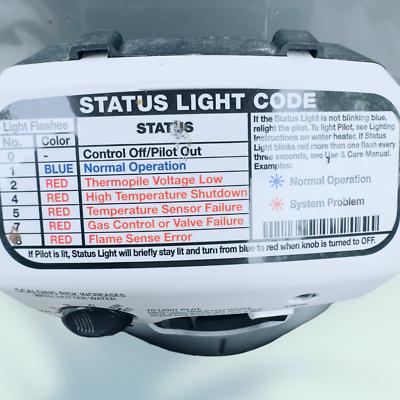
Rheem water heaters use LED indicator lights to tell you about the system’s status. The blue light is one of the most common signals you’ll see. Its meaning depends on how it blinks:
- Steady blinking (every 3 seconds): Normal operation; your heater is working as expected.
- Rapid blinking or unique patterns: Indicates a specific error or issue.
The key to understanding your unit is to count the number of blue blinks between pauses. Each pattern points to a different condition.
Common Blink Patterns And Their Meanings
Here’s a quick guide to typical blue light patterns:
| Blink Pattern | Meaning | Action Needed |
|---|---|---|
| 1 blink | Normal operation | No action |
| 2 blinks | Low flame signal | Check gas supply |
| 3 blinks | Pressure switch stuck | Inspect venting |
| 4 blinks | High temperature shut-off | Let unit cool, check thermostat |
| 5 blinks | Flammable vapor detected | Remove vapors, reset unit |
Not all Rheem models use the same codes, so always check your user manual for the exact meanings.
Why Your Rheem Water Heater Shows A Blinking Blue Light
There are several reasons your heater might be blinking blue. Here are the most common:
- Normal operation: A steady, slow blink means everything is fine.
- Power interruptions: After a power outage, the unit may restart and blink while it resets.
- Sensor or ignition problems: If the water heater can’t detect a flame or has trouble igniting, it will blink a special code.
- Vapor sensor issues: If the unit detects flammable vapors, it activates a safety lockout and blinks a warning.
- High temperature: Overheating causes the system to shut down and alert you with a blinking light.
A less obvious reason is a dirty sensor or a build-up of dust on the control board. This can cause false alerts that confuse even experienced homeowners.
How To Troubleshoot A Blinking Blue Light
When you see a blinking blue light, don’t panic. Many issues are simple to fix. Here’s a step-by-step approach:
1. Identify The Blink Pattern
Carefully watch the light and count the blinks before it pauses. This is your “code. ” Write it down.
2. Check The Manual
Look up the code in your Rheem water heater manual. If you don’t have it, you can usually find a digital version on the Rheem website.
3. Address Common Issues
Depending on the code, try these solutions:
- Normal operation (1 blink): No action needed.
- Low flame or ignition error (2 or 3 blinks): Make sure the gas supply is on. Check for any obvious blockages in the vent or exhaust.
- High temperature (4 blinks): Let the heater cool, then check the thermostat setting. If it’s too high, lower it.
- Vapor sensor alert (5 blinks): Remove any flammable materials from the area. Press the reset button if your model has one.
4. Power Cycle The Unit
Sometimes, simply turning off the heater and turning it back on can clear temporary errors. Turn off the power for 30 seconds and restart.
5. Inspect For Obvious Problems
Look for:
- Loose wires
- Unusual smells (like gas leaks)
- Water leaks near the base
- Soot or burn marks
If you see any of these, turn off the unit and call a professional.
6. Reset The Water Heater
Some Rheem models have a reset button near the control panel. Pressing this can clear certain errors. Only do this if you’re sure it’s safe.
7. Contact Support
If you can’t resolve the issue, contact Rheem customer service or a licensed plumber. Don’t try complex repairs yourself, as this can void your warranty.
Comparing Blue Light Issues With Other Warning Signals
Rheem water heaters use more than just blue lights for communication. Here’s how the blue light compares to other common indicator lights:
| Light Color | Typical Meaning | Urgency |
|---|---|---|
| Blue | Status or error codes | Varies (check code) |
| Red | Critical error or safety shutoff | High |
| Green | Power on, normal operation | Low |
| No light | No power or board failure | High |
A red light is usually more urgent than blue. If you see a red or no light at all, act quickly.
Preventing Future Blue Light Issues
A blinking blue light often comes from small, preventable problems. Simple maintenance can keep your heater running smoothly:
- Keep the area clean: Dust and debris can block sensors.
- Check vents regularly: Make sure nothing is blocking the airflow.
- Inspect annually: Have a plumber check your unit once a year.
- Test the vapor sensor: This is especially important if you store chemicals near the heater.
One non-obvious tip: Install a surge protector for your water heater. Power surges from storms or electrical issues can cause false errors and damage the control board.
Another overlooked factor is humidity. High moisture in basements or laundry rooms can cause corrosion on electrical parts. Use a dehumidifier if needed.
Real-world Example: A Homeowner’s Experience
Maria, a homeowner in Texas, noticed her Rheem water heater’s blue light was blinking rapidly. She didn’t have hot water. Following the manual, she counted 3 blinks between pauses—indicating a pressure switch issue. She found the vent was blocked by a bird’s nest.
After safely removing the blockage and restarting her unit, the light returned to a steady, slow blink, and hot water returned. This shows the importance of both understanding the codes and keeping vents clear.

Credit: www.youtube.com
When To Call A Professional
While many blue light issues are easy to solve, some situations need expert help:
- Persistent errors after reset
- Gas leaks or strong odors
- Water pooling around the unit
- Repeated overheating
Never try to fix gas lines or electrical boards yourself. It’s safer and often required by law to use a licensed plumber or electrician.
Cost Of Repairs Related To Blue Light Issues
The cost to fix problems that trigger a blinking blue light can vary:
| Issue | DIY Cost | Professional Repair Cost |
|---|---|---|
| Power cycle/reset | $0 | $80–$120 (service call) |
| Clean vent or sensor | $0–$20 (tools/cleaner) | $100–$200 |
| Replace vapor sensor | $25–$50 (part only) | $150–$300 |
| Ignition or gas valve repair | Not recommended DIY | $200–$500 |
A simple reset is free, but complex repairs can be expensive. Always check if your heater is still under warranty before paying for repairs.
Is It Safe To Ignore The Blinking Blue Light?
Ignoring the blinking blue light may seem tempting if your hot water is still working. But even minor issues can lead to bigger problems over time. For example, a small vent blockage can eventually cause carbon monoxide buildup or damage the heater.
Take every code seriously, even if the problem seems small.
Where To Find More Help
Your Rheem water heater manual is the best source for model-specific codes. For more general tips and troubleshooting guides, the official Rheem support site is helpful. If you want to see an example of error code explanations, check out this Rheem Error Code Guide.

Credit: www.schmidtmr.com
Frequently Asked Questions
What Does A Steady Blue Blinking Light Mean On My Rheem Water Heater?
A slow, steady blue blink (every 3 seconds) means normal operation. Your heater is working correctly. No action is needed.
How Do I Reset My Rheem Water Heater After A Blue Light Error?
First, fix the cause of the error if possible. Then, press the reset button on your heater’s control panel. If you don’t see a button, turn off the power for 30 seconds, then turn it back on. The light should return to normal if the issue is resolved.
Can I Still Use Hot Water If The Blue Light Is Blinking?
It depends on the error code. For some codes, hot water may still flow, but it’s best to resolve the issue quickly. Ignoring warning lights can cause damage or safety risks.
Is A Blinking Blue Light Dangerous?
Most blue light codes are not immediately dangerous but do indicate something needs attention. However, codes for flammable vapor, gas supply, or overheating should be taken seriously. Fix them right away or call a professional.
Where Can I Find My Rheem Water Heater’s Error Codes?
Your user manual lists the specific blink codes for your model. If you lost the manual, check the Rheem website for a downloadable copy or contact their support team.
conclusion
A blinking blue light on your Rheem water heater is not something to ignore—but it’s often easy to fix. By understanding what the blinks mean, keeping up with basic maintenance, and knowing when to call for help, you can keep your hot water reliable and avoid bigger headaches down the road.
Always take time to check the pattern, act quickly, and stay safe.