
When you’re driving and suddenly see the overdrive light blinking on your dashboard, it’s normal to feel worried. This small light can mean big problems, especially if you’re not sure what overdrive is or why the warning has appeared. For many drivers, especially those who don’t work with cars every day, understanding this warning can save both money and stress. Let’s break down what the blinking overdrive light means, the main causes, and what you should do next.
What Is Overdrive In A Car?
Overdrive is a feature in automatic transmissions that helps your vehicle run more efficiently at high speeds. When overdrive is on, the transmission shifts into the highest gear. This lowers engine RPM (revolutions per minute), which saves fuel and reduces engine wear. Most cars let you turn overdrive on or off with a button, usually marked “O/D.”
If your overdrive system is working well, you’ll notice smoother highway driving and better gas mileage. But when something goes wrong and the overdrive light starts blinking, it’s a sign that the system needs attention.
What Does The Overdrive Light Blinking Mean?
A blinking overdrive light is not a simple reminder like a seatbelt or door open warning. It usually means there is a problem with the transmission or related parts. In many cars, especially Ford, Toyota, and Honda models, this blinking light acts as a “check engine” light for your transmission.
Key points to remember:
- A steady overdrive light: Overdrive is turned off or on (no issue).
- A blinking/flashing overdrive light: There may be a fault in the transmission or control system.
Ignoring this warning can lead to serious and expensive problems. The car’s computer has detected a fault and is telling you to check the transmission soon.

Credit: www.youtube.com
Main Causes Of Overdrive Light Blinking
Many things can make the overdrive light blink. Here are the most common reasons:
1. Transmission Fluid Problems
Low, dirty, or burnt transmission fluid can cause trouble. The system relies on the right fluid pressure to shift smoothly. If the fluid is old or leaking, sensors notice and trigger the warning.
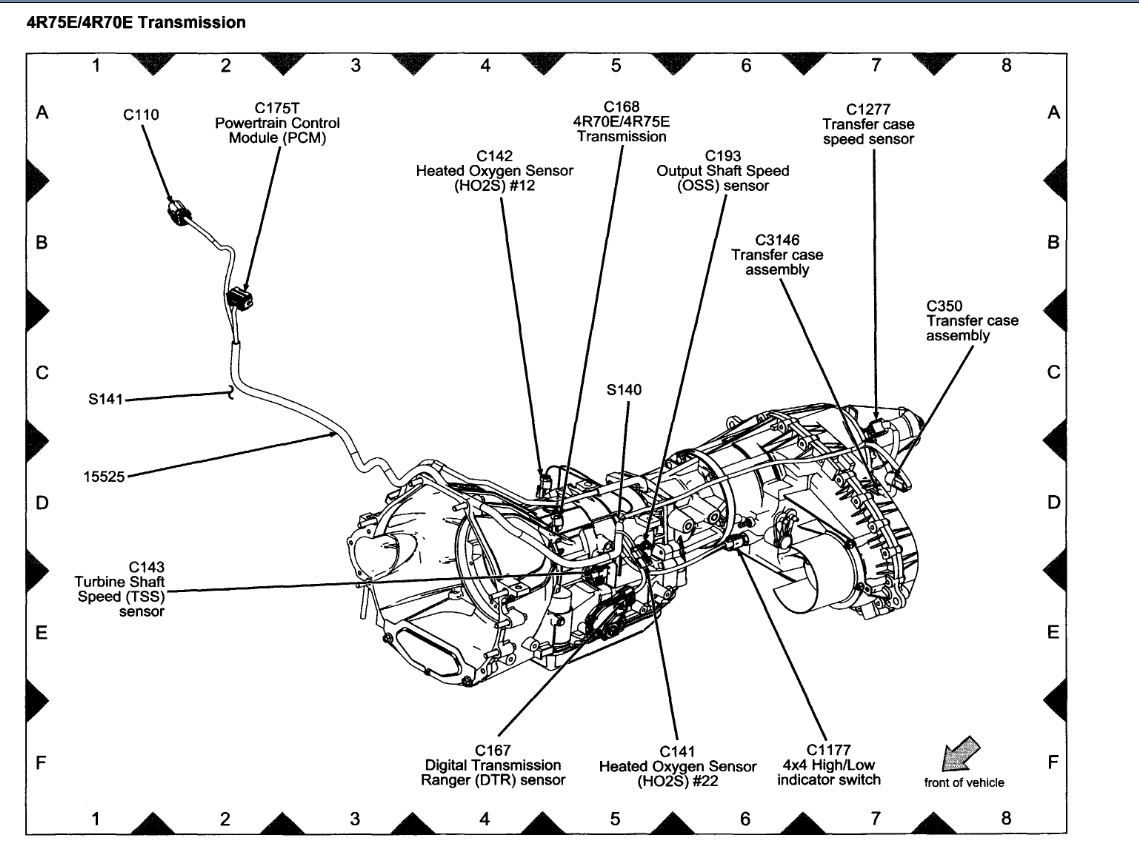
2. Faulty Transmission Solenoid
Solenoids control the flow of fluid inside the transmission. A bad solenoid can cause rough shifting or prevent overdrive from working. The computer detects this and flashes the overdrive light.
3. Worn Or Damaged Internal Transmission Parts
Clutches, bands, or gears inside the transmission can wear out. When these parts start to fail, the computer senses abnormal operation.
4. Sensor Issues
Modern cars use sensors to monitor transmission speed, temperature, and pressure. A failing sensor sends wrong signals, which can make the overdrive light blink.
5. Electrical Problems Or Wiring Faults
Wires and connectors can become loose or corroded. This interrupts communication between the computer and transmission, triggering warnings.
6. Malfunctioning Transmission Control Module (tcm)
The TCM is the “brain” of the transmission. If it malfunctions, it can’t control shifting properly. The overdrive light may blink to warn you.
7. Mechanical Overdrive Failure
In rare cases, the overdrive gear itself has failed. This is more common in older vehicles or those with high mileage.
Example: Ford Explorer Overdrive Light
The Ford Explorer is known for this issue. When the overdrive light blinks, it often means a problem with the transmission solenoid pack. Ignoring the light can lead to full transmission failure.
Signs That Go With A Blinking Overdrive Light
A blinking overdrive light rarely comes alone. Other symptoms often appear, which can help you diagnose the problem:
- Rough or delayed shifting between gears
- Strange noises (clunking, whining, or grinding)
- Slipping gears (engine revs but car doesn’t accelerate)
- Transmission overheating
- Loss of power or poor acceleration
- Check engine light also turning on
If you notice any of these along with the blinking light, take action quickly.
Credit: www.2carpros.com
What To Do When Your Overdrive Light Is Blinking
When the overdrive light blinks, don’t panic. But don’t ignore it. Here’s what you should do:
1. Pull Over Safely
If you feel the car driving strangely or hear odd noises, pull over as soon as it’s safe.
2. Check Transmission Fluid
Open the hood and check the transmission fluid level and color (if your car has a dipstick). The fluid should be pinkish and smell sweet, not burnt.
3. Restart The Car
Sometimes, restarting can reset the warning temporarily. If the light stays off, keep an eye on it, but still get your car checked soon.
4. Drive Carefully
Avoid high speeds, towing, or heavy loads. Stay in lower gears if possible until the problem is fixed.
5. Scan For Trouble Codes
A mechanic (or auto parts store) can connect a diagnostic tool to read error codes from your car’s computer. These codes point to the exact issue.
6. Visit A Professional
If you’re not comfortable checking things yourself, or the problem returns, see a trusted mechanic or transmission specialist.
Common Misunderstandings About The Overdrive Light
Many drivers make mistakes when they see the overdrive light. Here are two insights that beginners often miss:
- It’s Not Just About Overdrive
The blinking light doesn’t always mean the overdrive system itself is broken. It often signals wider transmission problems that affect the whole system.
- Turning Overdrive Off Won’t Fix the Issue
Some people try to “solve” the problem by turning off the overdrive feature. This only hides the symptom, not the cause. The underlying problem remains.
Cost Of Fixing Overdrive Light Blinking
The cost to fix this issue varies a lot. Small problems like low fluid or a bad sensor are cheap to repair. Major issues, like a failing transmission, can be expensive.
Here’s a comparison of possible repairs:
| Problem | Estimated Cost (USD) | Repair Time |
|---|---|---|
| Transmission Fluid Change | $80–$200 | 1–2 hours |
| Replace Solenoid | $150–$400 | 2–4 hours |
| Sensor Replacement | $100–$300 | 1–2 hours |
| Transmission Rebuild/Replace | $1,800–$4,500 | 1–3 days |
A diagnostic check usually costs $50–$150, but some shops will do it free if you agree to repairs.
How Mechanics Diagnose Overdrive Light Problems
When you bring your car to a shop, here’s what a typical diagnosis includes:
1. Scan For Error Codes
Mechanics use a scanner to read codes from the car’s computer.
2. Check Fluid Level And Condition
They’ll inspect fluid for color, smell, and level.
3. Test Drive
A short drive helps them feel for rough shifting or slipping.
4. Inspect Electrical Connectors
Loose or corroded connectors are checked.
5. Transmission Pressure Test
Some shops test pressure to find internal leaks or failures.
Here’s a table comparing typical diagnostic steps and what they reveal:
| Diagnostic Step | What It Checks | Common Findings |
|---|---|---|
| Error Code Scan | Electronic faults | Sensor/solenoid issues |
| Fluid Inspection | Fluid health | Low/dirty fluid |
| Test Drive | Transmission behavior | Slipping, rough shifts |
| Electrical Check | Wiring/connectors | Loose/corroded wires |
| Pressure Test | Internal leaks | Worn parts |
Can You Drive With The Overdrive Light Blinking?
You can drive short distances if the car feels normal, but it’s risky. The transmission may go into “limp” mode, which limits speed and gear changes to prevent damage. If the car feels rough, loses power, or makes noises, stop driving and get it checked.
Driving for too long with a blinking overdrive light can cause:
- Complete transmission failure
- More expensive repairs
- Unsafe driving conditions
How To Prevent Overdrive Light Issues
Prevention is always better than repair. Here are practical steps:
1. Regular Transmission Fluid Changes
Follow your car’s schedule, usually every 30,000–60,000 miles.
2. Watch For Leaks
Check under your car for red or brown spots.
3. Use The Right Fluid
Always use the transmission fluid recommended in your owner’s manual.
4. Drive Smoothly
Avoid hard acceleration and sudden stops.
5. Service Transmission When Needed
Don’t skip scheduled maintenance.
Overdrive Light Blinking Vs. Check Engine Light
Drivers often confuse these two warnings. Here’s a quick comparison:
| Warning Light | What It Means | System Affected |
|---|---|---|
| Overdrive Light (Blinking) | Transmission-related fault | Transmission/Overdrive |
| Check Engine Light | Engine or emission fault | Engine/Emissions/Transmission |
Sometimes both lights come on together, which means a more serious issue.
Why Quick Action Matters
Ignoring a blinking overdrive light often leads to bigger problems. Many drivers think the car will “fix itself,” but transmission issues tend to get worse. Acting quickly can mean the difference between a simple sensor replacement and a costly transmission rebuild.
Two less obvious insights:
- Small problems can trigger big warnings. Even a loose wire or dirty fluid can make the light blink.
- Regular maintenance often prevents transmission trouble. Don’t wait for a light to remind you.
Credit: www.yourmechanic.com
Frequently Asked Questions
Why Does My Overdrive Light Blink After Long Drives?
Heat is a common trigger. After long drives, the transmission fluid may overheat if it’s old or low. Sensors pick up this abnormal temperature and tell the computer to warn you. Make sure you’re using the right fluid and change it as recommended.
Will Disconnecting The Battery Reset The Overdrive Light?
It might reset the computer and turn off the light temporarily. However, this does not fix the real problem. The warning will likely return, sometimes with worse symptoms. Always address the root cause, not just the symptom.
Is It Safe To Tow With The Overdrive Light Blinking?
No. Towing puts extra stress on the transmission. If the overdrive light is already blinking, towing can lead to serious damage. Fix the issue before hauling heavy loads.
Can A Blinking Overdrive Light Damage My Engine?
The blinking overdrive light points to a transmission issue, not the engine itself. However, if you ignore the problem, the transmission can fail, and this might cause engine performance problems due to lost power or safety modes.
Where Can I Find More Details About My Car’s Overdrive System?
Your owner’s manual has valuable information. For deeper details, check official sources like the Wikipedia page on overdrive.
Seeing the overdrive light blinking is never a good sign, but it doesn’t have to be a disaster. Understanding what the light means, acting quickly, and keeping up with maintenance will help you stay safe and avoid expensive repairs. If in doubt, always trust a professional to diagnose and fix the problem. Your car—and your wallet—will thank you for it.