
When you’re driving your Subaru and suddenly see the check engine light turn on, it can be worrying. But when that light comes with a blinking cruise control indicator, confusion and concern often grow. Many Subaru owners have faced this situation, and it’s easy to wonder: Is my car about to break down? Can I keep driving? What does this actually mean?
The truth is, this combination of warning lights is common in Subarus. But it doesn’t always mean a major problem. Understanding what triggers the check engine light and the cruise control blinking can help you react the right way, avoid bigger issues, and even save money on repairs. This article explains why these lights come on together, what you should do next, and how to avoid mistakes that many drivers make. You’ll also find practical tips, real examples, and answers to common questions—so you can handle this situation with confidence.
Why Do Subaru Check Engine And Cruise Control Lights Blink Together?
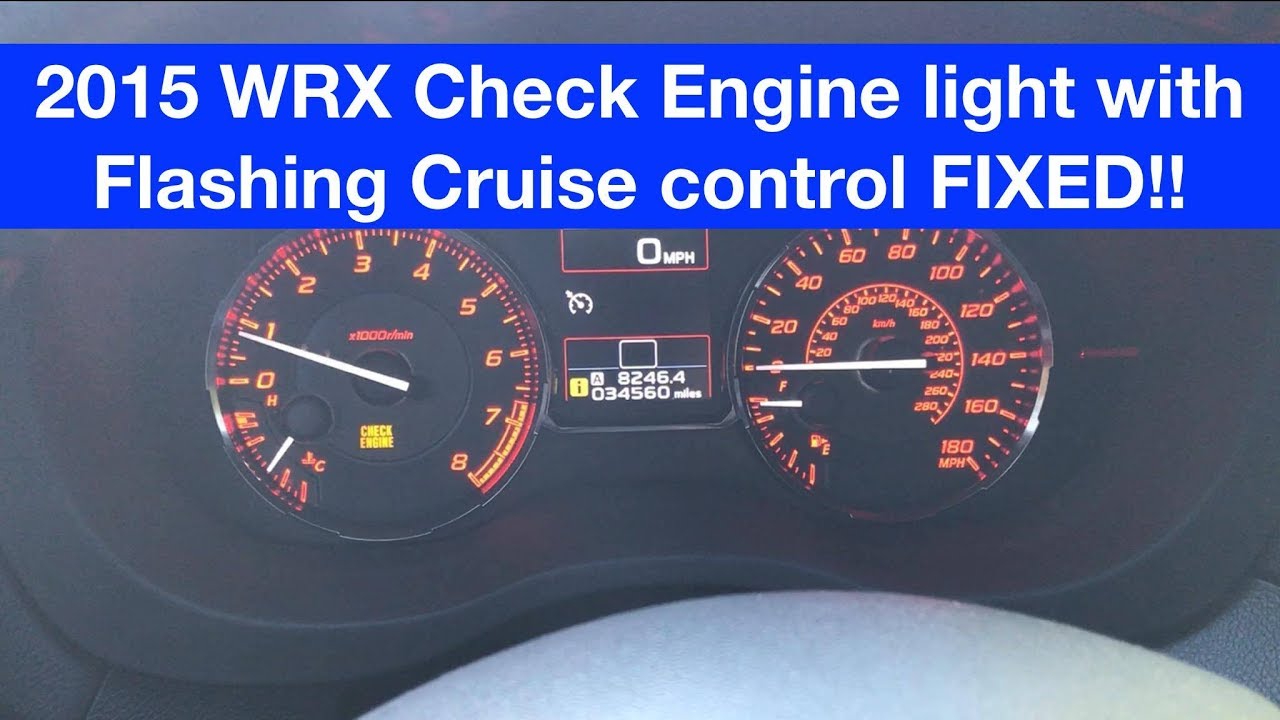
Subaru uses a smart system to warn drivers about possible engine or emission issues. When the check engine light turns on, the car’s computer has detected something outside normal limits. But why does the cruise control light also start blinking?
When the engine computer finds a problem, it often disables the cruise control automatically. This is a safety feature. Subaru wants to make sure you don’t use cruise control when the engine is not running perfectly. To let you know, the cruise control light blinks instead of staying solid.
In simple terms:
- Check engine light = Engine or emission problem detected
- Blinking cruise control light = Cruise control disabled due to the issue
This combination is Subaru’s way to get your attention quickly. It’s not just a random glitch—it means your car needs a check soon.
Common Reasons For Subaru Check Engine Light And Cruise Control Blinking
There are many reasons these lights come on together. Some are minor, while others need fast attention. Here are the most frequent causes:
1. Loose Or Faulty Gas Cap
A gas cap that isn’t tight can let fuel vapor escape. This triggers the car’s emission system, turning on the check engine light.
2. Oxygen Sensor Failure
The oxygen sensor checks how much oxygen is in your exhaust. If it fails, the engine may run poorly or pollute more.
3. Faulty Spark Plugs Or Wires
Bad spark plugs or wires can cause misfires. This makes the engine run rough and can damage other parts if ignored.
4. Catalytic Converter Problems
The catalytic converter helps control emissions. If it fails, both lights will come on, and your car might run poorly.
5. Mass Air Flow Sensor Issues
The MAF sensor measures air entering the engine. Problems here can cause stalling, rough idling, and warning lights.
6. Engine Misfire
Misfires can happen for many reasons—bad fuel, sensors, or ignition parts. The computer detects this and alerts you.
7. Evaporative Emission System Leak
Leaks in this system are often small but still turn on warning lights. Sometimes, it’s as simple as a cracked hose.
8. Transmission Issues
In some Subarus, transmission problems also trigger both lights. This is less common but more serious.
9. Aftermarket Parts Or Modifications
Non-Subaru parts or engine mods sometimes confuse the computer, causing false alarms.
Example: The Loose Gas Cap
Many Subaru drivers find that after filling up with gas, the check engine and cruise control lights come on. In most cases, the problem is just a loose gas cap. Tightening it and driving for a few cycles usually clears the warning. But if the light stays on, further checks are needed.
What To Do First: Step-by-step Action Guide
Seeing these lights can make anyone nervous. Here’s how to respond calmly and wisely:
1. Check The Gas Cap
Stop your car safely and check the gas cap. Make sure it’s tight and clicks into place. This simple fix solves the problem for many people.
2. Notice How The Car Drives
Is the engine running smoothly? Any strange noises, loss of power, shaking, or smells? If so, avoid driving far. If it feels normal, you can often drive short distances safely.
3. Don’t Use Cruise Control
With the blinking light, cruise control is off for safety. Don’t try to force it on.
4. Read The Error Code
If the light stays on, use an OBD-II scanner to read the trouble code. Most auto parts stores will do this for free. The code tells you what part of the engine needs attention.
- Decide on Next Steps
- If the car runs fine and the code is minor (like P0457 for gas cap), you can fix it yourself.
- If the code is serious (like P0300 for misfire), or if the engine runs badly, get a mechanic’s help soon.
Don’t Ignore Persistent Warnings
Some people hope the lights will go away on their own. Sometimes they do—but ignoring them can lead to bigger, more expensive problems. Even if the car feels normal, the computer detected something real.
How Subaru’s Warning Lights Compare To Other Brands
Subaru’s system is a bit different from some other automakers. Here’s a simple comparison to help you understand:
| Brand | Check Engine Light | Cruise Control Reaction | Extra Warnings |
|---|---|---|---|
| Subaru | On or blinking | Blinks; cruise disabled | Traction/VDC may also light up |
| Toyota | On or blinking | Usually stays on; cruise often works | Rarely disables cruise |
| Honda | On or blinking | May disable cruise; no blinking | VSA (stability) may light up |
| Ford | On or blinking | Cruise usually works | Other lights (ABS, traction) may come on |
As you can see, Subaru makes it very clear when cruise control is shut off for safety. This is designed to protect the engine and driver.
Diagnosing The Problem: Tools And Tips
If you want to find out what’s wrong yourself, you’ll need a few tools and some basic knowledge. Here’s how you can get started:
Using An Obd-ii Scanner
An OBD-II scanner plugs into your Subaru’s diagnostic port (usually under the dashboard). It reads codes from the car’s computer, such as:
- P0420: Catalytic converter efficiency below threshold
- P0301: Cylinder 1 misfire detected
- P0171: System too lean (bank 1)
With the code, you can look up the meaning online or in your Subaru’s service manual.
Subaru-specific Codes
Some Subaru codes are unique. If you get a code that starts with “P1,” it may mean a Subaru-only issue. These can be harder to diagnose without a factory service manual.
Practical Example
Let’s say your scanner shows P0457 (Evaporative Emission System Leak Detected). This usually means a gas cap issue or a small vapor leak. Tighten the cap, clear the code, and see if the lights stay off.
When To See A Mechanic
If you don’t have a scanner, or the code is unclear, visit a trusted mechanic. Always go sooner if you notice:
- Flashing check engine light (not just solid)
- Strong fuel smell
- Engine running rough or stalling
- Smoke from exhaust
These signs can mean a serious problem.
Common Mistakes To Avoid
Many Subaru owners make simple errors that can make things worse or cost more money. Here’s what to watch out for:
1. Ignoring Warning Lights
Hoping the problem will go away rarely works. Small issues can turn into big repairs if left too long.
2. Guessing The Problem
Don’t change random parts without knowing the code. This wastes money and time.
3. Resetting The Light Without Fixing
Some people clear the codes with a scanner, but the problem returns. Fix the cause first, then reset.
4. Using Low-quality Replacement Parts
Cheap sensors or plugs often cause more trouble. Use OEM (original equipment) parts when possible.
5. Overfilling Gas Tank
Filling past the “click” can damage emission controls and trigger warning lights.
How Serious Is The Problem?
Not all warning lights mean the same level of risk. Here’s a quick guide:
| Light Behavior | Possible Severity | Action Needed |
|---|---|---|
| Both lights solid | Minor to moderate | Check soon, but can drive short distances if car feels normal |
| Check engine blinking | Serious (misfire, risk of damage) | Stop driving, get to mechanic ASAP |
| Cruise control blinking only | Rare, may be electrical issue | Check with mechanic |
A blinking check engine light is always urgent. It usually means a misfire that can harm the engine or catalytic converter.
Preventing Future Problems
Most warning lights are caused by small things that can be avoided. Here’s how to keep your Subaru running smoothly:
1. Tighten The Gas Cap Every Time
After refueling, make sure you hear several clicks.
2. Use Quality Fuel
Bad gas causes misfires and sensor problems. Choose reliable stations.
3. Regular Maintenance
Replace spark plugs, filters, and fluids at the recommended intervals.
4. Check For Recalls
Some Subaru models have recalls for sensors or computers. Check your VIN on the official Subaru site.
5. Avoid Overfilling Gas Tank
Stop when the pump clicks off.
6. Don’t Ignore New Noises Or Smells
Address small problems early before they get worse.
Non-obvious Insight: The Impact Of Humidity
In some areas, high humidity or very wet weather can cause sensors to act up. If your warning lights come on after heavy rain, inspect the engine bay for moisture around connectors.
Non-obvious Insight: Battery Health Matters
A weak or old battery can cause false warning lights in Subarus. If your battery is more than 3 years old or slow to start, have it checked.

Credit: www.reddit.com
Can You Drive With These Lights On?
The short answer: sometimes, but not always.
- If both lights are on but the car drives normally, you can usually drive to a repair shop.
- If the check engine light is blinking, or the car feels rough, stop as soon as safe.
- Never use cruise control when the system disables it.
Driving too long with warning lights can cause expensive damage—especially to the catalytic converter, which costs over $1,000 to replace.
The Cost Of Repairs
What you’ll pay depends on the cause. Here are some average repair costs for Subaru owners:
- Gas cap replacement: $20–$30
- Oxygen sensor: $150–$300
- Spark plugs and wires: $100–$250
- MAF sensor: $200–$400
- Catalytic converter: $1,000–$2,000
- Evap system leak: $100–$300
Some issues can be fixed at home. Others need a pro. Always get a clear estimate before approving work.

Credit: www.reddit.com
Real-world Example: Subaru Forester 2014
A driver notices both warning lights after filling up with gas. The car runs fine. A free scan at an auto parts store shows code P0457. The solution? Tighten the gas cap, clear the code, and drive. The lights stay off.
But a month later, the lights return. This time, the code is P0302 (cylinder 2 misfire). The car now shakes at idle. The owner replaces the spark plugs with Subaru parts—problem solved.
Lesson: Not all warning lights are serious, but codes should always be checked.
When To Visit The Dealership
If your Subaru is still under warranty, or the problem is complex, visiting a dealership may be best. Dealers have advanced tools and Subaru-trained techs. For newer models, software updates can sometimes fix strange warning lights.
But for out-of-warranty cars, an independent Subaru specialist may save money.
Credit: www.youtube.com
How Mechanics Diagnose Subaru Warning Lights
Here’s what a good mechanic will do:
1. Scan For Codes
They read all stored codes, not just the first one.
2. Inspect Common Parts
They check the gas cap, spark plugs, sensors, and wiring.
3. Test Drive
A short drive to see if symptoms match the codes.
4. Check For Technical Service Bulletins (tsbs)
Sometimes Subaru issues TSBs for known problems.
5. Clear Codes And Re-test
After a fix, they clear the codes and see if the problem returns.
If your mechanic just replaces parts without testing, consider getting a second opinion.
Subaru Models Most Affected
While all Subarus can show these warnings, some models have more reports:
- Forester (2009–2015)
- Outback (2010–2016)
- Impreza (2012–2017)
- Legacy (2010–2017)
This is often due to the popularity of these models, not a major design flaw.
Should You Buy An Obd-ii Scanner?
For Subaru owners, a basic OBD-II scanner is a smart investment (cost: $25–$80). It quickly tells you the code, which saves time and money—even if you let a mechanic do the repairs.
Bluetooth scanners pair with your smartphone and show codes plus live data. This can help you spot issues before they get serious.
Trusted Resources For Further Help
If you want to learn more about Subaru warning lights, the official Subaru owner’s site has guides and recall information. For a deep dive into OBD-II codes, see the EPA’s resources at EPA OBD-II Information.
Online Subaru forums and YouTube channels are also helpful, but always double-check advice with a pro.
Frequently Asked Questions
What Does It Mean If My Subaru Check Engine Light Is On And The Cruise Control Light Is Blinking?
This means the car’s computer found a problem—often with the engine or emissions. To protect the engine, Subaru turns off cruise control and flashes the indicator. You should check the gas cap first, then scan for error codes.
Is It Safe To Drive With These Lights On?
If the car drives normally and the check engine light is solid (not blinking), it’s usually safe to drive short distances. If the light is blinking or the car runs badly, stop and get it checked right away.
Can A Loose Gas Cap Cause Both Lights To Come On?
Yes, a loose or broken gas cap is one of the most common causes. Always check and tighten it after refueling. If the lights don’t go off after a few drives, scan for codes.
How Do I Reset The Check Engine And Cruise Control Lights?
After fixing the cause, you can use an OBD-II scanner to clear the codes. Sometimes, the car will reset itself after a few normal drives. If the lights return, the problem isn’t fixed.
Will The Dealership Charge Me Just To Read The Code?
Some dealerships charge a fee ($50–$120) to scan codes. Many auto parts stores read codes for free. Always ask before paying, and consider getting your own scanner for future problems.
Subaru’s check engine and cruise control lights can be stressful, but with the right information, you can handle them calmly and wisely. Acting quickly, checking the basics, and knowing when to get help will keep your Subaru running smoothly for years to come.