
If you see the D light blinking on your Honda’s dashboard, it usually means something is wrong. Many drivers feel worried or confused when this happens. Some may keep driving, hoping the light will turn off. Others may rush to a mechanic without knowing what the problem might be. Understanding what the blinking D light means, why it happens, and how to react can help you avoid bigger repairs and drive safely. This article explains everything in clear steps, using simple language for all Honda owners—especially if you’re not an expert with cars or English.
What Is The D Light On A Honda?
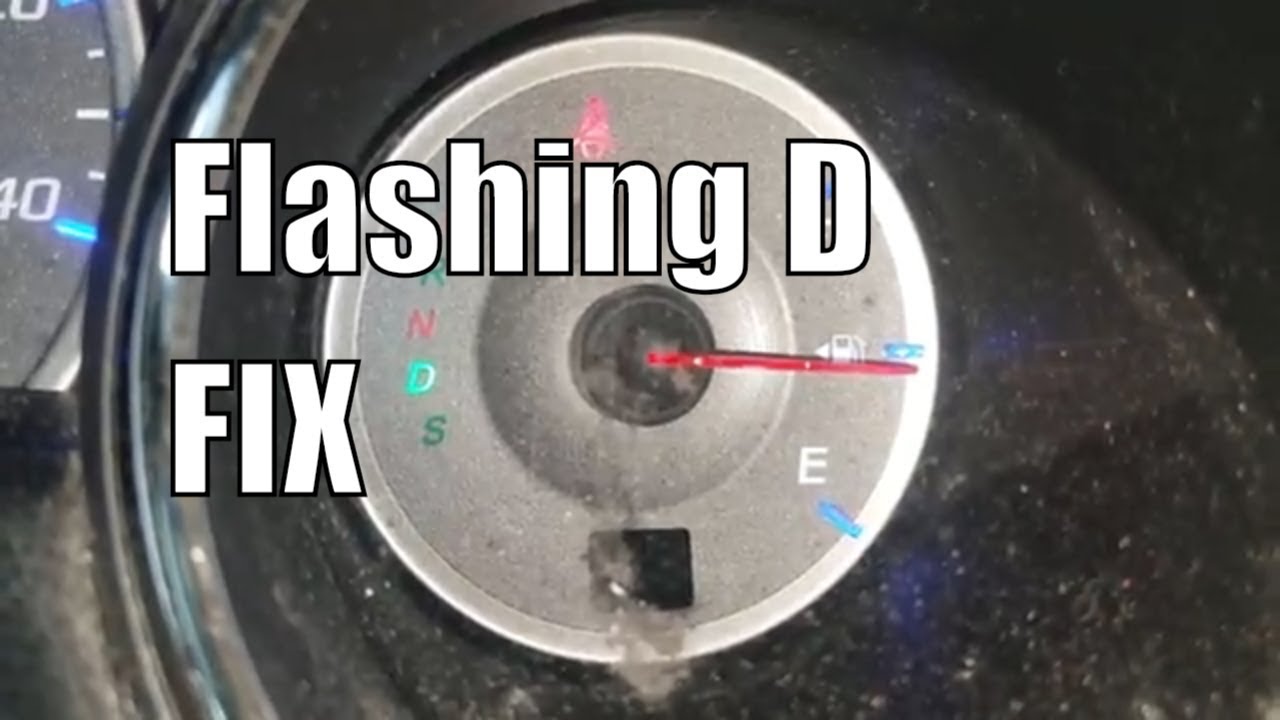
On most Honda vehicles, the D light (Drive indicator light) is located on the dashboard, near the gear selector display. When you put your car in Drive, this light tells you the transmission is in the correct gear for moving forward. Normally, the D light is steady or green. But if it starts blinking, it’s not just a small warning—it’s a sign of a possible problem with your car’s automatic transmission system.
Some newer Honda models may display a blinking D with a message. Older ones just flash the D light. Either way, it means your car’s computer has detected a fault. Ignoring this warning can lead to poor driving performance, more damage, or even safety risks.
Common Reasons Why The D Light Blinks
Understanding why this light blinks helps you react correctly. Here are the most common reasons:
1. Transmission Problems
The automatic transmission is a complex part of your Honda. It uses sensors, fluid, and computer controls to shift gears. A blinking D light often points to:
- Low, dirty, or burnt transmission fluid
- Faulty sensors (such as speed, pressure, or temperature sensors)
- Failing shift solenoids (these control gear changes)
- Internal transmission damage (like worn clutches or bands)
If the transmission isn’t working well, you might also notice rough or delayed shifting, strange noises, or a burning smell.
2. Electrical Or Sensor Issues
Modern Hondas depend on many electrical connections and sensors. If a sensor or wire related to the transmission has a problem, the D light may blink. Examples include:
- Damaged wiring harnesses
- Faulty transmission range sensors (these tell the computer which gear is selected)
- Bad vehicle speed sensors
Sometimes, a loose battery connection or a low battery can also trigger warning lights.
3. Computer (ecu/tcm) Errors
Your car’s main computer (ECU) and transmission control module (TCM) communicate constantly. If there is a software glitch, communication error, or corrupted data, the D light can blink. In rare cases, a failed control module may be the root cause.
4. Overheating Transmission
If the transmission gets too hot, the D light may blink to warn you. Overheating is often caused by:
- Low transmission fluid level
- Old or wrong type of fluid
- Heavy towing or driving in hot weather
- Clogged transmission cooler
Ignoring this can lead to permanent damage.
5. Other Related Issues
Sometimes, other problems linked to the transmission system can cause the D light to blink:
- Failing torque converter
- Mechanical linkage issues
- Aftermarket alarm or remote start system interfering with wiring
Surprisingly, even a recent battery replacement or jump-start can confuse the car’s computer and trigger a blinking D light for a short time.
Immediate Steps To Take When The D Light Is Blinking
If you see the D light blinking, don’t panic. Here’s what you should do:
1. Check For Other Warning Lights
Is the check engine light, ABS, or any other warning also on? This can help you understand if the problem is bigger than just the transmission.
2. Drive Carefully
If the car still drives, avoid high speeds or heavy loads. Shift gears gently. If the car feels strange—like slipping, jerking, or not moving—find a safe place to stop.
3. Check The Transmission Fluid
Park on level ground, set the parking brake, and check the transmission fluid (if your model has a dipstick). Look for:
- Low fluid level
- Dark, burnt, or dirty fluid
- Metal shavings in the fluid
If the fluid is low, add the correct type specified in your owner’s manual.
4. Restart The Car
Sometimes, turning the engine off and restarting can reset warning lights if the problem was a glitch.
5. Do Not Ignore The Problem
Even if the car drives fine, keep in mind the blinking D light means a stored error code. Driving long-term with this warning can cause costly repairs.
6. Visit A Mechanic
If the light stays on, or you notice poor shifting or noises, take your Honda to a qualified technician. They can use a scan tool to read the diagnostic codes.
How Mechanics Diagnose A Blinking D Light
Fixing the problem starts with a proper diagnosis. Here’s how professionals do it:
Step 1: Scan For Diagnostic Trouble Codes (dtcs)
Mechanics connect a scan tool to the car’s OBD-II port. This tool reads stored error codes that point to the problem. For example, P0700 is a common Honda code for a transmission control system fault.
Step 2: Check Transmission Fluid
They inspect the fluid’s color, smell, and level. Healthy fluid is usually pink or red and doesn’t smell burnt.
Step 3: Visual Inspection
Technicians look for obvious problems, like leaking fluid, damaged wires, or loose connectors.
Step 4: Test Drive
A short drive helps the mechanic feel for any slipping, harsh shifts, or noises that confirm the code’s meaning.
Step 5: Further Testing
If the problem isn’t clear, they may test sensors, solenoids, or the transmission’s internal pressure.
Comparing Common Transmission Problems
It helps to see how common transmission issues compare in terms of symptoms, urgency, and cost. Here’s a summary:
| Problem Type | Symptoms | Urgency | Estimated Repair Cost |
|---|---|---|---|
| Low Transmission Fluid | Slipping gears, delayed shifting | High | $80–$250 |
| Faulty Sensor | Blinking D light, check engine light | Medium | $100–$400 |
| Shift Solenoid Failure | Stuck in gear, hard shifting | High | $200–$700 |
| Transmission Overheating | Burning smell, blinking D light | Very High | $100–$600 (if caught early) |
| Internal Transmission Damage | Noisy, no movement, blinking D light | Critical | $1,500–$4,000+ |
Note: Prices depend on your Honda model, year, and where you live.
How To Prevent Transmission Problems In Your Honda
Prevention is always better than repair. Here’s how you can help avoid a blinking D light and costly breakdowns:
1. Regular Transmission Fluid Changes
Follow your owner’s manual for when to change transmission fluid. For many Hondas, this is every 30,000–60,000 miles. Use only the recommended Honda fluid—using other types can cause problems.
2. Watch For Leaks
Check under your car for red or brown puddles. Even small leaks can lead to big problems over time.
3. Drive Gently
Avoid hard acceleration, towing over the limit, or sudden stops and starts. Aggressive driving stresses the transmission.
4. Service The Transmission
Ask your mechanic to check the transmission and related parts during regular service. Early detection saves money.
5. Update Software
If your Honda dealer offers a transmission software update, get it. Updates can fix glitches that cause the D light to blink.
6. Keep The Engine Healthy
A rough-running engine can make the transmission shift poorly. Regular tune-ups help both systems.
Real-world Example: Blinking D Light In A Honda Accord
Let’s look at a real case. A 2012 Honda Accord owner noticed the D light blinking after a long drive. The car shifted roughly, and the check engine light came on. At the mechanic, the scan tool showed a code for a failed shift solenoid. Fluid was also dark and smelled burnt.
Repairs included:
- Replacing the shift solenoid
- Flushing and refilling the transmission fluid
- Resetting the computer
Total cost was about $650. The car ran fine afterward, and the D light stopped blinking. The owner learned the importance of regular fluid changes—a step he had skipped for years.
Common Mistakes To Avoid
Drivers often make errors when they see a blinking D light. Here are some to avoid:
- Ignoring the warning: Driving too long with the D light blinking can turn a minor problem into a big one.
- Using the wrong fluid: Always use Honda-approved fluid. Other types can cause damage.
- DIY without knowledge: Guessing the problem or resetting codes without repair can hide the real issue.
- Trusting only “universal” scan tools: Some error codes are Honda-specific. A mechanic with the right tool can read these.
- Not checking for recalls or TSBs: Honda sometimes issues recalls or technical bulletins for transmission problems. Check with your dealer.
Credit: www.youtube.com
When Is It Safe To Keep Driving?
You may wonder if you can keep driving with the D light blinking. The answer depends on how your car behaves:
- If the car drives normally and no other lights are on, you may drive short distances to a mechanic.
- If you feel jerking, slipping, or poor response, stop driving. Continuing could leave you stranded or cause more damage.
- If you hear strange noises (like whining or grinding), or smell burning, stop immediately.
It’s always safer to have your Honda checked as soon as possible.
What If The D Light Stops Blinking?
Sometimes the D light blinks for a short time and then stops. This could mean:
- The problem was temporary (such as a loose wire)
- The car’s computer reset itself
- There is an intermittent problem that may return
Even if the light stops, the computer usually keeps a record of the fault code. A mechanic can still read it and find out what happened. Don’t ignore the first warning.
Should You Try To Reset The D Light Yourself?
Some people try to reset warning lights by disconnecting the battery or using a scan tool. This may turn off the D light, but it doesn’t fix the cause. If the problem is still there, the light will come back.
Resetting without repair can delay proper service, leading to higher repair costs.
Honda Models Most Affected By Blinking D Light
The D light issue can happen on many Honda models, but some are more likely to have it. Here’s a comparison:
| Honda Model | Years Commonly Affected | Typical Causes |
|---|---|---|
| Accord | 2003–2017 | Solenoids, fluid, sensors |
| Civic | 2001–2015 | Fluid, range sensor, wiring |
| CR-V | 2002–2016 | Transmission overheating, solenoids |
| Odyssey | 2005–2015 | Internal transmission faults |
| Pilot | 2003–2017 | Sensor, shift solenoids |
Non-obvious Insights Most People Miss
- Transmission Codes Are Not Always Shown on Basic Scan Tools
Many auto parts stores offer free code scans. However, generic OBD-II readers may not display all transmission codes, especially those specific to Honda. Visiting a Honda specialist or dealer ensures a full diagnosis.
2. Transmission Fluid Condition Reveals More Than Level
Most people check only the fluid level, but the color and smell tell you about internal health. Burnt or dark fluid points to overheating or worn parts, even if the level is correct.
3. Software Updates Can Fix Blinking D Light
Not all problems are mechanical. Sometimes, a Honda dealer can update the transmission’s software, solving shifting issues or false warnings. This is often overlooked by independent mechanics.
How The Blinking D Light Affects Performance And Safety
A blinking D light doesn’t just mean a small annoyance. It can result in:
- Reduced fuel economy: The transmission may get stuck in a lower gear.
- Loss of power: Slipping gears reduce acceleration.
- Unexpected shifting: This can be dangerous, especially at highway speeds.
- Limp mode: The car’s computer may limit engine power to prevent damage, making it hard to drive.
Always treat the blinking D light as a sign to check your car soon.

Credit: www.reddit.com
When A Transmission Rebuild Or Replacement Is Needed
If you ignore the blinking D light for too long, the problem can get worse. You may need a full transmission rebuild or replacement. Signs include:
- No movement in Drive or Reverse
- Loud grinding noises
- Metal in the fluid
- Multiple error codes
A transmission rebuild can cost between $1,800 and $4,000, depending on the model and where you live. Replacement is even more.
Can You Drive With A Blinking D Light On A Road Trip?
It’s risky to go on a long trip with the D light blinking. The problem may get worse far from home. If you must travel:
- Check fluid levels and top up if needed
- Carry the owner’s manual and emergency numbers
- Avoid heavy loads and high speeds
- Plan for possible breakdowns
It’s always better to fix the problem before a trip.
Credit: www.reddit.com
What To Tell Your Mechanic
When you visit a mechanic, share these details for a faster, more accurate repair:
- When did the blinking start?
- Did you notice any other symptoms (noises, smells, poor shifting)?
- Is the D light blinking all the time, or only sometimes?
- Did you recently add or change transmission fluid?
- Have you had recent battery or electrical work?
The more information you give, the faster your Honda will be fixed.
How Honda Owners Rate Their Experience
Surveys and forums show that about 15% of Honda owners report seeing the D light blinking at least once after 5 years of ownership. Most say the problem was fixed by:
- Replacing a sensor or solenoid (40%)
- Changing transmission fluid (30%)
- Software update (10%)
- Full transmission rebuild (20%)
Regular maintenance lowers the chance of major repairs.
Trusted Resources And Where To Learn More
For more details, you can check the owner’s manual for your specific model. Honda’s official website and forums are also helpful. The US Department of Transportation’s NHTSA database lists recalls and complaints for all car models.
Frequently Asked Questions
Why Is The D Light Blinking But My Car Drives Fine?
Even if your Honda seems to drive normally, the blinking D light means the computer has detected a problem. The issue could be mild now but may get worse over time. It’s best to have the codes checked soon.
How Much Does It Cost To Fix A Blinking D Light On A Honda?
Costs vary based on the problem. Simple fixes like fluid change or sensor replacement can cost $80–$400. Major repairs like a transmission rebuild may cost $1,500–$4,000 or more.
Can I Reset The D Light Myself With A Scan Tool?
You can clear the warning, but if you don’t fix the cause, the light will return. Always repair the underlying problem before resetting warnings.
Is It Safe To Drive With The D Light Blinking?
Short trips to a mechanic are usually safe if the car drives normally. If you notice rough shifting, slipping, noises, or burning smells, stop and get help immediately.
What Is The Most Common Cause Of The Blinking D Light In Hondas?
The most common causes are low or bad transmission fluid, failed solenoids, or faulty sensors. Regular maintenance helps prevent these issues.
A blinking D light on your Honda is your car’s way of asking for help. Acting early can save you time and money, and keep your car reliable for years to come. Remember, most transmission problems start small. Taking care of your Honda means you’ll rarely see this warning—and if you do, you’ll know exactly what to do.