
A Ninja blender makes life easier in the kitchen. You can blend fruits, crush ice, and make smoothies in seconds. But what happens when you press the power button and instead of a solid light, it starts blinking? Many users feel confused and worry something is broken. In fact, a blinking power button is usually your blender’s way of telling you something is wrong, but it can often be fixed at home.
In this guide, you’ll learn why the power button on your Ninja blender blinks, what each blinking pattern means, and how you can solve the issue. We’ll also cover mistakes people make, safety tips, and answer common questions. By the end, you’ll know exactly what to check and how to get your blender working again—without a trip to the repair shop.
What Does A Blinking Power Button Mean?
When the power button blinks on a Ninja blender, the machine is trying to communicate. Think of it as an error signal. This is a safety feature. Instead of letting you blend with a problem, it warns you first. The blinking often means one of these:
- The blender parts are not assembled correctly
- The lid or pitcher is not locked
- The motor is overloaded
- The blender needs a reset
- There is a fault or technical problem
Each model may have slightly different blinking patterns. However, the main causes are similar for most Ninja blenders, including the Ninja Professional, Ninja BL610, and Ninja BL770.
Common Reasons For A Blinking Power Button
Let’s look closer at the most common triggers for a blinking power light on your Ninja blender.
1. Improper Assembly
The number one reason is incorrect assembly. Ninja blenders have safety sensors. If parts are not in place, the blender will not start. This helps prevent accidents, like blades spinning when the lid is off.
- Pitcher not seated: The pitcher must sit snugly on the base. If it’s crooked or not pressed down, the sensor does not connect.
- Lid not locked: The lid has a locking tab. If it’s not snapped fully, the power button blinks.
This design is found in most Ninja models. Even a small misalignment can trigger the blinking light.
2. Lid Or Handle Not Secure
The lid has a locking handle. If the handle isn’t fully down or the lid isn’t closed, the power button blinks. Some lids can be tricky. If you hear a click, but it’s not fully closed, check again.
- Always align the arrows on the lid and pitcher.
- Press the handle down until you hear a solid click.
3. Overloaded Blender
If you try to blend too much at once, the motor feels extra strain. This can trigger the overload protection. The blinking light warns you to lighten the load.
Overloading can happen if you:
- Fill the pitcher past the max line
- Blend very thick mixtures (like nut butter)
- Add lots of ice without enough liquid
4. Motor Needs Resetting
Sometimes, the motor’s safety system activates after a heavy load or a jam. The blinking light means the blender needs a short rest or reset.
- Unplug the blender for 15–30 minutes.
- Plug it back in and try again.
This can clear minor motor errors.
5. Technical Faults
Less often, the blinking means a real electrical problem. This could be from:
- A faulty pitcher sensor
- Worn-out buttons
- Loose wiring
- A damaged motor
If none of the above solutions work, this may be the cause.

Credit: www.youtube.com
How To Fix A Blinking Power Button
If your Ninja blender won’t stop blinking, don’t worry. You can usually solve it with a few checks. Here’s a step-by-step troubleshooting guide.
Step 1: Unplug And Reassemble
First, unplug your blender. Take apart all removable parts—lid, pitcher, blade assembly. Wipe away any food or liquid, especially on the base and contact points. Sometimes, a drop of smoothie or residue blocks the safety sensors.
Then, reassemble:
- Place the pitcher on the base. Make sure it sits flat.
- Align the handle with the front or side, as marked.
- Add the blade and ingredients (don’t overfill).
- Place the lid on top. Align the arrows.
- Push down the handle until you hear a click.
Plug in and check the power button. If the light is steady, you’re ready to blend.
Step 2: Check Lid And Handle
If the light still blinks, focus on the lid and handle:
- Open and close the lid again.
- Press down on the handle firmly.
- Look for cracks or worn plastic that might prevent a tight seal.
Some users miss a tiny gap if the lid is slightly warped. If your lid seems loose, try another Ninja lid if you have one, or contact support for a replacement.
Step 3: Reduce Ingredients
If your blender is overloaded:
- Remove some food or ice.
- Add more liquid to help blending.
- Try blending in smaller batches.
Always stay below the Max Fill line.
Step 4: Let The Motor Cool
If you blended a thick mix or the blender smells hot, the motor may need time to cool. Unplug it for 15–30 minutes. After the break, plug it back in. This reset often clears the blinking light.
Step 5: Inspect For Faults
If none of the above steps work, check for technical problems:
- Look at the base for cracks or loose parts.
- Gently shake the pitcher. If you hear rattling, the sensor may be damaged.
- Try a different power outlet.
If the power button still blinks, contact Ninja’s customer service. They can walk you through more detailed troubleshooting, or tell you if your blender needs repair.
Model Differences: How Blinking Lights Vary
Not all Ninja blenders use the same blinking signals. Here’s a quick look at some popular models and what their blinking power button usually means.
| Model | Blinking Pattern | Common Cause |
|---|---|---|
| Ninja BL610 | Flashing power button | Pitcher or lid not locked |
| Ninja BL770 | Flashing power button | Overload or misalignment |
| Ninja Mega Kitchen System | Alternating lights | Part not fully seated |
| Ninja Nutri Ninja | Blinking red light | Lid or cup not twisted fully |
Always check your owner’s manual for the exact meaning in your model.
Safety Features Behind The Blinking Light
Ninja blenders use sensors and locks to protect you. Here’s why:
- Prevents accidents: Blades won’t spin if the lid is off.
- Protects the motor: Stops blending if overloaded.
- Keeps the pitcher safe: Won’t run if not locked.
These features make Ninja blenders safer for families. But they also mean you need to assemble everything correctly before blending.
Mistakes People Make With Ninja Blenders
Even experienced users make small errors that trigger the blinking power light. Here are a few:
- Forcing the pitcher: Pressing the pitcher down too hard can bend sensors.
- Ignoring the Max Fill line: Overfilling is a common mistake, especially with frozen ingredients.
- Not cleaning the base: Food or liquid on the sensor stops the connection.
- Replacing parts incorrectly: After washing, putting parts back in the wrong order causes problems.
- Using cracked or warped lids: Even a tiny crack can prevent the lid from locking.
Avoiding these mistakes can keep your blender running smoothly.
When To Call Ninja Customer Service
Most blinking light issues are simple. But if you’ve tried every fix and the power button still blinks, it might be time for professional help.
Contact Ninja support if:
- The blender blinks with no pitcher or lid attached.
- The light blinks after a drop or fall.
- You smell burning or see smoke.
- The buttons are unresponsive.
If your blender is under warranty, Ninja may repair or replace it. Keep your receipt and model number handy.
How To Prevent Blinking Issues In The Future
A few good habits will keep your Ninja blender working without blinking lights.
- Always assemble parts carefully.
- Clean the base and sensors after every use.
- Never fill above the Max Fill line.
- Let the motor rest between heavy blends.
- Store the blender with the lid off to avoid warping.
With proper care, your Ninja blender can last for years.
Credit: www.reddit.com
Technical Insights: How The Safety Sensors Work
Many users don’t realize how Ninja’s safety sensors operate. These sensors are small switches in the blender’s base and lid. When all parts are locked, the sensors connect, telling the machine it’s safe to blend.
If even one sensor isn’t triggered—by a crooked pitcher, loose lid, or debris—the blender’s circuit stays open, and the power button blinks.
Here’s a simple look at how this works:
| Component | Sensor Type | What It Detects | Effect if Not Activated |
|---|---|---|---|
| Lid | Mechanical switch | Lid locked, handle down | Blinking light, no blending |
| Pitcher | Contact sensor | Pitcher seated on base | Blinking light, no blending |
| Motor base | Thermal sensor | Motor overheating | Blinking light, shuts off |
If you’re curious about the electronics, you can find more information at the official Ninja support site.
Non-obvious Insights Most Users Miss
Some causes for a blinking power button are easy to overlook:
- Tiny food particles: Even a small amount of smoothie or juice between the pitcher and base can block the sensor. Wipe contact points carefully.
- Humidity or water: After washing, moisture trapped under the pitcher can short the sensor. Dry parts completely before reassembling.
- Misaligned arrows: Most Ninja lids and pitchers have alignment arrows. If they don’t match exactly, the sensor stays open.
- Worn-out rubber seals: Over time, the seals on the lid or pitcher can flatten or crack. This prevents a tight fit, causing the blinking error.
Checking these areas can save you time and frustration.
Quick Fixes For A Blinking Ninja Blender
If you want a simple checklist to solve the problem fast, try these steps:
- Unplug the blender.
- Take apart and clean all parts.
- Dry everything completely.
- Reassemble, aligning all arrows and handles.
- Press down firmly on the lid and handle.
- Plug in and test.
If the light is still blinking, let the motor rest, reduce the load, and try again. Most problems are solved by careful assembly and cleaning.
When Replacement Parts Are Needed
If you notice cracks, warping, or wear on the pitcher or lid, it’s smart to order replacement parts. Using damaged parts can cause repeated blinking errors and may be unsafe.
- Only buy genuine Ninja parts from the official site or trusted stores.
- Don’t try to repair cracks with glue or tape—this can make the problem worse.
Replacement parts are usually easy to find and install.
Credit: www.youtube.com
Blinking Patterns And What They Mean
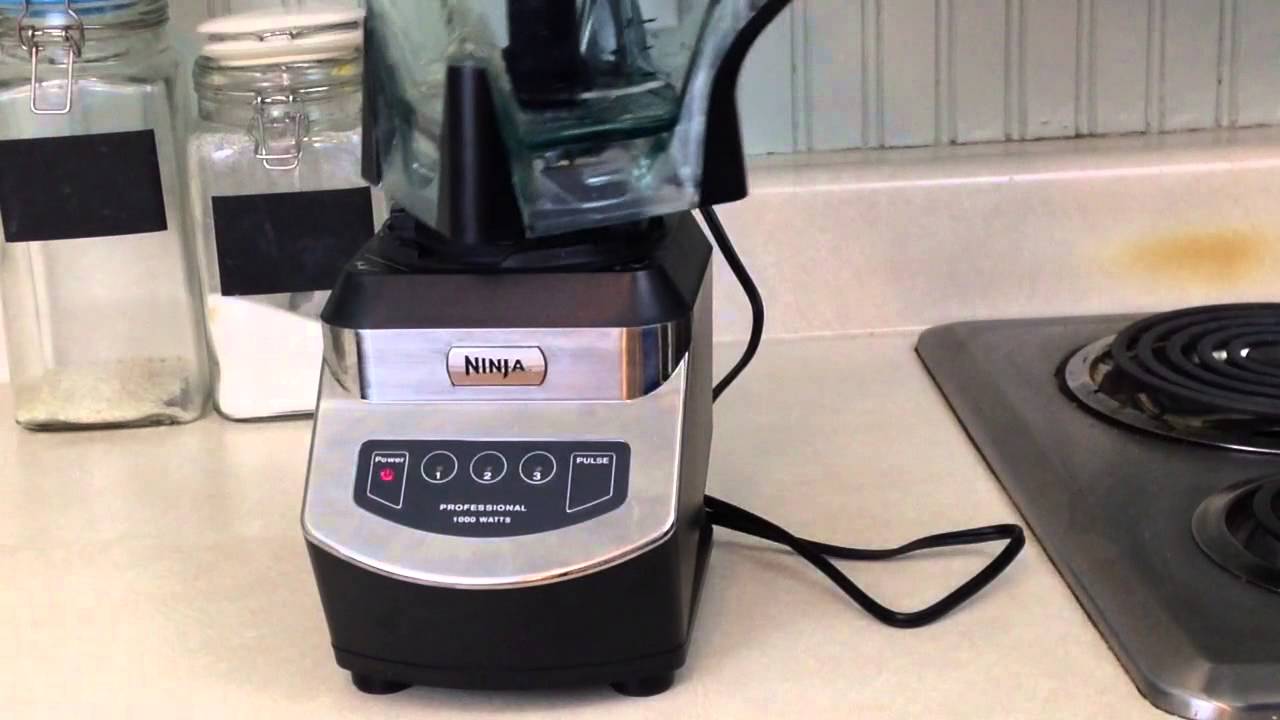
Different blinking patterns can signal different issues. Here’s a quick reference guide:
| Blinking Pattern | Possible Meaning | What to Do |
|---|---|---|
| Slow, steady blinking | Lid or pitcher not locked | Check and reassemble |
| Fast blinking | Overload or jammed motor | Remove some food, unplug to reset |
| Blinking after blending stops | Motor overheated | Let cool for 15–30 minutes |
| Blinking with burning smell | Electrical fault | Unplug, call support |
Reading these signals helps you know if it’s a simple fix or time to call for help.
Advanced Troubleshooting Tips
If you’ve tried every basic fix and the power button still blinks, consider these advanced steps:
- Test with a different pitcher or lid (if available).
- Check the base for bent or missing sensor pins.
- Try the blender in a different room to rule out outlet problems.
- Inspect the power cord for damage.
If you’re comfortable, you can gently clean sensor areas with a cotton swab and rubbing alcohol. But if your blender is still under warranty, contact Ninja before opening any parts.
What To Do If Your Blender Is Out Of Warranty
If your Ninja blender is older and no longer covered by warranty, you still have options:
- Order replacement lids or pitchers from Ninja’s website.
- Find a local appliance repair shop.
- Look for deals on refurbished blenders.
Blenders often last for years with good care, but sometimes it’s smarter to upgrade than repair.
Frequently Asked Questions
Why Does My Ninja Blender Power Button Blink Even When Nothing Is On The Base?
If the power button blinks with no pitcher or lid attached, there may be a stuck sensor or a fault in the base. Try unplugging the blender for 30 minutes and plugging it back in. If the problem remains, contact Ninja support.
Can I Use My Blender If The Power Button Keeps Blinking?
No, you should not use the blender while the power button blinks. This is a safety warning. Forcing the blender can damage the motor or cause injury. Fix the underlying issue before blending.
Does A Blinking Power Button Mean My Blender Is Broken?
Not always. In most cases, it simply means something is not assembled correctly, or there’s an overload. Follow the troubleshooting steps above. Only consider your blender broken if none of the solutions work.
How Do I Reset My Ninja Blender After The Power Button Blinks?
Unplug the blender from the wall. Wait 15–30 minutes. This lets the motor cool and resets the safety system. Plug it back in and try again. If it still blinks, check for misaligned parts or overload.
Where Can I Find The Manual For My Ninja Blender?
You can download the manual for your specific model from the official Ninja Kitchen support page. This will give you details about blinking lights and troubleshooting for your blender.
Conclusion
No one likes to be stopped by a blinking power button when you want a smoothie. But in most cases, the fix is simple—check your assembly, clean the parts, and follow the steps above. If all else fails, Ninja support can help.
With a little care, your blender will be back to work in no time.