
Blinking is something we all do, every day, thousands of times, often without noticing. When you think about it, blinking is both simple and mysterious. Can you control your blinking, or does it just happen automatically? This question—*is blinking voluntary or involuntary*—touches on biology, psychology, and even daily life.
Understanding how and why we blink can tell us a lot about our bodies, our brains, and even our emotions.
In this article, we’ll explore the science behind blinking. We’ll discuss how blinking works, the difference between voluntary and involuntary actions, and what makes blinking special. You’ll learn how blinking changes in different situations, and how it relates to health, communication, and technology.
By the end, you’ll see blinking in a whole new light.
What Is Blinking?
Blinking is the rapid closing and opening of the eyelids. It seems simple, but it’s actually a complex process involving muscles, nerves, and the brain. The main purpose of blinking is to protect and clean the eyes. Each blink spreads tears over the surface of the eye, keeping it moist and removing tiny particles.
Key Roles Of Blinking
- Lubrication: Tears keep the eyes from drying out.
- Protection: Blinking shields the eyes from dust, wind, and bright light.
- Cleaning: Each blink helps remove small debris from the eye surface.
- Communication: Sometimes, blinking is used to signal or communicate feelings.
While these roles may seem basic, they are essential for healthy vision. People who cannot blink normally often suffer from dry eyes, irritation, or more serious eye problems.
Voluntary Vs. Involuntary Actions
Before we look at blinking itself, it’s helpful to understand the difference between voluntary and involuntary actions.
- Voluntary actions are those you choose to do, like raising your hand or closing your eyes on purpose. These actions are controlled by the somatic nervous system.
- Involuntary actions happen automatically, without your conscious control. Examples include your heart beating, breathing (most of the time), or your stomach digesting food. These are managed by the autonomic nervous system.
Some actions can be both voluntary and involuntary, depending on the situation. For example, you can control your breathing if you want, but usually, it just happens.
Is Blinking Voluntary, Involuntary, Or Both?
Blinking is unique because it is both voluntary and involuntary. Most of the time, blinking happens automatically. But you can also blink on purpose if you try. Let’s break down both types.
Involuntary Blinking
For most people, blinking is involuntary. This means it happens without you thinking about it. The brain has special areas that control this automatic blinking. On average, a person blinks about 15 to 20 times per minute, or about 1,200 times per hour. Over a day, that adds up to over 15,000 blinks.
Involuntary blinking is controlled by a part of the brain called the pons, which is located in the brainstem. This area sends signals to the muscles around the eye (the orbicularis oculi), causing them to contract and close the eyelid.
Why Does Involuntary Blinking Happen?
- Moisture: To keep the eyes wet and comfortable.
- Protection: To react quickly to danger (for example, something flying toward your face).
- Fatigue: Blinking rate can increase when you’re tired.
Voluntary Blinking
You can also blink whenever you want. For example, you might blink on purpose to:
- Clear your vision after staring at a screen.
- Give a secret signal to someone.
- Protect your eyes from sudden bright light.
Voluntary blinking uses the same muscles as involuntary blinking, but the signal comes from a different area of the brain—the motor cortex. This is the area responsible for conscious movement.
Reflex Blinking
There’s also a third type: reflex blinking. This is an automatic, fast blink triggered by something touching the eye, a sudden bright light, or a loud noise. Reflex blinks are the fastest type and are part of the body’s protective system.
Comparing Types Of Blinking
Here’s a simple comparison:
| Type of Blinking | Control | Trigger | Brain Area |
|---|---|---|---|
| Involuntary | Automatic | Regular need (moisture, fatigue) | Pons (brainstem) |
| Voluntary | Conscious | Choice, intention | Motor cortex |
| Reflex | Automatic | Touch, bright light, loud sound | Brainstem, sensory pathways |
This table shows that blinking isn’t just one kind of action; it involves several brain areas and can be controlled in different ways.
The Science Behind Blinking
Blinking might seem simple, but scientists have studied it for years. It involves a network of muscles, nerves, and brain signals. Let’s look at how it works.
The Muscles Involved
The main muscle responsible for blinking is the orbicularis oculi. This muscle circles the eye and contracts to close the eyelid. There’s also a muscle that helps open the eyelid, called the levator palpebrae superioris.
The Nervous System
Blinking is controlled by both the central nervous system (the brain and spinal cord) and the peripheral nervous system (nerves outside the brain). Involuntary blinking is managed by the brainstem, while voluntary blinking comes from higher brain centers.
The Blink Reflex
The blink reflex is important for protecting the eyes. If something comes near your face quickly, your eyelids close in a split second. This happens much faster than a normal blink—about 1/10th of a second.
How Fast Do We Blink?
A normal blink takes about 300 to 400 milliseconds (0.3 to 0.4 seconds). Reflex blinks are even faster. Blinking speed can change depending on your mood, your health, and what you are doing.
Blinking Patterns
The rate and pattern of blinking are not always the same. For example:
- When reading or using a computer, people blink less often—sometimes only 7 times per minute.
- When talking or under stress, the blink rate can rise to 30–40 blinks per minute.

Credit: www.researchgate.net
Why Do We Blink More Or Less Sometimes?
Blinking rate is not fixed. It changes depending on many factors.
Factors That Increase Blinking
- Fatigue: Tired eyes blink more often.
- Stress or anxiety: Nervousness can increase the blink rate.
- Dry air or wind: To keep the eyes moist.
- Eye irritation: If something is in your eye, you blink more.
Factors That Decrease Blinking
- Concentration: When reading or staring at screens, the blink rate drops.
- Certain medications: Some drugs slow down blinking.
- Neurological conditions: Diseases like Parkinson’s can reduce blinking.
Example: Computer Use
Many people experience dry eyes after long periods on a computer. This is because the blink rate drops, sometimes by half, when staring at a screen. The eyes become dry and tired because they are not being lubricated as often.
Blinking And Communication
Blinking does more than just protect the eyes; it also plays a role in social and emotional communication.
Eye Contact And Blinking
In many cultures, eye contact is important in conversation. Too much blinking can be seen as nervousness, while too little can seem unfriendly or strange. People sometimes blink more when lying, stressed, or embarrassed. Police and psychologists sometimes look at blink rate during interviews.
Nonverbal Signals
Blinking can be a subtle way to send messages. For example:
- Rapid blinking can show surprise or discomfort.
- Slow, heavy blinking can signal boredom or tiredness.
- Some people use blinking as a secret signal in games or performances.
Blinking And Health
Your blink rate and pattern can tell doctors a lot about your health.
Medical Conditions Affecting Blinking
- Blepharospasm: Involuntary, rapid blinking due to muscle spasms.
- Parkinson’s disease: Often causes a reduced blink rate, leading to dry eyes.
- Bell’s palsy: Affects the facial muscles, making blinking difficult.
- Dry eye syndrome: People may blink more to keep eyes comfortable.
Eye Health And Blinking
Not blinking enough can cause:
- Dryness
- Redness
- Blurred vision
- Eye strain
People who wear contact lenses or spend lots of time on screens should be aware of their blink rate.
Blinking As A Diagnostic Tool
Doctors sometimes measure blink rate to help diagnose neurological diseases or mental health conditions. For example, a very low blink rate can be an early sign of Parkinson’s.
Blinking In Animals Vs. Humans
Humans aren’t the only creatures that blink. Many animals also blink, but the reasons and patterns can be different.
Comparison Table: Human Vs. Animal Blinking
| Species | Blink Rate (per minute) | Main Purpose | Special Features |
|---|---|---|---|
| Humans | 15–20 | Lubrication, protection, communication | Can blink voluntarily and involuntarily |
| Cats | 1–2 | Protection, cleaning | Slow “cat blink” signals trust |
| Horses | 6–12 | Lubrication | Cannot blink voluntarily |
| Birds | Varies | Cleaning, protection | Have a third eyelid (nictitating membrane) |
This comparison shows that while the basic need for blinking is similar, the way different species blink can be quite different.

Credit: www.researchgate.net
Blinking And Technology
In the modern world, blinking has become important in technology and research.
Eye-tracking Devices
Some computers and communication aids use eye-tracking and blink detection. For example, people who cannot speak or move can use blinking to control a computer or signal messages.
Virtual Reality And Gaming
Virtual reality headsets must account for blinking to avoid eye strain and discomfort. Game designers sometimes use blinking as a way for characters to express emotion.
Medical Technology
Doctors and researchers use cameras to study blinking patterns. This helps them understand diseases and test new treatments.
Surprising Facts About Blinking
Many people don’t realize just how important or interesting blinking is. Here are some less obvious insights:
- You spend about 10% of your waking hours with your eyes closed—just from blinking.
- Blinking helps refresh your brain. Studies show that people often blink at the end of a sentence when reading, or at a natural pause in conversation. The brain uses these quick breaks to process information.
- Blinking changes with age. Babies blink only 2–5 times per minute, while adults blink much more often.
- Blinking can be trained. Some people, like actors or pilots, learn to control their blinking for special tasks.
- Blinking is linked to dopamine. Diseases that affect dopamine, like Parkinson’s, also affect blinking rate.
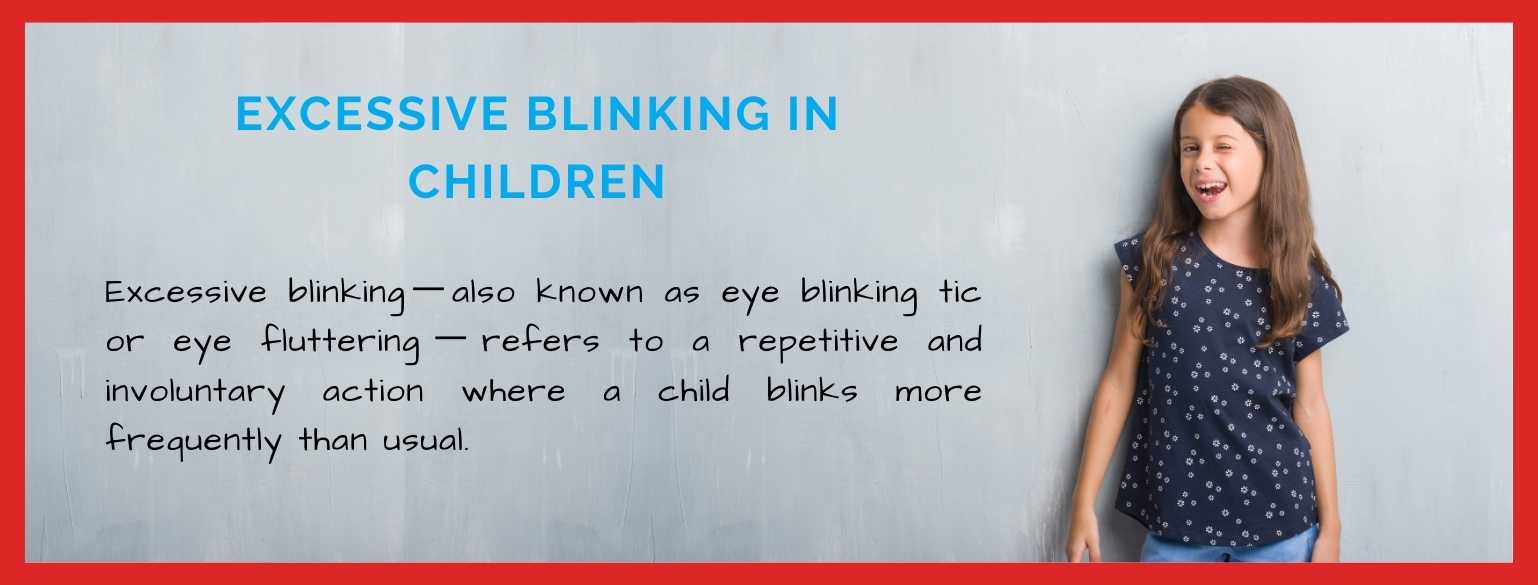
Credit: kideyedoc.com
How To Keep Your Eyes Healthy
Since blinking is so important, there are ways to make sure you’re blinking enough, especially when using screens.
Tips For Healthy Blinking
- Take breaks: Every 20 minutes, look away from your screen for 20 seconds.
- Conscious blinking: Remind yourself to blink when reading or watching TV.
- Use eye drops: If you have dry eyes, lubricating drops can help.
- Adjust your environment: Use a humidifier to keep the air moist.
People who wear contact lenses should pay extra attention, as lenses can make eyes dry and uncomfortable if you don’t blink enough.
Myths And Misunderstandings About Blinking
There are several common myths about blinking:
- Myth: Blinking too much is always bad. In reality, blinking can increase for many harmless reasons, like tiredness or stress.
- Myth: You can’t control your blinking. While most blinks are automatic, you can learn to control or signal with your blinks.
- Myth: If you don’t blink, nothing happens. Not blinking enough can quickly lead to discomfort and even damage to your eyes.
Understanding these facts can help you pay more attention to your own blinking habits.
Frequently Asked Questions
What Causes Someone To Blink More Than Usual?
Many things can increase your blink rate. Fatigue, stress, dry air, or eye irritation are common reasons. Sometimes, medical conditions like allergies or eye infections can cause extra blinking. If you notice a sudden, large increase in blinking, it’s a good idea to see an eye doctor.
Can You Train Yourself To Blink Less Or More?
Yes, with practice and awareness, you can control your blink rate to some extent. Actors, athletes, and people who use eye-controlled devices often practice controlling their blinking. However, for most people, trying to control blinking all the time is tiring and not necessary.
Is Blinking Linked To Lying Or Nervousness?
Blink rate can change with emotions. Some studies show people may blink more when nervous, stressed, or lying. However, blink rate alone is not a reliable way to detect lying, as many factors can affect how often someone blinks.
Can You Damage Your Eyes By Not Blinking Enough?
Yes, not blinking enough can lead to dry eyes, irritation, and blurred vision. People who stare at screens for long periods are at risk. It’s important to take breaks and remind yourself to blink.
How Is Blinking Studied In Science?
Scientists study blinking using high-speed cameras, eye-tracking devices, and brain imaging. These tools help them understand how blinking is controlled and how it changes with health, age, or environment. You can read more about scientific studies on blinking at Wikipedia.
Blinking is a fascinating, vital part of our lives. Whether it happens automatically or by choice, it keeps our eyes healthy and helps us connect with others. Next time you blink, remember: it’s more than just a simple movement—it’s a sign of how amazing your body is.