
If you drive a Toyota Prius, you probably appreciate its reliability and efficiency. But there’s one thing that can catch any Prius owner off guard: the tire pressure light blinking on your dashboard. At first, it might seem like a small issue, but ignoring it can lead to serious safety risks and even costly repairs. Understanding what this blinking light means, why it happens, and how to fix it can save you time and worry. Let’s dig into the details so you’ll know exactly what to do if your Prius tire pressure warning light starts blinking.
What Does The Prius Tire Pressure Light Blinking Mean?
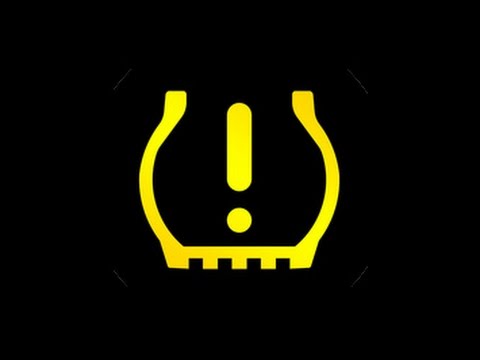
The Prius uses a Tire Pressure Monitoring System (TPMS). Its main job is to alert you when one or more tires are under-inflated. When the TPMS warning light is solid, it usually means one of your tires has low air pressure. But when the light is blinking, it’s a sign of a different problem—most likely with the system itself.
A blinking tire pressure light does not usually mean you just need air in your tires. Instead, it usually points to a malfunction in the TPMS system. This could be an issue with a sensor, the system’s computer, or even interference from other electronics.
Common Causes Of A Blinking Tire Pressure Light
Several issues can cause your Prius tire pressure light to blink instead of staying solid. Some are simple, while others are more technical.
- Faulty TPMS Sensor: Each tire has its own sensor. If a sensor battery dies or the sensor is damaged, the system can’t read the pressure correctly.
- Sensor Battery Depletion: These batteries usually last 5-10 years. As your Prius ages, sensor batteries are more likely to fail.
- Recent Tire Change or Rotation: If you’ve recently changed or rotated your tires, the system may need to relearn the position of each sensor.
- Interference: Electronic devices nearby, like power tools or wireless security systems, can sometimes interfere with the TPMS signal.
- Control Module Failure: The system’s main computer may develop a fault, though this is less common.
- Aftermarket Wheels or Sensors: Non-original parts can sometimes confuse the system or aren’t compatible.
Here’s a comparison of solid vs. blinking tire pressure lights:
| Light Type | Meaning | Common Causes |
|---|---|---|
| Solid | Low tire pressure | Puncture, slow leak, temperature change |
| Blinking | TPMS malfunction | Sensor failure, battery depletion, interference |
Is It Safe To Drive With A Blinking Tire Pressure Light?
It can be tempting to keep driving when the light is blinking, but this is not always a good idea. While your tires may still have the correct pressure, you won’t know if a new problem occurs. The system is not watching for under-inflation, so you could miss a dangerous tire issue.
Driving Risks:
- Missing a flat or low tire: You might not notice a slow leak or puncture.
- Poor fuel economy: Low tire pressure means higher rolling resistance.
- Tire wear: Incorrect pressure causes uneven tread wear, shortening tire life.
- Handling problems: Low pressure reduces control, especially in wet or icy conditions.
If you need to drive, check all tire pressures manually before each trip until the light is fixed. But for safety, get the system checked as soon as possible.
How To Check And Adjust Tire Pressure On A Prius
Even if the blinking light means a system fault, you should always check your tire pressure manually first. Here’s how to do it right:
- Find the correct pressure: Check the sticker inside the driver’s door. Most Prius models recommend 35-36 psi (pounds per square inch) for front and rear tires.
- Use a reliable gauge: Digital gauges are more accurate than the ones at gas stations.
- Check tires when cold: Tire pressure rises as you drive, so check before you travel.
- Add or release air: Inflate or deflate as needed to reach the recommended psi.
- Don’t forget the spare: Some Prius models have a full-size spare with its own sensor.
Here’s a quick reference for typical Prius tire pressures:
| Model Year | Front Tires (psi) | Rear Tires (psi) |
|---|---|---|
| 2010–2015 | 35 | 33 |
| 2016–2022 | 36 | 35 |
| 2023–present | 36 | 36 |
Credit: www.youtube.com
How To Reset The Prius Tire Pressure Light
Sometimes, after correcting tire pressures or rotating tires, you’ll need to reset the TPMS. Here’s how to do it on most Prius models:
- Turn the car to “On” (not Ready).
- Find the “Set” or “TPMS” button—usually under the steering column or near the dashboard.
- Hold the button until the light blinks several times and then turns off.
- Wait a few minutes. If the light stays off, you’re set. If it blinks again, the problem isn’t fixed.
If you recently changed or rotated tires, the system may need to relearn the sensor positions. Some newer models do this automatically, but older models may need manual resets or even a visit to the dealer.
Diagnosing And Fixing A Blinking Tire Pressure Light
If the basic reset doesn’t work, it’s time to dig deeper. Here’s a step-by-step approach to finding and fixing the problem:
Step 1: Manual Tire Pressure Check
Even with a blinking light, confirm all tires—including the spare—are at the correct pressure. Sometimes a slow leak causes both low pressure and a sensor alert.
Step 2: Visual Inspection
Check for visible damage to tires or valve stems. If you notice any cracks, punctures, or worn valves, get them fixed right away.
Step 3: Sensor Check
If you have access to a TPMS scan tool (many tire shops do), you can read each sensor’s battery life and signal strength. Sensors with dead batteries need replacing.
Step 4: Check For Interference
Think about any new electronics or devices near your car. Garage door openers, wireless routers, and even some dash cams can cause interference. If moving these devices helps, you’ve found the culprit.
Step 5: Professional Diagnosis
If you can’t find the cause, a Toyota dealer or qualified mechanic can scan the TPMS system for fault codes. This identifies exactly which sensor or module is causing trouble.
Step 6: Sensor Replacement
If a sensor is dead, it must be replaced. Most sensors cost $50–$150 plus labor. After replacement, the system needs to be reset or reprogrammed.
Here’s a comparison of DIY vs. Professional TPMS repair:
| Method | Cost | Time | Success Rate |
|---|---|---|---|
| DIY reset/pressure check | Low (free–$10) | 10–30 min | High if no system fault |
| Professional diagnosis | $50–$200 | 1–2 hours | Very high |
| Sensor replacement | $70–$250 per sensor | 30–60 min per sensor | Nearly 100% |

Credit: www.toyotaofnorthcharlotte.com
Preventing Future Tire Pressure Light Issues
You can reduce the chances of seeing the blinking light again by following these simple tips:
- Check tire pressure monthly: Don’t wait for the light—manual checks catch problems early.
- Replace old sensors proactively: If your Prius is over 6 years old, consider replacing sensors before they fail.
- Use compatible parts: Only use TPMS-compatible tires and wheels.
- Avoid electronic interference: Keep high-powered electronics away from your car’s parking area.
- Schedule regular tire service: Rotations and inspections help spot issues before they cause warning lights.
Non-obvious Insights Most Prius Owners Miss
Many drivers assume the blinking tire pressure light is only about air in the tires. In reality, the TPMS sensors have a limited battery life and often fail after 6-10 years, especially in climates with extreme temperatures. Replacing all sensors at once during a tire change can save labor and money compared to doing them one by one.
Another common oversight is forgetting the spare tire sensor. Some Prius models include a sensor in the spare. If the spare’s pressure is low or its sensor fails, the whole system may blink. Always include the spare in your checks.
When To Seek Professional Help
While basic checks and resets are DIY-friendly, some situations require expert help:
- The light keeps blinking after manual resets and pressure checks.
- You suspect sensor or system module failure.
- There are error codes you can’t clear.
Dealerships and tire shops have specialized TPMS tools that most drivers don’t own. They can pinpoint which sensor is bad and perform advanced reprogramming if needed. This not only saves time but also ensures your safety.
Prius Tire Pressure Light And Seasonal Changes
It’s normal for tire pressure to drop about 1 psi for every 10°F drop in temperature. In winter, this can cause the TPMS to turn on more frequently. However, the blinking light signals a system issue, not just temperature change.
If the light blinks after a cold snap, check pressures and try a reset—if the problem remains, it’s likely a sensor or system fault.
Prius Tire Pressure Light And Aftermarket Accessories
If you’ve upgraded to aftermarket wheels or added sensors, compatibility is key. Prius TPMS systems are sensitive to sensor types and frequencies. Using non-compatible parts often leads to blinking lights and system errors. Always confirm with your supplier or mechanic that your wheels and sensors work with your Prius model.
The Cost Of Ignoring The Blinking Tire Pressure Light
Ignoring a blinking TPMS light is risky. Besides safety, it can lead to:
- Tire blowouts: You might miss a slow leak or flat.
- Wasted fuel: Under-inflated tires can cost you an extra 1–2 mpg.
- Higher repair bills: Damaged tires and sensors are more expensive to fix than a simple reset.
Taking action early keeps you safe and saves money.

Credit: www.samlemantoyotabloomington.com
Frequently Asked Questions
Why Does My Prius Tire Pressure Light Blink After Changing Tires?
After a tire change or rotation, the system may need to relearn sensor positions. If the sensors were not properly reset or reprogrammed, the TPMS light can blink. Ask your tire shop to perform a TPMS relearn if you notice this problem.
How Long Do Prius Tire Pressure Sensors Last?
Most TPMS sensors last between 6 and 10 years. Battery failure is the most common reason for a blinking tire pressure light in older Prius models. If your car is in this age range, consider replacing all sensors together during your next tire service.
Can I Use Regular Air Instead Of Nitrogen In My Prius Tires?
Yes, you can use regular air. Nitrogen offers some benefits, like slower pressure loss, but the TPMS system works with either. Always maintain the manufacturer’s recommended pressure, no matter which you use.
Will Disconnecting The Battery Reset The Tpms?
Disconnecting the 12V battery may temporarily clear the TPMS warning, but it won’t fix the underlying issue. The system will relearn the fault and the light will blink again if the problem is not solved.
Where Can I Learn More About Tpms Technology?
You can find a detailed explanation on the Wikipedia page for Tire Pressure Monitoring Systems.
A blinking Prius tire pressure light is more than just an annoyance—it’s a sign your car needs attention. By understanding what the warning means, how to diagnose it, and when to get help, you’ll keep your Prius safe and running smoothly for years to come.
Remember, a few minutes of maintenance now can prevent big problems on the road ahead.