
A sore eyelid when blinking can be an uncomfortable experience. Many people notice pain, pressure, or irritation in or around their eyelid, especially when they open and close their eyes. Sometimes the pain is mild and goes away after a few hours, but in other cases, it can last for days and even interfere with daily life.
Understanding why your eyelid hurts, what causes it, and how to treat it can make a big difference. This article explains the reasons for a sore eyelid when blinking, how to recognize serious symptoms, and what you can do to relieve the pain.
What Does A Sore Eyelid When Blinking Feel Like?
The sensation of a sore eyelid varies from person to person. For some, it is a mild discomfort, like something is stuck in the eye. For others, it may feel like a sharp pain or a burning sensation. The soreness can be on the upper eyelid, lower eyelid, or both. Some people notice redness, swelling, or even a small bump. The pain usually gets worse when you blink, rub your eyes, or touch the eyelid.
It’s important to know that blinking spreads tears over your eye to keep it moist. If your eyelid is sore, blinking can irritate it further. Sometimes, the pain is only present in one eye, but it can also affect both eyes.
Common Causes Of Sore Eyelid When Blinking
Many different problems can make your eyelid hurt when you blink. Here are the most common reasons:
1. Stye (hordeolum)
A stye is a red, painful bump that forms on the edge of your eyelid. It happens when an oil gland or hair follicle gets infected, usually by bacteria. Styes can make your eyelid tender, swollen, and sore, especially when blinking. They often look like a pimple and may contain pus.
Key facts:
- Styes are common in children and adults.
- Most heal on their own within a week.
- You may see crusting or tearing in the affected eye.
2. Chalazion
A chalazion is a lump caused by a blocked oil gland. Unlike a stye, a chalazion is not usually painful, but it can cause discomfort, especially when blinking. The lump is usually on the inside of the eyelid and can get bigger over days.
How to tell the difference: A stye is usually red and painful, while a chalazion is firmer and less sore.
3. Blepharitis
Blepharitis is inflammation of the eyelids, often due to bacteria or skin conditions like dandruff. It causes redness, swelling, and soreness along the eyelid margin. Blinking may feel uncomfortable or gritty. You may notice flakes or crusts at the base of your eyelashes.
Blepharitis can be chronic, meaning it comes and goes over time. Proper eyelid hygiene is important to control symptoms.
4. Allergies
Eye allergies can cause itching, swelling, and soreness. When you blink, the swollen eyelid rubs against the eye, causing discomfort. Common triggers include pollen, dust, animal dander, and cosmetics.
Non-obvious insight: Allergies often affect both eyes and can cause watery or stringy discharge.
5. Conjunctivitis (pink Eye)
Conjunctivitis is an infection or inflammation of the clear layer covering your eye and eyelid. It can cause redness, pain, and a gritty feeling when blinking. Bacterial, viral, or allergic reactions can all cause conjunctivitis.
Practical tip: If you have yellow or green discharge, you may need prescription treatment.
6. Meibomian Gland Dysfunction
The meibomian glands produce oil that keeps your tears from drying out. If these glands get blocked, your eyelids can become sore and irritated. Blinking spreads oil across your eye, so gland problems can make blinking painful.
Data point: Meibomian gland dysfunction is a leading cause of dry eyes, affecting up to 86% of people with dry eye symptoms.
7. Injury Or Trauma
Accidentally poking your eye, rubbing it too hard, or getting hit can cause soreness and swelling. Even a small scratch can make blinking painful.
Example: Eyelid pain after removing false eyelashes or eyelash extensions is often due to minor trauma.
8. Dry Eyes
If your eyes do not produce enough tears or the quality is poor, the eyelids can become dry and irritated. This can cause pain when blinking, especially after reading or using a computer for a long time.
Non-obvious insight: Air conditioning, wind, and certain medications can worsen dry eyes.
9. Contact Lenses
Wearing contact lenses for too long or not cleaning them properly can irritate your eyelids. Poor fit or old lenses can also cause pain and soreness when blinking.
Key advice: Always follow your eye doctor’s instructions for lens care.
10. Eye Infection
Some infections, like herpes simplex or cellulitis, can cause severe eyelid pain, redness, and swelling. These are more serious and often require medical treatment.
Warning: If you notice vision changes, fever, or severe swelling, see a doctor right away.
Less Common Causes
Sometimes, a sore eyelid when blinking is due to less obvious reasons:
- Blocked tear duct: Causes pain and swelling in the inner corner of the eye.
- Autoimmune diseases: Conditions like lupus or rheumatoid arthritis can cause inflammation in the eyelids.
- Orbital cellulitis: A deep infection behind the eyelid, usually with fever and severe pain.
- Eyelid tumors: Rare, but a lump or sore that does not heal should be checked by a doctor.
Comparing Common Eyelid Problems
To help you spot the difference between common eyelid conditions, see the comparison below.
| Condition | Pain Level | Swelling | Redness | Discharge | Contagious |
|---|---|---|---|---|---|
| Stye | Moderate to High | Yes | Yes | Possible | No |
| Chalazion | Low | Yes | Sometimes | No | No |
| Blepharitis | Mild to Moderate | Some | Yes | Yes | No |
| Conjunctivitis | Mild | Some | Yes | Yes | Yes (infections) |
When To Worry: Warning Signs
Most sore eyelids get better with simple care. But sometimes, they are a sign of a serious problem. See a doctor if you have:
- Sudden vision changes or vision loss
- Severe pain that does not improve
- Swelling spreading to the cheek or forehead
- Fever or feeling very sick
- Unable to open your eye
- Blisters or a rash on your eyelid
- Non-healing sore or lump that grows over weeks
Non-obvious insight: If you wear contact lenses, stop using them until your symptoms go away. Contacts can make infections worse.
Diagnosing The Cause
To find the reason for a sore eyelid, doctors usually:
- Ask about your symptoms: When did it start? Is it one or both eyes? Any discharge or vision changes?
- Examine your eye and eyelid: Using a light and magnifier, they look for swelling, redness, or lumps.
- Take a swab: If there is discharge, a sample may be tested for bacteria or viruses.
- Check your vision: To rule out other problems.
- Ask about allergies or medical history: Skin conditions, autoimmune diseases, or recent eye trauma.
In rare cases, imaging tests like an ultrasound or CT scan may be needed if a deep infection or tumor is suspected.
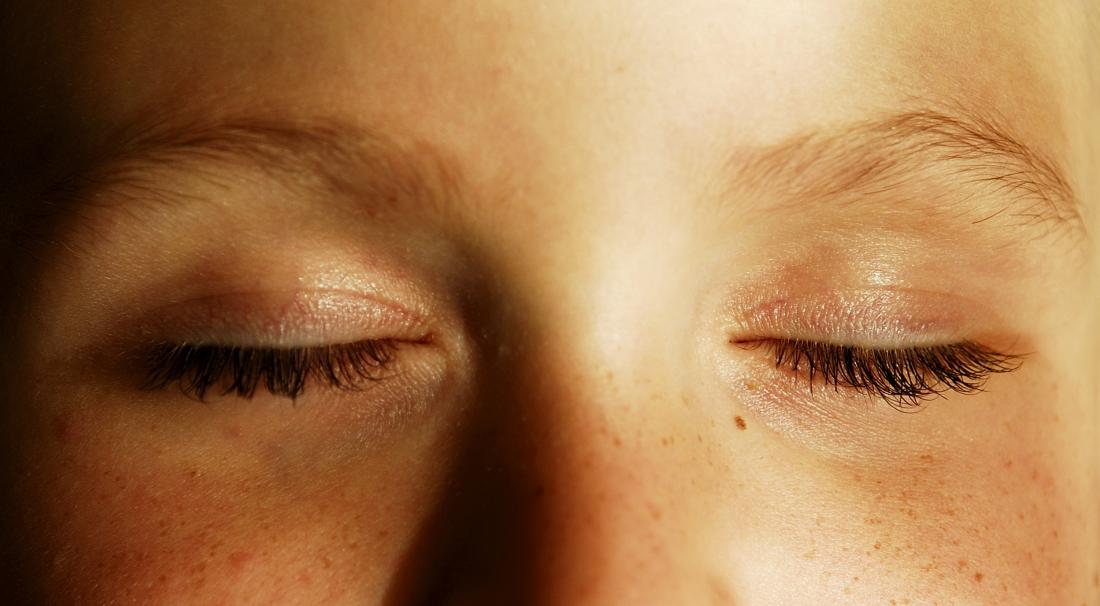
Credit: www.medicalnewstoday.com
Treatment Options For Sore Eyelid When Blinking
Treatment depends on the cause. Here are the main approaches:
Home Remedies
Most mild eyelid soreness improves with simple care at home:
- Warm compresses: Place a clean, warm cloth over your closed eyelid for 5-10 minutes, 3-4 times daily. This helps open blocked glands and reduces pain.
- Gentle cleaning: Use a cotton pad and diluted baby shampoo or special eyelid cleanser to clean the eyelid margin.
- Avoid makeup and contact lenses: Stop using these until your eye heals.
- Do not squeeze or pop: Never try to pop a stye or chalazion. This can spread infection.
Example: For a stye, warm compresses often speed up healing within a week.
Medications
If home care does not work, or if there are signs of infection, a doctor may recommend:
- Antibiotic ointments or drops: For bacterial infections or styes.
- Steroid creams: To reduce inflammation (used carefully and only as prescribed).
- Oral antibiotics: For more severe or spreading infections.
- Antiviral medications: For herpes eye infections.
Allergy Treatments
If allergies are the cause, treatment may include:
- Antihistamine eye drops or tablets
- Avoiding known triggers
- Using artificial tears to flush out allergens
Non-obvious insight: Preservative-free eye drops reduce irritation, especially if you need drops often.
Advanced Procedures
If a chalazion, stye, or lump does not get better, your doctor might suggest:
- Incision and drainage: A small cut to release the pus or fluid.
- Steroid injection: To reduce swelling of a chalazion.
- Surgery: Rarely needed, but considered if a lump does not heal or if a tumor is suspected.
Treating Dry Eyes
If dry eyes are the problem:
- Use artificial tears several times a day.
- Apply warm compresses to improve oil flow.
- Take breaks from screens and blink often.
- Humidify your environment to reduce dryness.
Data: Studies show that regular use of artificial tears can reduce dry eye symptoms by up to 60%.
Comparing Home Vs. Medical Treatments
Here’s a summary of when home remedies are enough and when you need medical help.
| Situation | Home Remedies | See a Doctor |
|---|---|---|
| Mild soreness, no vision change | Yes | No |
| Redness, mild swelling | Yes | Maybe (if no improvement in 3 days) |
| Severe pain, vision loss | No | Yes |
| Discharge, fever, spreading redness | No | Yes |
| Recurring styes or lumps | Maybe | Yes |
Prevention Tips
You can lower your risk of eyelid soreness by following these simple tips:
- Wash your hands often and avoid touching your eyes.
- Remove eye makeup every night before sleeping.
- Clean your eyelids gently if you have a history of blepharitis.
- Change pillowcases and towels often to reduce bacteria.
- Do not share eye makeup or contact lenses.
- Replace eye makeup every 3-6 months.
- Wear protective eyewear during sports or risky activities.
- Take breaks from screens to avoid dry eyes.
Practical advice: If you have allergies, keep windows closed during pollen season and use air filters in your home.
Myths And Misunderstandings
Many people believe myths about sore eyelids. Here are a few common ones:
- Myth: Styes are caused by poor hygiene only.
- Reality: Styes are caused by bacteria, but even clean people can get them. Stress, hormones, and blocked glands play a role.
- Myth: All sore eyelids need antibiotics.
- Reality: Most do not. Many heal with warm compresses and cleaning.
- Myth: You should pop a stye to speed healing.
- Reality: Popping increases the risk of spreading infection and scarring.
- Myth: Sore eyelids are always minor.
- Reality: Sometimes, they are a sign of serious infection or disease.

Credit: www.medicalnewstoday.com
Living With Sensitive Eyelids
If you often have eyelid pain, it can help to:
- Use hypoallergenic makeup and skincare
- Choose preservative-free eye drops
- Practice good eyelid hygiene
- See an eye doctor yearly for checkups
Some people find that stress, lack of sleep, or diet can trigger eyelid problems. Keeping a symptom diary may help you find patterns.
Eyelid Pain In Children
Children can get sore eyelids, usually from styes, allergies, or rubbing their eyes. Parents should:
- Teach kids to wash their hands before touching their face
- Avoid sharing towels or pillows
- See a doctor if eyelid swelling is severe or if there is fever
Tip: Children often touch their eyes when tired or upset, which increases the risk of infection.
When To See A Specialist
Most eyelid problems are managed by a family doctor. But you may need an eye specialist (ophthalmologist) if:
- Symptoms last more than two weeks
- You have frequent styes or lumps
- Vision changes or eye pressure occurs
- There is a history of cancer, autoimmune disease, or trauma
Specialists can use advanced imaging and treatments for complex cases.
Sore Eyelid: The Impact On Daily Life
A sore eyelid can make daily tasks harder. You might find it difficult to read, drive, or work on a computer. Light sensitivity, watering, and irritation can lower your quality of life. If you need to be outside, sunglasses can help reduce discomfort.
Missing work or school is rare but possible if the pain is severe. Always let your boss or teacher know if you need medical time off.
Statistics On Eyelid Disorders
- Styes affect about 5% of people each year.
- Blepharitis is one of the most common eye problems, affecting up to 37% of adults.
- Dry eye disease affects an estimated 16 million Americans.
- Allergic conjunctivitis is more common in spring and summer and affects 15-20% of the population.
These numbers show that eyelid pain is a common problem, but most cases are not serious.
Research And Resources
Eye health is a growing field of research. New treatments for dry eyes, blepharitis, and eyelid infections are being developed. For more information on eye conditions, the American Academy of Ophthalmology is a reliable source: American Academy of Ophthalmology.
:max_bytes(150000):strip_icc()/VWH-EVERGREEN-Left-Eye-Pain-Why-It-Hurts-and-How-to-Relieve-It-1-FINAL-TEXT-1-1-f39feb0d4c644f6db182c332c7e922ca.png)
Credit: www.verywellhealth.com
Frequently Asked Questions
Why Does My Eyelid Hurt Only When I Blink?
Blinking moves the eyelid over the eye’s surface. If there is swelling, infection, or irritation, the movement can cause pain. Common causes are styes, chalazion, or blepharitis.
Can A Sore Eyelid Be Contagious?
Some causes, like bacterial or viral conjunctivitis, are contagious. Styes and chalazia are not usually spread from person to person. Proper hygiene reduces the risk.
How Long Does A Sore Eyelid Take To Heal?
Most mild cases improve in 3-7 days with home care. Styes usually heal within a week. If symptoms last longer or get worse, see a doctor.
Should I Stop Wearing Contact Lenses If My Eyelid Hurts?
Yes, stop wearing contact lenses until your eyelid heals. Contacts can make irritation or infection worse and slow healing.
What Home Remedies Really Work For A Sore Eyelid?
Warm compresses and gentle cleaning are the best home remedies. Avoid makeup, do not rub or squeeze the eyelid, and use artificial tears if your eyes are dry.
A sore eyelid when blinking is usually not a cause for alarm, but it can be uncomfortable. By understanding the common causes, taking care of your eyelids, and knowing when to seek help, you can protect your eye health and find relief quickly.
If you ever feel unsure or your symptoms worsen, reach out to an eye care professional for guidance.