
When you see the VW coolant light blinking on your dashboard, it can feel stressful and confusing. Many drivers wonder if their car is safe to drive or if the problem is urgent. The coolant light is a warning that something is wrong with the cooling system, which protects your engine from overheating. Ignoring this light can lead to expensive repairs, engine damage, or even complete breakdowns. This guide will help you understand why the coolant light blinks, what you should do, and how to prevent future issues.
What Does The Vw Coolant Light Mean?
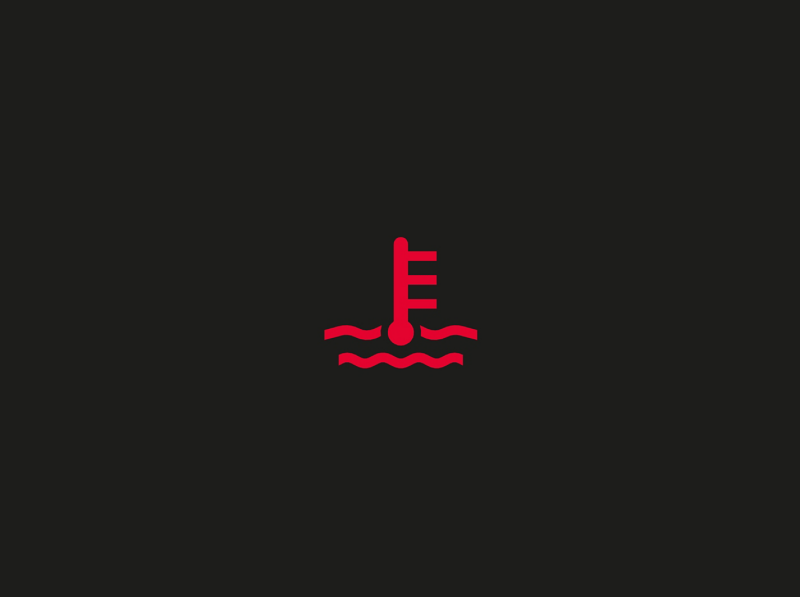
The coolant warning light in Volkswagen vehicles is usually blue or red. It flashes to alert you to problems with the coolant system. Coolant is a special liquid that keeps your engine at the right temperature. If the light blinks, it means the system needs attention. Sometimes the light turns on when the engine is cold, but if it keeps blinking or turns red, it’s a sign of trouble.
For most VW models, a blinking coolant light can signal:
- Low coolant level
- Coolant temperature too high
- Sensor or wiring issues
- Coolant leaks
Understanding these signals can save you from bigger problems later.
Common Reasons For Coolant Light Blinking
Several things can trigger the coolant warning light. Knowing the main causes helps you act quickly.
- Low Coolant Level: This is the most frequent cause. If the coolant tank is below the minimum mark, the sensor triggers the light. This can happen after a leak or if you haven’t topped up the coolant in a long time.
- Coolant Leak: Coolant can escape through cracks in hoses, the radiator, or the water pump. Over time, even small leaks become serious.
- Faulty Coolant Sensor: The sensor inside the coolant tank measures the level and temperature. If it stops working or wiring is damaged, the light might blink even if coolant levels are fine.
- Overheating Engine: When the engine temperature rises above safe limits, the light blinks to warn you. This could be caused by blocked radiator, broken thermostat, or failed water pump.
- Incorrect Coolant Mixture: VW recommends special coolant types and ratios. Using the wrong product or mixing with water incorrectly can affect cooling efficiency.
- Air in the Cooling System: Air pockets can prevent proper coolant flow, causing hot spots and triggering the warning.
- Radiator Cap Issues: A loose or faulty cap can let coolant escape and let air into the system.
- Recent Service or Repairs: Sometimes, after maintenance, mechanics forget to refill coolant or bleed air out, causing the light to blink.

Credit: www.youtube.com
What Should You Do When The Coolant Light Blinks?
When the VW coolant light blinking appears, follow these steps for safety:
- Stop the Car Safely: Pull over as soon as possible. Turn off the engine to avoid overheating.
- Check Coolant Level: Wait until the engine cools down. Open the hood and look at the coolant reservoir. If it’s below the minimum mark, add coolant.
- Inspect for Leaks: Look for puddles under your car or wet areas around hoses and radiator. If you see a leak, do not drive until it’s fixed.
- Check the Radiator Cap: Make sure it’s tight and not damaged.
- Look for Signs of Overheating: Steam from under the hood, a sweet smell, or engine temperature gauge in the red zone means overheating.
- Restart and Observe: If you top up coolant and the light stays off, drive carefully. If the light blinks again, seek professional help.
- Do Not Ignore Persistent Blinking: Continuous blinking means the issue is not solved. Driving with the light on can damage the engine.
How To Top Up Vw Coolant Safely
Adding coolant is simple, but you must follow safety steps.
- Park and Let the Engine Cool: Never open the coolant cap while the engine is hot. It can cause burns.
- Locate the Coolant Tank: Usually a translucent plastic container near the radiator.
- Check the Level: The tank has “min” and “max” marks. If below “min,” you need to add coolant.
- Choose the Right Coolant: Volkswagen uses G12 or G13 coolants. Check your manual for the correct type.
- Add Coolant Slowly: Pour until the level is between “min” and “max.” Do not overfill.
- Close the Cap Firmly: Make sure it’s tight to prevent leaks.
- Start the Engine and Check: After filling, start the car and watch the coolant light. If it blinks again, there may be another issue.
Vw Coolant Types And Compatibility
Volkswagen recommends specific coolant types for their engines. Using the wrong coolant can cause damage or trigger the warning light.
| Coolant Type | Color | Compatible VW Models | Notes |
|---|---|---|---|
| G11 | Blue/Green | Older VW (pre-1996) | Not compatible with G12/G13 |
| G12 | Purple/Red | 1996–2008 | Can mix with G12+ |
| G12+ | Pink | 2008–2012 | Longer life, compatible with G12 |
| G13 | Purple | 2012–present | Eco-friendly, backward compatible |
Always check your owner’s manual or ask a VW dealer if you are unsure.
Coolant Light Blinking Vs. Solid: What’s The Difference?
The coolant light can blink or stay solid. The meaning changes depending on the situation.
| Light Pattern | Possible Cause | Recommended Action |
|---|---|---|
| Blinking | Low coolant, sensor fault, air in system | Check coolant level, refill, check for leaks |
| Solid (Red) | Overheating, severe coolant loss | Stop immediately, call for help |
| Blue (Solid) | Engine cold | Normal, wait until engine warms up |
A blinking light means you can check and fix it yourself. A solid red light is urgent and can mean serious engine damage.

Credit: broder.app
Diagnosing Coolant System Problems
Sometimes, topping up coolant does not solve the blinking light. You may need to dig deeper.
Visual Inspection
Look for:
- Cracked hoses
- Wet spots near the radiator or under the car
- White residue (dried coolant)
- Steaming or overheating signs
Sensor Testing
Coolant sensors can fail, especially in older VW cars. If you check the coolant level and find it normal, but the light still blinks, the sensor might be faulty. Mechanics can test the sensor using diagnostic tools.
Pressure Test
A cooling system pressure test finds hidden leaks. Mechanics use a pump to pressurize the system and look for leaks.
Thermostat And Water Pump
If the engine overheats or the light blinks after driving, the thermostat or water pump could be broken. These parts control coolant flow and temperature.
Professional Diagnostic Tools
Modern VW cars have onboard diagnostics (OBD-II). Mechanics use scanners to read error codes. This pinpoints the exact cause.
Preventing Vw Coolant Light Issues
Prevention saves money and stress. Here’s how you can avoid coolant light problems:
- Regular Coolant Checks: Check the coolant level every month. Top up when needed.
- Use Recommended Coolant: Always use VW-approved coolant. Mixing types can damage the system.
- Inspect Hoses and Radiator: Look for cracks, leaks, or loose connections.
- Flush Coolant Periodically: VW recommends changing coolant every 40,000–60,000 miles.
- Service Thermostat and Water Pump: Change these parts if you notice overheating or coolant loss.
- Check Radiator Cap: Replace if damaged or loose.
- Avoid Overfilling: Overfilling can cause pressure problems.
- Professional Inspections: Get the cooling system checked during regular service.
Many drivers skip these steps and face costly repairs later.
Real-life Examples And Data
VW cooling system issues are common, especially in older models. According to a 2022 survey by CarComplaints.com, over 7% of VW owners reported coolant-related warnings within the first 5 years. The most affected models include the VW Golf, Jetta, and Passat.
A typical repair for a coolant leak costs between $150–$400. If the engine is damaged by overheating, repairs can easily reach $2,000–$5,000.
One VW owner shared: “My coolant light started blinking after a long drive. I checked the level, found it was low, and topped it up. The light stayed on. Turns out I had a small leak in the radiator hose. Fixing it cost me $200, but ignoring it could have destroyed the engine.”
How The Vw Coolant Warning System Works
Volkswagen uses sensors to monitor coolant level and temperature. The system is designed to warn drivers before serious damage occurs.
- Coolant Level Sensor: Measures liquid in the tank.
- Temperature Sensor: Measures engine temperature.
- Dashboard Light: Flashes or stays solid to alert drivers.
If the sensors detect low coolant or overheating, the light blinks. The car computer can also log error codes for mechanics.
Some newer VW models have multi-stage warnings. First, the light blinks, then turns solid if the problem gets worse. You may also hear a beep or see a message on the screen.
Coolant System Maintenance Tips
Maintaining your VW’s cooling system is easy if you follow a routine:
- Check Coolant When Engine is Cold: This gives accurate readings.
- Look for Unusual Noises: Gurgling or hissing can signal leaks or air pockets.
- Watch for Dashboard Warnings: Don’t ignore blinking lights.
- Flush Coolant Every 2–3 Years: Old coolant loses effectiveness.
- Check Under the Car for Leaks: Wet spots or colored stains mean trouble.
- Inspect Cooling Fans: Fans help keep the engine cool. If they don’t work, overheating can happen.
- Read the Owner’s Manual: It explains coolant types and maintenance schedules.
- Use Distilled Water: If you need to mix coolant, use distilled water to prevent mineral buildup.
Comparing Vw Cooling System To Other Brands
Volkswagen’s cooling systems are reliable but need careful maintenance. Here’s how VW compares to other brands:
| Brand | Coolant Light Features | Common Problems | Repair Cost Range |
|---|---|---|---|
| Volkswagen | Blinking & solid lights, sensor warnings | Sensor faults, leaks | $150–$400 |
| Toyota | Solid light, beep | Radiator leaks | $120–$350 |
| Honda | Solid light, screen message | Thermostat failure | $140–$380 |
| Ford | Blinking & solid lights | Hose cracks | $130–$370 |
Volkswagen’s multi-stage warning is more advanced than some brands, but sensors are more sensitive and prone to faults.
Credit: www.volkswagen.co.uk
Non-obvious Insights Most Drivers Miss
- Sensor Cleaning: Sometimes, the coolant sensor is dirty, not broken. Cleaning it can solve blinking light issues. Dirt builds up in the tank and affects the sensor.
- Coolant Evaporation: Even without leaks, coolant can slowly evaporate over years. Many drivers think they have a leak, but it’s just normal evaporation.
- Mixing Coolant Types: Mixing old and new coolants can cause chemical reactions, leading to blockages. Always flush the system when switching types.
- Driving Habits: Aggressive driving heats up the engine faster, increasing coolant stress. Calm driving extends coolant life.
When To Visit A Mechanic
If you notice any of these, get help:
- Light blinks even after topping up coolant
- Light turns solid red
- Visible leaks
- Overheating signs (steam, high temp gauge)
- Sweet smell from engine bay
- Engine performance drops
Waiting too long can lead to engine damage. VW engines are sensitive to temperature, so quick action is vital.
Frequently Asked Questions
Why Does The Vw Coolant Light Blink Even When The Coolant Level Is Fine?
The sensor may be faulty or dirty. Sometimes, wiring issues or air pockets in the system can cause false warnings. If cleaning the sensor and topping up coolant doesn’t help, visit a mechanic.
Can I Use Any Coolant In My Vw?
No. Volkswagen requires G12 or G13 coolant types. Using the wrong coolant can damage the engine or trigger warning lights. Always check your owner’s manual.
Is It Safe To Drive With The Coolant Light Blinking?
It’s risky. If the light blinks, check the coolant level and refill if needed. If the light stays on after topping up, or if there are leaks or overheating signs, do not drive. Seek professional help.
How Much Does A Coolant Leak Repair Cost For A Vw?
Small leaks usually cost $150–$400 to fix. If the engine is damaged from overheating, repairs can reach $2,000–$5,000. Early action saves money.
How Often Should I Check Or Change Vw Coolant?
Check coolant every month and before long trips. Change coolant every 40,000–60,000 miles or every 2–3 years. Always follow VW’s maintenance schedule.
If you have doubts or need more information, you can also check the official Volkswagen site: Volkswagen Maintenance.
—
Seeing the VW coolant light blinking is never pleasant, but understanding what it means and how to respond can prevent big problems. Regular checks, using the right coolant, and prompt action when the warning appears will keep your VW running smoothly. Don’t ignore the light, and always prioritize safety. With these tips, you can handle coolant issues confidently and avoid costly repairs.