
A blinking tire pressure light on your Toyota Camry can turn a simple drive into a confusing experience. Many drivers wonder why the light blinks instead of staying on, what it means, and how to fix it. The tire pressure monitoring system (TPMS) is designed to keep you safe by alerting you to problems with your tires. But when the warning light starts flashing, it’s often signaling something more than just low pressure. Understanding this issue can help you avoid costly repairs, improve your car’s safety, and keep your mind at ease.
Let’s dive into what causes the Toyota Camry tire pressure light blinking, what you should do, and how to prevent future problems. We’ll cover every angle, from common causes and fixes to advanced troubleshooting and helpful tips that most beginners overlook.
What Does The Blinking Tire Pressure Light Mean?
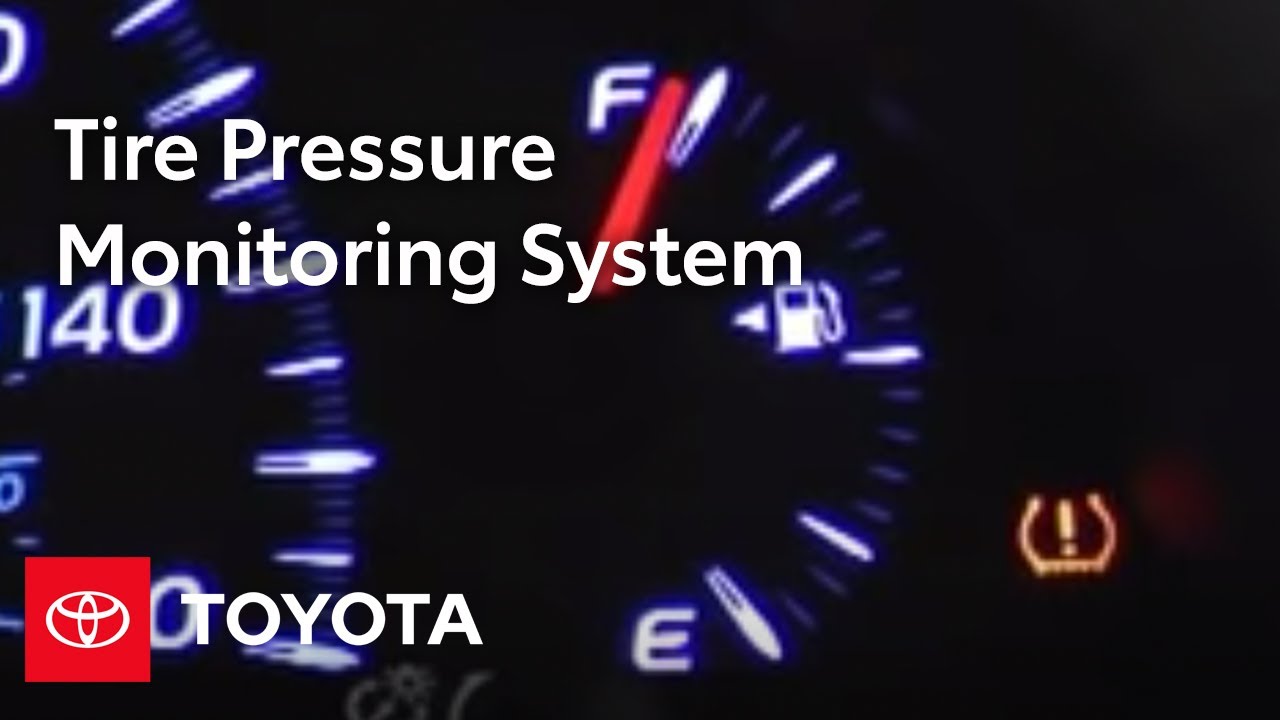
A steady tire pressure light means one or more tires are low on air. But when the light blinks, your Toyota Camry is trying to tell you something different. The blinking light is usually a sign of a system error in the TPMS, not just low tire pressure.
The blinking phase often lasts for about 60–90 seconds after starting the car. After blinking, the light may stay solid or turn off. Here’s what the blinking light can mean:
- TPMS sensor malfunction: One or more sensors in the tires may not be working correctly.
- System communication error: The car’s computer cannot read the sensor signals.
- Low battery in sensor: TPMS sensors have batteries that last 5–10 years; a dying battery causes errors.
- Incorrect sensor installation: If you recently changed tires or installed new sensors, they may not be programmed correctly.
Many Camry owners think the blinking light means a flat tire, but it’s almost always a system issue. Ignoring this warning can result in unreliable readings, leaving you unaware of real tire problems.
Toyota Camry Tpms: How It Works
The Toyota Camry uses a direct TPMS. Each wheel has a sensor inside, usually mounted on the valve stem. These sensors send pressure readings to the car’s computer. If pressure drops below a preset threshold, the light turns on. If the computer cannot read a sensor, the light blinks.
Key Features Of Camry Tpms
- Real-time monitoring: Sensors send live data to the dashboard.
- Individual tire readings: Each sensor monitors one tire.
- Automatic warnings: The system alerts you when pressure is too low or a sensor fails.
Tpms Sensor Battery Life
Most sensors last 5–10 years. After that, the battery inside dies. Unlike car batteries, TPMS sensor batteries cannot be replaced; the entire sensor must be changed.
Common Causes Of Tpms Malfunction
- Sensor battery depletion
- Physical damage to sensor
- Interference from other electronics
- Incorrect sensor programming
- Faulty TPMS receiver module
Even a small issue with one sensor can make the light blink for the whole system.
Credit: www.youtube.com
Why Is The Tire Pressure Light Blinking?
Knowing the main reasons helps you diagnose the problem quickly. Here are the most common causes:
- Dead or weak sensor battery: As sensors age, their batteries run out.
- New tires or wheels installed: If you recently changed tires and didn’t reset the TPMS, the system may not recognize the sensors.
- Sensor not programmed: After replacing a sensor, it needs to be programmed to your Camry’s computer.
- Physical sensor damage: Hitting a pothole or curb may damage the sensor.
- Electrical interference: Aftermarket electronics or nearby strong radio signals can disrupt TPMS communication.
- TPMS module failure: Rare, but the receiver in the car can malfunction.
Many drivers think adding air will fix a blinking light, but this only works if the issue is low pressure. System errors require special attention.
How To Fix A Blinking Tire Pressure Light
Let’s go step-by-step to solve the issue.
1. Check Tire Pressure
Even if the light blinks, start by checking all four tires with a quality gauge. Compare your readings to the recommended values inside the driver’s door.
| Tire Position | Recommended Pressure (PSI) | Common Issue |
|---|---|---|
| Front Left | 35 | Low pressure |
| Front Right | 35 | Low pressure |
| Rear Left | 35 | Low pressure |
| Rear Right | 35 | Low pressure |
If all tires are within range but the light blinks, move to the next step.
2. Reset The Tpms
Sometimes, the system just needs a reset. There’s a TPMS reset button under the dashboard or near the steering wheel. Hold it down for 3–5 seconds until the light blinks slowly. Drive for 10–20 minutes; the system will recheck the sensors.
3. Inspect The Sensors
If the light keeps blinking, visit a tire shop or dealership. They have special tools to read sensor codes and check battery status.
- Sensor scan: Technicians use a scanner to see if each sensor is sending data.
- Battery check: If a sensor’s battery is dead, you must replace the sensor.
4. Reprogram Or Replace Sensors
If you installed new tires or sensors, they may need programming. Most shops have a TPMS tool to sync the sensors with your car. If a sensor is broken or battery is dead, you’ll need a new one.
5. Check For Module Issues
If sensors are fine but the light still blinks, the TPMS receiver in the car could be faulty. This is rare, but possible. Only a dealership or advanced shop can test and replace the module.
Common Mistakes When Dealing With Blinking Tire Pressure Light
Many drivers make errors that can cost time and money. Here are a few to avoid:
- Ignoring the blinking light: A system fault can leave you blind to real tire problems.
- Assuming low pressure is the only issue: Blinking means system error, not just pressure.
- Mixing sensor brands: Not all sensors are compatible with the Camry’s system.
- Skipping programming: New sensors must be programmed, not just installed.
- Buying cheap sensors: Low-quality sensors often fail early.
Non-obvious insight: Even if only one sensor fails, the whole system can stop working. Always check all sensors, not just one.
How Much Does It Cost To Fix?
Fixing a blinking TPMS light can cost from $50 to $300, depending on the problem.
| Issue | Estimated Cost (USD) | Time Required |
|---|---|---|
| Sensor battery replacement | $60–$120 per sensor | 30–60 minutes |
| TPMS reset | $0–$30 | 10–20 minutes |
| TPMS module replacement | $200–$300 | 1–2 hours |
| Programming new sensors | $30–$80 | 15–30 minutes |
| Diagnostic scan | $25–$75 | 10–30 minutes |
Prices vary by location and shop. Always ask for an estimate before starting repairs.
Advanced Troubleshooting
If the basics don’t fix your blinking tire pressure light, these steps can help.
1. Check For Interference
Strong radio signals or aftermarket electronics (like remote starters) may disrupt TPMS. Try turning off these devices and see if the light stops blinking.
2. Inspect Wiring
Rarely, the wiring to the TPMS receiver under the dashboard may be loose or damaged. A mechanic can check and repair this.
3. Scan For Error Codes
Modern TPMS systems store error codes. A shop can use a scanner to read these codes, which point to the exact issue.
4. Update System Software
Sometimes, a software update from the dealership can fix TPMS errors. Ask your dealer if updates are available.
Non-obvious insight: TPMS errors can sometimes be triggered by tire rotation if sensors are not reprogrammed. Always reprogram after rotating tires.
Preventing Future Tpms Problems
Keeping your TPMS working is easier than fixing it later. Here’s how:
- Check tire pressure monthly: Use a quality gauge, not just the dashboard.
- Avoid hitting curbs or potholes: These can damage sensors.
- Replace sensors before battery dies: If your car is 6–8 years old, consider changing sensors proactively.
- Use compatible sensors: Ask your shop for sensors made for Toyota Camry.
- Reprogram after tire changes: Always sync new sensors with the car.
- Keep electronics away: Don’t install strong aftermarket radios near the TPMS receiver.
Real-life Example: Camry Owner’s Story
Sarah owns a 2016 Toyota Camry. One morning, her tire pressure light started blinking. She checked her tires and found the pressure was fine. After resetting the TPMS, the light kept blinking. She visited her local shop, where they scanned her sensors and found one had a dead battery.
After replacing the sensor and reprogramming the system, the blinking light disappeared.
Sarah learned that regular checks and prompt action saved her from bigger problems. If she had ignored the blinking light, she could have missed a real flat tire in the future.
Toyota Camry Tpms Vs. Other Brands
How does Camry’s TPMS compare to other cars? Here’s a quick look.
| Car Model | TPMS Type | Sensor Battery Life | Common Issues |
|---|---|---|---|
| Toyota Camry | Direct | 5–10 years | Sensor battery, programming |
| Honda Accord | Direct | 5–10 years | Sensor battery, module errors |
| Ford Fusion | Indirect | N/A | False alarms, less accurate |
| Nissan Altima | Direct | 5–10 years | Sensor battery, system resets |
Direct TPMS is more accurate but needs sensor maintenance. Indirect TPMS uses wheel speed but is less reliable.
When To Visit A Mechanic
You can check tire pressure and reset the TPMS at home. But if the light keeps blinking after these steps, visit a mechanic or Toyota dealer. They have the tools to read sensor codes, check batteries, and fix deeper issues.
Signs you need professional help:
- The light blinks every time you start the car.
- Tire pressure is normal but warning persists.
- You’ve changed tires or sensors recently.
- You suspect sensor or module damage.
How To Avoid Common Pitfalls
Many Camry owners fall into traps that make TPMS issues worse. Here’s how to avoid them:
- Don’t ignore the blinking light: It’s a system error, not just low pressure.
- Don’t use universal sensors: Always buy sensors made for your car’s year and model.
- Don’t skip reprogramming: After any tire or sensor change, reprogram the system.
- Don’t wait for all sensors to fail: Replace sensors proactively, not just when the light blinks.
- Don’t rely only on the dashboard: Use a physical gauge to check pressure.

Credit: www.toyotaofclermont.com
Is It Safe To Drive With A Blinking Tire Pressure Light?
If the light blinks but tire pressure is normal, you can drive for a short time. But remember, the TPMS is not working properly. You won’t get accurate warnings if a tire goes flat. Get the system fixed as soon as possible.
Non-obvious insight: Some insurance policies may not cover damage from driving with a faulty TPMS. Check your policy if you have concerns.
How Tpms Benefits You
TPMS keeps you safe by warning about low pressure, which can cause:
- Reduced fuel efficiency: Low pressure means higher rolling resistance.
- Poor handling: Low tires handle worse, especially in rain or snow.
- Shorter tire life: Under-inflated tires wear out faster.
- Higher risk of blowouts: Low pressure increases risk.
Proper TPMS function saves money and keeps you safe.
Frequently Asked Questions
What Should I Do If My Toyota Camry Tire Pressure Light Blinks?
Start by checking all tire pressures. If they are normal, try resetting the TPMS system. If the light still blinks, visit a shop to scan the sensors and check battery status. Usually, a blinking light means a sensor or system issue, not just low pressure.
Can I Drive With The Tire Pressure Light Blinking?
You can drive short distances if tire pressure is normal, but the TPMS may not warn you about future problems. It’s best to fix the system as soon as possible to ensure your safety.
How Much Does It Cost To Fix A Blinking Tpms Light?
Costs range from $50 for a simple reset to $300 for sensor or module replacement. Most repairs are quick, but prices vary by location and model year.
How Long Do Toyota Camry Tpms Sensors Last?
Sensors typically last 5–10 years. The battery inside cannot be replaced, so you must change the sensor when it fails.
Where Can I Find Reliable Information About Tpms?
For official details and troubleshooting, visit Toyota’s official resource.
Final Thoughts
A blinking tire pressure light on your Toyota Camry is more than just a nuisance—it’s a warning that your TPMS needs attention. By understanding the reasons, checking your tires, and seeking help when needed, you can keep your car safe and avoid unexpected problems. Remember, regular maintenance and proper sensor care will save you money and headaches in the long run. Take your tire pressure warnings seriously, and your Camry will reward you with smooth, safe driving for years to come.

Credit: www.samlemantoyotabloomington.com